• “คนแปลกหน้าผู้ช่วยชีวิต – ความทรงจำที่ไม่เคยลืม”

    ผู้เขียนเล่าถึงเหตุการณ์เมื่อกว่า 25 ปีก่อน ขณะกำลังปั่นจักรยานอย่างเพลิดเพลิน แต่เกิดอุบัติเหตุรุนแรงจนกระเด็นตกจากจักรยานและบาดเจ็บสาหัส ทั้งหมดเกิดขึ้นกลางถนนที่มีรถวิ่งผ่านไปมา โชคดีที่มีชายคนหนึ่งปรากฏตัวขึ้นทันที เขาเป็นแพทย์ฉุกเฉินที่บังเอิญอยู่ตรงนั้นพอดี เขาช่วยปฐมพยาบาลเบื้องต้น โทรเรียกรถพยาบาล และแจ้งภรรยาของผู้เขียนอย่างใจเย็น ทำให้ผู้เขียนรอดพ้นจากสถานการณ์ที่อาจเลวร้ายกว่านี้

    เมื่อถึงโรงพยาบาล ผู้เขียนได้รับการดูแลอย่างดี ได้รับยาแก้ปวดและการรักษาที่เหมาะสม แม้จะต้องผ่าตัดและทำกายภาพบำบัด แต่ความทรงจำที่ชัดเจนที่สุดคือความช่วยเหลือจากคนแปลกหน้าผู้มีเมตตา ซึ่งผู้เขียนเปรียบเสมือน “เทวดา” ที่มาช่วยในเวลาที่ต้องการที่สุด

    นอกจากเหตุการณ์นั้น ผู้เขียนยังเล่าถึงประสบการณ์อื่น ๆ ที่ได้รับน้ำใจจากคนแปลกหน้า เช่น การได้รับเงิน 100 ดอลลาร์จากชายคนหนึ่งเพื่อไปทานอาหารดี ๆ ระหว่างการเดินทางไกล การได้รับความช่วยเหลือพาไปโรงพยาบาลเมื่อภรรยามีแมลงบินเข้าไปในหู หรือการได้รถรับส่งในวันที่ฝนตกหนัก ทั้งหมดนี้เป็นความทรงจำที่ทำให้ผู้เขียนเชื่อมั่นว่าโลกยังเต็มไปด้วยคนดี

    เรื่องราวเหล่านี้สะท้อนให้เห็นว่า แม้ในวันที่รู้สึกสิ้นหวังหรือหมดกำลังใจ การระลึกถึงความเมตตาที่เคยได้รับจากคนแปลกหน้า สามารถฟื้นฟูความเชื่อมั่นในมนุษยชาติและทำให้เรามีกำลังใจเดินหน้าต่อไป

    สรุปประเด็นสำคัญ
    ข้อมูลจากข่าว
    ผู้เขียนประสบอุบัติเหตุจักรยานและได้รับความช่วยเหลือจากแพทย์ฉุกเฉินที่บังเอิญอยู่ตรงนั้น
    แพทย์ช่วยปฐมพยาบาล โทรแจ้งภรรยา และอยู่ดูแลจนรถพยาบาลมาถึง
    ผู้เขียนได้รับการรักษาอย่างดี แม้ต้องผ่าตัดและทำกายภาพบำบัด

    ข้อมูลเพิ่มเติมจาก Internet
    ผู้เขียนเคยได้รับน้ำใจจากคนแปลกหน้าในหลายเหตุการณ์ เช่น การให้เงิน การช่วยพาไปโรงพยาบาล และการให้ที่พักพิงจากฝน
    ประสบการณ์เหล่านี้ทำให้ผู้เขียนเชื่อมั่นว่าโลกยังเต็มไปด้วยคนดี

    คำเตือน
    อุบัติเหตุจักรยานอาจเกิดขึ้นได้ง่ายหากไม่ระมัดระวัง เช่น การเบรกกะทันหันหรือโซ่หลุด
    การเดินทางไกลโดยไม่มีการเตรียมพร้อม อาจทำให้ต้องพึ่งพาความช่วยเหลือจากคนอื่นในสถานการณ์ฉุกเฉิน
    ไม่ควรคาดหวังว่าจะมีคนแปลกหน้ามาช่วยเสมอไป จึงควรเตรียมอุปกรณ์และแผนฉุกเฉินไว้เอง

    https://louplummer.lol/nice-stranger/
    🚴 “คนแปลกหน้าผู้ช่วยชีวิต – ความทรงจำที่ไม่เคยลืม” ผู้เขียนเล่าถึงเหตุการณ์เมื่อกว่า 25 ปีก่อน ขณะกำลังปั่นจักรยานอย่างเพลิดเพลิน แต่เกิดอุบัติเหตุรุนแรงจนกระเด็นตกจากจักรยานและบาดเจ็บสาหัส ทั้งหมดเกิดขึ้นกลางถนนที่มีรถวิ่งผ่านไปมา โชคดีที่มีชายคนหนึ่งปรากฏตัวขึ้นทันที เขาเป็นแพทย์ฉุกเฉินที่บังเอิญอยู่ตรงนั้นพอดี เขาช่วยปฐมพยาบาลเบื้องต้น โทรเรียกรถพยาบาล และแจ้งภรรยาของผู้เขียนอย่างใจเย็น ทำให้ผู้เขียนรอดพ้นจากสถานการณ์ที่อาจเลวร้ายกว่านี้ เมื่อถึงโรงพยาบาล ผู้เขียนได้รับการดูแลอย่างดี ได้รับยาแก้ปวดและการรักษาที่เหมาะสม แม้จะต้องผ่าตัดและทำกายภาพบำบัด แต่ความทรงจำที่ชัดเจนที่สุดคือความช่วยเหลือจากคนแปลกหน้าผู้มีเมตตา ซึ่งผู้เขียนเปรียบเสมือน “เทวดา” ที่มาช่วยในเวลาที่ต้องการที่สุด นอกจากเหตุการณ์นั้น ผู้เขียนยังเล่าถึงประสบการณ์อื่น ๆ ที่ได้รับน้ำใจจากคนแปลกหน้า เช่น การได้รับเงิน 100 ดอลลาร์จากชายคนหนึ่งเพื่อไปทานอาหารดี ๆ ระหว่างการเดินทางไกล การได้รับความช่วยเหลือพาไปโรงพยาบาลเมื่อภรรยามีแมลงบินเข้าไปในหู หรือการได้รถรับส่งในวันที่ฝนตกหนัก ทั้งหมดนี้เป็นความทรงจำที่ทำให้ผู้เขียนเชื่อมั่นว่าโลกยังเต็มไปด้วยคนดี เรื่องราวเหล่านี้สะท้อนให้เห็นว่า แม้ในวันที่รู้สึกสิ้นหวังหรือหมดกำลังใจ การระลึกถึงความเมตตาที่เคยได้รับจากคนแปลกหน้า สามารถฟื้นฟูความเชื่อมั่นในมนุษยชาติและทำให้เรามีกำลังใจเดินหน้าต่อไป 📌 สรุปประเด็นสำคัญ ✅ ข้อมูลจากข่าว ➡️ ผู้เขียนประสบอุบัติเหตุจักรยานและได้รับความช่วยเหลือจากแพทย์ฉุกเฉินที่บังเอิญอยู่ตรงนั้น ➡️ แพทย์ช่วยปฐมพยาบาล โทรแจ้งภรรยา และอยู่ดูแลจนรถพยาบาลมาถึง ➡️ ผู้เขียนได้รับการรักษาอย่างดี แม้ต้องผ่าตัดและทำกายภาพบำบัด ✅ ข้อมูลเพิ่มเติมจาก Internet ➡️ ผู้เขียนเคยได้รับน้ำใจจากคนแปลกหน้าในหลายเหตุการณ์ เช่น การให้เงิน การช่วยพาไปโรงพยาบาล และการให้ที่พักพิงจากฝน ➡️ ประสบการณ์เหล่านี้ทำให้ผู้เขียนเชื่อมั่นว่าโลกยังเต็มไปด้วยคนดี ‼️ คำเตือน ⛔ อุบัติเหตุจักรยานอาจเกิดขึ้นได้ง่ายหากไม่ระมัดระวัง เช่น การเบรกกะทันหันหรือโซ่หลุด ⛔ การเดินทางไกลโดยไม่มีการเตรียมพร้อม อาจทำให้ต้องพึ่งพาความช่วยเหลือจากคนอื่นในสถานการณ์ฉุกเฉิน ⛔ ไม่ควรคาดหวังว่าจะมีคนแปลกหน้ามาช่วยเสมอไป จึงควรเตรียมอุปกรณ์และแผนฉุกเฉินไว้เอง https://louplummer.lol/nice-stranger/
    LOUPLUMMER.LOL
    What Is the Nicest Thing A Stranger Has Ever Done for You?
    One of the things I do when I'm feeling blue is to make a mental list of the nice things people have done for me over the years, including perfect strangers.
    0 Comments 0 Shares 201 Views 0 Reviews
  • Bari Cruise Port — ประตูสู่แคว้นพูลยา เมืองชายฝั่งสุดมีเสน่ห์แห่งอิตาลีใต้
    เมืองท่าเรือสำคัญในแคว้น Puglia (พูเกลีย) ทางตอนใต้ของอิตาลี
    หนึ่งในจุดแวะยอดฮิตของเรือสำราญยุโรป เช่น MSC, Costa, Norwegian และอื่น ๆ
    โดดเด่นด้วยถนนหินกรวด เมืองเก่าอายุกว่าพันปี และวัฒนธรรมอิตาเลียนแท้ที่นักเดินทางหลงรัก

    Basilica di San Nicola - มหาวิหารนักบุญนิโคลัส
    ที่เก็บพระธาตุของนักบุญนิโคลัส เป็นโบสถ์ศักดิ์สิทธิ์ที่สำคัญทั้งสำหรับ นิกายโรมันคาทอลิกและออร์โธดอกซ์ ภายในตกแต่งด้วยสถาปัตยกรรมแบบ Romanesque Pugliese

    Cattedrale di San Sabino - มหาวิหารซานซาบิโน
    โบสถ์ไบแซนไทน์ที่ถูกทำลายในศตวรรษที่ 11 และสร้างขึ้นใหม่ในสไตล์โรมันเนสก์ เป็นโบสถ์ที่เก่าแก่ที่สุดแห่งหนึ่งในแคว้น Puglia และเป็นที่เก็บ พระธาตุของนักบุญซาบิโน

    Castello Normanno-Svevo -ปราสาทนอร์มัน-สเวเวียน
    ถูกสร้างขึ้นโดย ราชวงศ์นอร์มัน และต่อมาได้รับการปรับปรุงโดยจักรพรรดิ Frederick II แห่งจักรวรรดิโรมันอันศักดิ์สิทธิ์ เคยถูกใช้เป็น ป้อมปราการ, ค่ายทหาร, และคุกมาก่อน

    Bari Vecchia - เมืองเก่าบารี
    จุดชมวิวที่โดดเด่นที่สุดของ Geirangerfjord ซึ่งเป็นฟยอร์ดที่ได้รับการขึ้นทะเบียนเป็นมรดกโลกของ UNESCO สร้างขึ้นในปี 1939 โดยเป็นโครงการพัฒนาถนนเพื่อเชื่อมระหว่าง Geiranger และยอดเขา Dalsnibba

    ดูแพ็คเกจเรือทั้งหมด
    https://cruisedomain.com/
    LINE ID: @CruiseDomain 78s.me/c54029
    Facebook: CruiseDomain 78s.me/b8a121
    Youtube : CruiseDomain 78s.me/8af620
    : 0 2116 9696

    #BariCruisePort #Italy #BasilicadiSanNicola #CattedralediSanSabino #CastelloNormannoSvevo #BariVecchia #port #แพ็คเกจล่องเรือสำราญ #cruisedomain
    ⚓ Bari Cruise Port — ประตูสู่แคว้นพูลยา เมืองชายฝั่งสุดมีเสน่ห์แห่งอิตาลีใต้ 🇮🇹🌊 เมืองท่าเรือสำคัญในแคว้น Puglia (พูเกลีย) ทางตอนใต้ของอิตาลี หนึ่งในจุดแวะยอดฮิตของเรือสำราญยุโรป เช่น MSC, Costa, Norwegian และอื่น ๆ โดดเด่นด้วยถนนหินกรวด เมืองเก่าอายุกว่าพันปี และวัฒนธรรมอิตาเลียนแท้ที่นักเดินทางหลงรัก ✅ Basilica di San Nicola - มหาวิหารนักบุญนิโคลัส ที่เก็บพระธาตุของนักบุญนิโคลัส เป็นโบสถ์ศักดิ์สิทธิ์ที่สำคัญทั้งสำหรับ นิกายโรมันคาทอลิกและออร์โธดอกซ์ ภายในตกแต่งด้วยสถาปัตยกรรมแบบ Romanesque Pugliese ✅ Cattedrale di San Sabino - มหาวิหารซานซาบิโน โบสถ์ไบแซนไทน์ที่ถูกทำลายในศตวรรษที่ 11 และสร้างขึ้นใหม่ในสไตล์โรมันเนสก์ เป็นโบสถ์ที่เก่าแก่ที่สุดแห่งหนึ่งในแคว้น Puglia และเป็นที่เก็บ พระธาตุของนักบุญซาบิโน ✅ Castello Normanno-Svevo -ปราสาทนอร์มัน-สเวเวียน ถูกสร้างขึ้นโดย ราชวงศ์นอร์มัน และต่อมาได้รับการปรับปรุงโดยจักรพรรดิ Frederick II แห่งจักรวรรดิโรมันอันศักดิ์สิทธิ์ เคยถูกใช้เป็น ป้อมปราการ, ค่ายทหาร, และคุกมาก่อน ✅ Bari Vecchia - เมืองเก่าบารี จุดชมวิวที่โดดเด่นที่สุดของ Geirangerfjord ซึ่งเป็นฟยอร์ดที่ได้รับการขึ้นทะเบียนเป็นมรดกโลกของ UNESCO สร้างขึ้นในปี 1939 โดยเป็นโครงการพัฒนาถนนเพื่อเชื่อมระหว่าง Geiranger และยอดเขา Dalsnibba ✅ดูแพ็คเกจเรือทั้งหมด https://cruisedomain.com/ LINE ID: @CruiseDomain 78s.me/c54029 Facebook: CruiseDomain 78s.me/b8a121 Youtube : CruiseDomain 78s.me/8af620 ☎️: 0 2116 9696 #BariCruisePort #Italy #BasilicadiSanNicola #CattedralediSanSabino #CastelloNormannoSvevo #BariVecchia #port #แพ็คเกจล่องเรือสำราญ #cruisedomain
    0 Comments 0 Shares 326 Views 0 Reviews
  • Geiranger Cruise Port — ประตูสู่ฟยอร์ดที่สวยที่สุดในโลก!
    สัมผัสเสน่ห์ของเมืองเล็กกลางหุบเขาใหญ่ ที่โอบล้อมด้วยธรรมชาติสุดอลังการแห่งนอร์เวย์

    Dalsnibba Viewpoint ยอดเขาดาลสนิบบา
    จุดชมวิวที่โดดเด่นที่สุดของ Geirangerfjord ซึ่งเป็นฟยอร์ดที่ได้รับการขึ้นทะเบียนเป็นมรดกโลกของ UNESCO สร้างขึ้นในปี 1939 โดยเป็นโครงการพัฒนาถนนเพื่อเชื่อมระหว่าง Geiranger และยอดเขา Dalsnibba

    Seven Sisters Waterfall น้ำตกเจ็ดสาวน้อย
    น้ำตก Seven Sisters เป็นหนึ่งในน้ำตกที่โด่งดังที่สุดของประเทศนอร์เวย์ อยู่ฝั่งหนึ่งของ Geirangerfjord และฝั่งตรงข้ามเป็น The Suitor Waterfall

    The Waterfall Walk เส้นทางเดินเลียบน้ำตก
    เส้นทางเดินที่ถูกสร้างขึ้นมาเพื่อให้ผู้คนสามารถสัมผัสน้ำตกได้อย่างใกล้ชิด ได้รับการออกแบบโดยวิศวกรเพื่อให้สามารถเดินเลียบ Storfossen Waterfall

    Eagle Road ถนนอินทรีย์
    ถนนที่สร้างขึ้นในปี 1955 เพื่อเชื่อมระหว่าง Geiranger และเมือง Eidsdal ได้รับชื่อว่า "Eagle Road" เพราะเป็นจุดที่อินทรีมักบินโฉบเหนือภูเขา และเป็นเส้นทางที่สูงชันจนเหมือนกำลังบินขึ้นฟ้า

    สอบถามเพิ่มเติมหรือจองแพ็คเกจได้ทันที!
    https://cruisedomain.com/
    LINE ID: @CruiseDomain 78s.me/c54029
    Facebook: CruiseDomain 78s.me/b8a121
    Youtube : CruiseDomain 78s.me/8af620
    : 0 2116 9696

    #GeirangerCruisePort #Norway #DalsnibbaViewpoint #SevenSistersWaterfall #TheWaterfallWalk #EagleRoad #port #แพ็เกจล่องเรือสำราญ #cruisedomain
    Geiranger Cruise Port — ประตูสู่ฟยอร์ดที่สวยที่สุดในโลก! 🌊 สัมผัสเสน่ห์ของเมืองเล็กกลางหุบเขาใหญ่ ที่โอบล้อมด้วยธรรมชาติสุดอลังการแห่งนอร์เวย์ 💮 ✅ Dalsnibba Viewpoint ➡️ ยอดเขาดาลสนิบบา จุดชมวิวที่โดดเด่นที่สุดของ Geirangerfjord ซึ่งเป็นฟยอร์ดที่ได้รับการขึ้นทะเบียนเป็นมรดกโลกของ UNESCO สร้างขึ้นในปี 1939 โดยเป็นโครงการพัฒนาถนนเพื่อเชื่อมระหว่าง Geiranger และยอดเขา Dalsnibba ✅ Seven Sisters Waterfall ➡️ น้ำตกเจ็ดสาวน้อย น้ำตก Seven Sisters เป็นหนึ่งในน้ำตกที่โด่งดังที่สุดของประเทศนอร์เวย์ อยู่ฝั่งหนึ่งของ Geirangerfjord และฝั่งตรงข้ามเป็น The Suitor Waterfall ✅ The Waterfall Walk ➡️ เส้นทางเดินเลียบน้ำตก เส้นทางเดินที่ถูกสร้างขึ้นมาเพื่อให้ผู้คนสามารถสัมผัสน้ำตกได้อย่างใกล้ชิด ได้รับการออกแบบโดยวิศวกรเพื่อให้สามารถเดินเลียบ Storfossen Waterfall ✅ Eagle Road ➡️ ถนนอินทรีย์ ถนนที่สร้างขึ้นในปี 1955 เพื่อเชื่อมระหว่าง Geiranger และเมือง Eidsdal ได้รับชื่อว่า "Eagle Road" เพราะเป็นจุดที่อินทรีมักบินโฉบเหนือภูเขา และเป็นเส้นทางที่สูงชันจนเหมือนกำลังบินขึ้นฟ้า 📩 สอบถามเพิ่มเติมหรือจองแพ็คเกจได้ทันที! https://cruisedomain.com/ LINE ID: @CruiseDomain 78s.me/c54029 Facebook: CruiseDomain 78s.me/b8a121 Youtube : CruiseDomain 78s.me/8af620 ☎️: 0 2116 9696 #GeirangerCruisePort #Norway #DalsnibbaViewpoint #SevenSistersWaterfall #TheWaterfallWalk #EagleRoad #port #แพ็เกจล่องเรือสำราญ #cruisedomain
    0 Comments 0 Shares 638 Views 0 Reviews
  • “เมื่อใบเสร็จกลายเป็นช่องทางสื่อสาร – โปรเจกต์สุดแหวกที่เปิดให้คนแปลกหน้าส่งข้อความถึงโต๊ะทำงาน”

    Andrew Schmelyun นักพัฒนาเว็บสายสร้างสรรค์ ได้เปิดโปรเจกต์สุดแหวกแนวที่ผสมผสานโลกดิจิทัลกับโลกจริงอย่างลงตัว เขาเปิดให้คนแปลกหน้าทั่วโลกส่งข้อความถึงเขาแบบ “ไร้ตัวตน” ผ่านเว็บไซต์ที่เชื่อมต่อกับเครื่องพิมพ์ใบเสร็จบนโต๊ะทำงานของเขาโดยตรง

    แรงบันดาลใจมาจากเพื่อนของเขาที่มีระบบส่งข้อความไปยังโทรศัพท์มือถือ แต่ Andrew ต้องการสิ่งที่ “จับต้องได้” มากกว่า จึงใช้เครื่องพิมพ์ใบเสร็จ Epson TM-T88IV ที่เคยใช้ในโปรเจกต์อื่น ๆ มาเป็นช่องทางรับข้อความ

    เขาสร้างเว็บไซต์ด้วย Laravel บน Raspberry Pi ที่เชื่อมต่อกับเครื่องพิมพ์โดยตรงผ่านพอร์ต USB และใช้คำสั่ง ESC/POS ในการสั่งพิมพ์ข้อความ โดยมีระบบตรวจสอบความยาวและตัวอักษรเพื่อให้แน่ใจว่าข้อความจะพิมพ์ออกมาได้อย่างถูกต้อง

    หลังเปิดให้ใช้งานผ่าน Cloudflare Tunnel เขาได้รับข้อความมากกว่า 1,000 ฉบับจากทั่วโลก ทั้ง ASCII art, บทกวี, มุกตลก, และคำทักทายจากประเทศต่าง ๆ จนเขาตัดสินใจซื้อแผนที่โลกและปักหมุดตามข้อความที่ได้รับ

    แนวคิดของโปรเจกต์
    เปิดให้คนแปลกหน้าส่งข้อความผ่านเว็บไซต์ไปยังเครื่องพิมพ์ใบเสร็จที่โต๊ะทำงาน
    สร้างประสบการณ์การสื่อสารแบบ “จับต้องได้” จากโลกออนไลน์

    ฮาร์ดแวร์ที่ใช้
    เครื่องพิมพ์ Epson TM-T88IV แบบ thermal ไม่ต้องใช้หมึก
    เชื่อมต่อผ่าน Raspberry Pi 4 ด้วย USB
    ใช้ไฟล์ /dev/usb/lp0 เป็นช่องทางส่งข้อมูลไปยังเครื่องพิมพ์

    การพัฒนาเว็บไซต์
    ใช้ Laravel framework บน Raspberry Pi
    ตรวจสอบข้อความก่อนพิมพ์ เช่น ความยาว ตัวอักษรพิเศษ และ transaction number
    ใช้คำสั่ง ESC/POS ในการจัดรูปแบบและสั่งพิมพ์

    การเปิดให้ใช้งาน
    โฮสต์เว็บไซต์บน Raspberry Pi โดยตรง
    ใช้ Cloudflare Tunnel เพื่อเปิดให้เข้าถึงจากอินเทอร์เน็ต
    รองรับ HTTPS และ DNS โดยอัตโนมัติ

    ปฏิกิริยาจากผู้ใช้งาน
    ได้รับข้อความมากกว่า 1,000 ฉบับจากทั่วโลก
    มีข้อความจาก 40 ประเทศ พร้อมปักหมุดบนแผนที่โลก
    ผู้คนชื่นชอบความเรียบง่ายและความเป็นมนุษย์ของการสื่อสารผ่านใบเสร็จ

    https://aschmelyun.com/blog/i-invited-strangers-to-message-me-through-a-receipt-printer/
    📰 “เมื่อใบเสร็จกลายเป็นช่องทางสื่อสาร – โปรเจกต์สุดแหวกที่เปิดให้คนแปลกหน้าส่งข้อความถึงโต๊ะทำงาน” Andrew Schmelyun นักพัฒนาเว็บสายสร้างสรรค์ ได้เปิดโปรเจกต์สุดแหวกแนวที่ผสมผสานโลกดิจิทัลกับโลกจริงอย่างลงตัว เขาเปิดให้คนแปลกหน้าทั่วโลกส่งข้อความถึงเขาแบบ “ไร้ตัวตน” ผ่านเว็บไซต์ที่เชื่อมต่อกับเครื่องพิมพ์ใบเสร็จบนโต๊ะทำงานของเขาโดยตรง แรงบันดาลใจมาจากเพื่อนของเขาที่มีระบบส่งข้อความไปยังโทรศัพท์มือถือ แต่ Andrew ต้องการสิ่งที่ “จับต้องได้” มากกว่า จึงใช้เครื่องพิมพ์ใบเสร็จ Epson TM-T88IV ที่เคยใช้ในโปรเจกต์อื่น ๆ มาเป็นช่องทางรับข้อความ เขาสร้างเว็บไซต์ด้วย Laravel บน Raspberry Pi ที่เชื่อมต่อกับเครื่องพิมพ์โดยตรงผ่านพอร์ต USB และใช้คำสั่ง ESC/POS ในการสั่งพิมพ์ข้อความ โดยมีระบบตรวจสอบความยาวและตัวอักษรเพื่อให้แน่ใจว่าข้อความจะพิมพ์ออกมาได้อย่างถูกต้อง หลังเปิดให้ใช้งานผ่าน Cloudflare Tunnel เขาได้รับข้อความมากกว่า 1,000 ฉบับจากทั่วโลก ทั้ง ASCII art, บทกวี, มุกตลก, และคำทักทายจากประเทศต่าง ๆ จนเขาตัดสินใจซื้อแผนที่โลกและปักหมุดตามข้อความที่ได้รับ ✅ แนวคิดของโปรเจกต์ ➡️ เปิดให้คนแปลกหน้าส่งข้อความผ่านเว็บไซต์ไปยังเครื่องพิมพ์ใบเสร็จที่โต๊ะทำงาน ➡️ สร้างประสบการณ์การสื่อสารแบบ “จับต้องได้” จากโลกออนไลน์ ✅ ฮาร์ดแวร์ที่ใช้ ➡️ เครื่องพิมพ์ Epson TM-T88IV แบบ thermal ไม่ต้องใช้หมึก ➡️ เชื่อมต่อผ่าน Raspberry Pi 4 ด้วย USB ➡️ ใช้ไฟล์ /dev/usb/lp0 เป็นช่องทางส่งข้อมูลไปยังเครื่องพิมพ์ ✅ การพัฒนาเว็บไซต์ ➡️ ใช้ Laravel framework บน Raspberry Pi ➡️ ตรวจสอบข้อความก่อนพิมพ์ เช่น ความยาว ตัวอักษรพิเศษ และ transaction number ➡️ ใช้คำสั่ง ESC/POS ในการจัดรูปแบบและสั่งพิมพ์ ✅ การเปิดให้ใช้งาน ➡️ โฮสต์เว็บไซต์บน Raspberry Pi โดยตรง ➡️ ใช้ Cloudflare Tunnel เพื่อเปิดให้เข้าถึงจากอินเทอร์เน็ต ➡️ รองรับ HTTPS และ DNS โดยอัตโนมัติ ✅ ปฏิกิริยาจากผู้ใช้งาน ➡️ ได้รับข้อความมากกว่า 1,000 ฉบับจากทั่วโลก ➡️ มีข้อความจาก 40 ประเทศ พร้อมปักหมุดบนแผนที่โลก ➡️ ผู้คนชื่นชอบความเรียบง่ายและความเป็นมนุษย์ของการสื่อสารผ่านใบเสร็จ https://aschmelyun.com/blog/i-invited-strangers-to-message-me-through-a-receipt-printer/
    ASCHMELYUN.COM
    I invited strangers to message me through a receipt printer
    Not only did I give internet strangers unrestricted access to send me completely anonymous physical messages, but I also self-hosted the entire site on a Raspberry Pi
    0 Comments 0 Shares 291 Views 0 Reviews
  • บทเพลงแห่งความขัดแย้งที่กลายเป็นอมตะ: เรื่องราวเบื้องหลังเพลง 'I Can't Tell You Why' โดย Eagles

    ในช่วงปลายยุค 70 วงดนตรีร็อกชื่อดังอย่าง Eagles ได้ก้าวสู่จุดสูงสุดของความสำเร็จระดับโลกอย่างที่ไม่เคยมีมาก่อนจากอัลบั้มยอดเยี่ยม Hotel California (1976) อย่างไรก็ตาม ความสำเร็จอันยิ่งใหญ่นี้กลับนำมาซึ่งแรงกดดันมหาศาลและความขัดแย้งที่ร้าวลึกภายในวง โดยเฉพาะระหว่างแกนนำอย่าง Don Henley และ Glenn Frey

    ท่ามกลางบรรยากาศที่เต็มไปด้วยความตึงเครียดนี้ การบันทึกเสียงอัลบั้มถัดมา The Long Run (1979) จึงเป็นกระบวนการที่ยาวนานและยากลำบาก ทีมงานของค่ายเพลงถึงกับเรียกมันว่า “The Long One” หรือ “สิ่งที่ยาวนาน” ซึ่ง Don Henley เองก็ยอมรับในภายหลังว่าอัลบั้มนี้โดยรวมแล้ว “ไม่ใช่แผ่นเสียงที่ดีนัก” เพราะสมาชิกวงต่าง “หมดไฟ” และ “ตึงเครียด” จนเกินไป

    แต่ท่ามกลางความวุ่นวายดังกล่าว บทเพลงบัลลาดสุดคลาสสิกอย่าง “I Can't Tell You Why” ได้ถือกำเนิดขึ้นและกลายเป็นข้อยกเว้นที่โดดเด่น เพลงนี้เป็นเพลงแรกที่วงสามารถบันทึกเสร็จสมบูรณ์สำหรับอัลบั้มนี้ ซึ่งเป็นช่วงเวลาอันสั้นที่ Eagles สามารถกลับมาร่วมงานกันได้อย่างสร้างสรรค์ ก่อนที่ความขัดแย้งภายในจะกลับมาอีกครั้งและนำไปสู่การยุบวงในที่สุด เพลงนี้จึงไม่ได้เป็นเพียงเพลงฮิต แต่เป็นสัญลักษณ์ที่แสดงถึงความสามารถอันน่าทึ่งของวงในการสร้างสรรค์งานศิลปะที่สวยงามและลงตัวจากสถานการณ์ที่ดูเหมือนจะพังทลาย

    เรื่องราวเริ่มขึ้นพร้อมกับการเข้ามาของ Timothy B. Schmit มือเบสคนใหม่ที่แทน Randy Meisner ในปี 1977 Schmit ได้นำไอเดียเพลงจากประสบการณ์ส่วนตัวมาเสนอ และร่วมแต่งกับ Frey และ Henley ภายในไม่กี่คืนที่ทำงานกันยันเช้า

    เรื่องราวของเพลงนี้เริ่มต้นขึ้นพร้อมกับการเข้ามาของ Timothy B. Schmit มือเบสคนใหม่ผู้มากประสบการณ์จากวง Poco ที่เข้ามาแทน Randy Meisner ซึ่งลาออกไปในปี 1977 Schmit เข้ามาในฐานะคนวงนอก ผู้ที่ตั้งใจ “ทำทุกอย่างเพื่อรักษาสันติภาพ” และช่วยให้สถานการณ์ภายในวงดีขึ้น เขาได้นำไอเดียตั้งต้นของเพลงที่เขาบอกว่า “อิงจากประสบการณ์ส่วนตัว” มาเสนอต่อ Frey และ Henley เพื่อเป็นเพลงเดี่ยวเพลงแรกของเขาใน Eagles ทั้งสามคนได้ร่วมกันแต่งเพลงนี้อย่างรวดเร็วในช่วง “ไม่กี่คืนที่ทำงานกันยันเช้า” จนได้ผลงานที่สมบูรณ์ Don Henley และ Glenn Frey ต้องการนำเสนอ Timothy B. Schmit ด้วยเสียงที่แตกต่างจากดนตรีคันทรี่ร็อกที่เขาเคยทำ โดย Frey ที่มี “รากฐานลึกซึ้งในดนตรีโซล” ได้แนะนำ Schmit อย่างชัดเจนว่า “คุณสามารถร้องเพลงแบบ Smokey Robinson ได้” และให้เปลี่ยนมาทำ “เพลงแนว R&B” แทน ขณะที่ Henley ก็กล่าวเสริมว่าเพลงนี้มีสไตล์แบบ “Al Green ชัดๆ”

    ในด้านองค์ประกอบทางดนตรี Frey ยังมีบทบาทสำคัญในการเรียบเรียง โดย Timothy B. Schmit ถึงกับเรียกเขาว่า "The Lone Arranger" (ผู้เรียบเรียงเพียงหนึ่งเดียว) เนื่องจากความสามารถในการจัดการพาร์ทดนตรีต่างๆ ได้อย่างยอดเยี่ยม โดยเฉพาะท่อนโซโล่กีตาร์ที่ไพเราะและโดดเด่นในเพลงนี้ที่ Frey เป็นผู้บรรเลงเอง นอกจากนี้ Joe Walsh ยังมีบทบาทสำคัญในการสร้างบรรยากาศของเพลงด้วยการเล่นคีย์บอร์ดทั้งหมด ทั้ง Hammond organ, Fender Rhodes electric piano และ ARP String Synthesizer ทั้งหมดนี้ได้หลอมรวมกันเป็นงานบัลลาดที่แตกต่างจากเพลงร็อกและคันทรี่-ร็อกที่แข็งกร้าวของวง 7 และได้รับการยกย่องว่าเป็นเพลงที่ “มีจิตวิญญาณมากที่สุด” ของ Eagles

    เนื้อเพลงของ “I Can't Tell You Why” สะท้อนถึงความรู้สึกที่สับสนและเจ็บปวดในความสัมพันธ์ได้อย่างลึกซึ้ง มันเล่าเรื่องราวของคนที่ต้องการจะเดินจากไปแต่กลับถูกดึงดูดให้กลับมาเสมอ และไม่สามารถอธิบายได้ว่าทำไมถึงเป็นเช่นนั้น แม้จะอิงจากประสบการณ์ส่วนตัวของ Schmit แต่เขาก็ยืนยันว่ามันถ่ายทอด “แก่นสากลของความรัก, ความไม่แน่นอน และการสื่อสารที่ล้มเหลว” ได้อย่างครอบคลุม ด้านเสียงร้องนำโดย Timothy B. Schmit ซึ่งถูกบรรยายว่าเป็นเสียง “ใสกังวาน” และ “เสียงสูงแบบเจ็บปวด” ได้เพิ่มมิติที่ลึกซึ้งและคุณภาพที่น่าจดจำให้กับเพลง เพลงนี้ถือเป็นเพลงแรกที่ Eagles ให้ Schmit ร้องนำอย่างเต็มตัว ซึ่งทำให้เขาได้สร้างเอกลักษณ์ทางเสียงของตนเองได้อย่างชัดเจนและเป็นที่จดจำในฐานะนักร้องนำอีกคนหนึ่งของวง

    หลังจากที่ถูกปล่อยออกมาในฐานะซิงเกิลที่สามในวันที่ 8 กุมภาพันธ์ 1980 เพลง “I Can't Tell You Why” ก็ประสบความสำเร็จอย่างรวดเร็ว โดยขึ้นไปถึงอันดับ 8 บนชาร์ต Billboard Hot 100 ในเดือนเมษายน 1980 และขึ้นไปถึงอันดับ 3 บนชาร์ต Adult Contemporary ความสำเร็จนี้ทำให้เป็นเพลงท็อป 10 เพลงที่สามติดต่อกันจากอัลบั้ม The Long Run และที่สำคัญที่สุด มันยังกลายเป็นเพลงท็อป 10 เพลงสุดท้ายของ Eagles บนชาร์ต Billboard Hot 100 ก่อนที่พวกเขาจะประกาศยุบวงในเวลาต่อมา แม้จะไม่ได้เป็นเพลงที่ทำยอดขายสูงสุดเท่ากับเพลงยอดนิยมอื่นๆ แต่ “I Can't Tell You Why” ได้กลายเป็นเพลงโปรดของแฟนๆ และเป็น “ช่วงเวลาไฮไลต์” สำหรับ Timothy B. Schmit ในการแสดงสด เพลงนี้อยู่ในอันดับที่ 9 ของเพลงที่ถูกเล่นมากที่สุดในประวัติศาสตร์ของวง นอกจากนี้ เพลงยังได้รับคำชื่นชมจากนักวิจารณ์ โดย

    Billboard จัดให้เพลงนี้อยู่ในอันดับ 6 ของผลงาน Eagles ที่ดีที่สุด (2017) และ Rolling Stone ให้อันดับ 11 (2019)

    ความสำคัญของเพลงนี้ยังคงดำเนินต่อไปผ่านเพลงคัฟเวอร์จำนวนมากที่สะท้อนถึงความหลากหลายทางดนตรี ตัวอย่างที่โดดเด่น ได้แก่

    วง R&B อย่าง Brownstone ที่นำเพลงนี้มาทำใหม่ในรูปแบบอาร์แอนด์บีร่วมสมัยในปี 1995 ซึ่งเวอร์ชันของพวกเขาขึ้นถึงอันดับ 54 บน Billboard Hot 100 และอันดับ 22 บนชาร์ต Hot R&B ศิลปินเพลงคันทรี่

    ศิลปินเพลงคันทรี่ Vince Gill ก็เคยนำเพลงนี้ไปคัฟเวอร์ในปี 1993 โดยมี Timothy B. Schmit มาร่วมร้องประสานให้ด้วย ซึ่งเวอร์ชันนี้สามารถไต่ขึ้นไปถึงอันดับ 42 บนชาร์ต Hot Country Songs

    นอกจากนี้ ศิลปินแจ๊สอย่าง Diana Krall ก็ได้นำเพลงนี้ไปตีความใหม่ในแนวแจ๊สอันนุ่มนวลสำหรับอัลบั้ม Wallflower ของเธอในปี 2015 ซึ่งเวอร์ชันนี้ขึ้นไปถึงอันดับ 10 บนชาร์ต Billboard Smooth Jazz การที่เพลงสามารถถูกนำไปคัฟเวอร์ในหลากหลายแนวเพลง แสดงให้เห็นถึงความแข็งแกร่งของเนื้อหาและโครงสร้างทางดนตรีของเพลงต้นฉบับ ซึ่งเป็นปัจจัยสำคัญที่ทำให้ “I Can't Tell You Why” ยังคงเป็นเพลงที่โดดเด่นและมีอิทธิพลเหนือกาลเวลา

    “I Can't Tell You Why” จึงเป็นตัวอย่างที่หาได้ยากของบทเพลงที่เกิดขึ้นจากความขัดแย้งอย่างรุนแรงแต่กลับกลายเป็นสัญลักษณ์ของความสมานฉันท์และการสร้างสรรค์อันยอดเยี่ยม เพลงนี้ไม่เพียงแต่เป็นเพลงฮิตที่ประสบความสำเร็จทางพาณิชย์เท่านั้น แต่ยังทำหน้าที่เป็นเพลงที่เชื่อมโยง Eagles เข้ากับยุคใหม่ ด้วยการแนะนำสมาชิกใหม่และสำรวจแนวเพลงที่ไม่เคยทำมาก่อน และในขณะเดียวกัน ก็เป็นเพลงท็อป 10 เพลงสุดท้ายของวงในยุคนั้น ท้ายที่สุด “I Can't Tell You Why” ยังคงเป็นหนึ่งในบัลลาดที่สำคัญและได้รับความนิยมสูงสุดของ Eagles เพราะเรื่องราวที่ซับซ้อนและย้อนแย้งที่อยู่เบื้องหลังการกำเนิดของมัน เพลงนี้พิสูจน์ให้เห็นว่า แม้จะอยู่ในช่วงเวลาที่ยากลำบากที่สุด Eagles ก็ยังสามารถสร้างสรรค์ผลงานที่ไร้กาลเวลาซึ่งยังคงดึงดูดและสะท้อนความรู้สึกของผู้ฟังมาจนถึงทุกวันนี้ได้อย่างน่าอัศจรรย์

    #ลุงเล่าหลานฟัง

    https://youtu.be/Odcn6qk94bs
    🎶 บทเพลงแห่งความขัดแย้งที่กลายเป็นอมตะ: เรื่องราวเบื้องหลังเพลง 'I Can't Tell You Why' โดย Eagles ✨ ในช่วงปลายยุค 70 วงดนตรีร็อกชื่อดังอย่าง Eagles ได้ก้าวสู่จุดสูงสุดของความสำเร็จระดับโลกอย่างที่ไม่เคยมีมาก่อนจากอัลบั้มยอดเยี่ยม Hotel California (1976) อย่างไรก็ตาม ความสำเร็จอันยิ่งใหญ่นี้กลับนำมาซึ่งแรงกดดันมหาศาลและความขัดแย้งที่ร้าวลึกภายในวง โดยเฉพาะระหว่างแกนนำอย่าง Don Henley และ Glenn Frey 💿 ท่ามกลางบรรยากาศที่เต็มไปด้วยความตึงเครียดนี้ การบันทึกเสียงอัลบั้มถัดมา The Long Run (1979) จึงเป็นกระบวนการที่ยาวนานและยากลำบาก ทีมงานของค่ายเพลงถึงกับเรียกมันว่า “The Long One” หรือ “สิ่งที่ยาวนาน” ซึ่ง Don Henley เองก็ยอมรับในภายหลังว่าอัลบั้มนี้โดยรวมแล้ว “ไม่ใช่แผ่นเสียงที่ดีนัก” เพราะสมาชิกวงต่าง “หมดไฟ” และ “ตึงเครียด” จนเกินไป ❤️ แต่ท่ามกลางความวุ่นวายดังกล่าว บทเพลงบัลลาดสุดคลาสสิกอย่าง “I Can't Tell You Why” ได้ถือกำเนิดขึ้นและกลายเป็นข้อยกเว้นที่โดดเด่น เพลงนี้เป็นเพลงแรกที่วงสามารถบันทึกเสร็จสมบูรณ์สำหรับอัลบั้มนี้ ซึ่งเป็นช่วงเวลาอันสั้นที่ Eagles สามารถกลับมาร่วมงานกันได้อย่างสร้างสรรค์ ก่อนที่ความขัดแย้งภายในจะกลับมาอีกครั้งและนำไปสู่การยุบวงในที่สุด เพลงนี้จึงไม่ได้เป็นเพียงเพลงฮิต แต่เป็นสัญลักษณ์ที่แสดงถึงความสามารถอันน่าทึ่งของวงในการสร้างสรรค์งานศิลปะที่สวยงามและลงตัวจากสถานการณ์ที่ดูเหมือนจะพังทลาย 👤 เรื่องราวเริ่มขึ้นพร้อมกับการเข้ามาของ Timothy B. Schmit มือเบสคนใหม่ที่แทน Randy Meisner ในปี 1977 Schmit ได้นำไอเดียเพลงจากประสบการณ์ส่วนตัวมาเสนอ และร่วมแต่งกับ Frey และ Henley ภายในไม่กี่คืนที่ทำงานกันยันเช้า 🎤 เรื่องราวของเพลงนี้เริ่มต้นขึ้นพร้อมกับการเข้ามาของ Timothy B. Schmit มือเบสคนใหม่ผู้มากประสบการณ์จากวง Poco ที่เข้ามาแทน Randy Meisner ซึ่งลาออกไปในปี 1977 Schmit เข้ามาในฐานะคนวงนอก ผู้ที่ตั้งใจ “ทำทุกอย่างเพื่อรักษาสันติภาพ” และช่วยให้สถานการณ์ภายในวงดีขึ้น เขาได้นำไอเดียตั้งต้นของเพลงที่เขาบอกว่า “อิงจากประสบการณ์ส่วนตัว” มาเสนอต่อ Frey และ Henley เพื่อเป็นเพลงเดี่ยวเพลงแรกของเขาใน Eagles ทั้งสามคนได้ร่วมกันแต่งเพลงนี้อย่างรวดเร็วในช่วง “ไม่กี่คืนที่ทำงานกันยันเช้า” จนได้ผลงานที่สมบูรณ์ Don Henley และ Glenn Frey ต้องการนำเสนอ Timothy B. Schmit ด้วยเสียงที่แตกต่างจากดนตรีคันทรี่ร็อกที่เขาเคยทำ โดย Frey ที่มี “รากฐานลึกซึ้งในดนตรีโซล” ได้แนะนำ Schmit อย่างชัดเจนว่า “คุณสามารถร้องเพลงแบบ Smokey Robinson ได้” และให้เปลี่ยนมาทำ “เพลงแนว R&B” แทน ขณะที่ Henley ก็กล่าวเสริมว่าเพลงนี้มีสไตล์แบบ “Al Green ชัดๆ” 🎸 ในด้านองค์ประกอบทางดนตรี Frey ยังมีบทบาทสำคัญในการเรียบเรียง โดย Timothy B. Schmit ถึงกับเรียกเขาว่า "The Lone Arranger" (ผู้เรียบเรียงเพียงหนึ่งเดียว) เนื่องจากความสามารถในการจัดการพาร์ทดนตรีต่างๆ ได้อย่างยอดเยี่ยม โดยเฉพาะท่อนโซโล่กีตาร์ที่ไพเราะและโดดเด่นในเพลงนี้ที่ Frey เป็นผู้บรรเลงเอง นอกจากนี้ Joe Walsh ยังมีบทบาทสำคัญในการสร้างบรรยากาศของเพลงด้วยการเล่นคีย์บอร์ดทั้งหมด ทั้ง Hammond organ, Fender Rhodes electric piano และ ARP String Synthesizer ทั้งหมดนี้ได้หลอมรวมกันเป็นงานบัลลาดที่แตกต่างจากเพลงร็อกและคันทรี่-ร็อกที่แข็งกร้าวของวง 7 และได้รับการยกย่องว่าเป็นเพลงที่ “มีจิตวิญญาณมากที่สุด” ของ Eagles 💔 เนื้อเพลงของ “I Can't Tell You Why” สะท้อนถึงความรู้สึกที่สับสนและเจ็บปวดในความสัมพันธ์ได้อย่างลึกซึ้ง มันเล่าเรื่องราวของคนที่ต้องการจะเดินจากไปแต่กลับถูกดึงดูดให้กลับมาเสมอ และไม่สามารถอธิบายได้ว่าทำไมถึงเป็นเช่นนั้น แม้จะอิงจากประสบการณ์ส่วนตัวของ Schmit แต่เขาก็ยืนยันว่ามันถ่ายทอด “แก่นสากลของความรัก, ความไม่แน่นอน และการสื่อสารที่ล้มเหลว” ได้อย่างครอบคลุม ด้านเสียงร้องนำโดย Timothy B. Schmit ซึ่งถูกบรรยายว่าเป็นเสียง “ใสกังวาน” และ “เสียงสูงแบบเจ็บปวด” ได้เพิ่มมิติที่ลึกซึ้งและคุณภาพที่น่าจดจำให้กับเพลง เพลงนี้ถือเป็นเพลงแรกที่ Eagles ให้ Schmit ร้องนำอย่างเต็มตัว ซึ่งทำให้เขาได้สร้างเอกลักษณ์ทางเสียงของตนเองได้อย่างชัดเจนและเป็นที่จดจำในฐานะนักร้องนำอีกคนหนึ่งของวง 📀 หลังจากที่ถูกปล่อยออกมาในฐานะซิงเกิลที่สามในวันที่ 8 กุมภาพันธ์ 1980 เพลง “I Can't Tell You Why” ก็ประสบความสำเร็จอย่างรวดเร็ว โดยขึ้นไปถึงอันดับ 8 บนชาร์ต Billboard Hot 100 ในเดือนเมษายน 1980 และขึ้นไปถึงอันดับ 3 บนชาร์ต Adult Contemporary ความสำเร็จนี้ทำให้เป็นเพลงท็อป 10 เพลงที่สามติดต่อกันจากอัลบั้ม The Long Run และที่สำคัญที่สุด มันยังกลายเป็นเพลงท็อป 10 เพลงสุดท้ายของ Eagles บนชาร์ต Billboard Hot 100 ก่อนที่พวกเขาจะประกาศยุบวงในเวลาต่อมา แม้จะไม่ได้เป็นเพลงที่ทำยอดขายสูงสุดเท่ากับเพลงยอดนิยมอื่นๆ แต่ “I Can't Tell You Why” ได้กลายเป็นเพลงโปรดของแฟนๆ และเป็น “ช่วงเวลาไฮไลต์” สำหรับ Timothy B. Schmit ในการแสดงสด เพลงนี้อยู่ในอันดับที่ 9 ของเพลงที่ถูกเล่นมากที่สุดในประวัติศาสตร์ของวง นอกจากนี้ เพลงยังได้รับคำชื่นชมจากนักวิจารณ์ โดย 🏆 Billboard จัดให้เพลงนี้อยู่ในอันดับ 6 ของผลงาน Eagles ที่ดีที่สุด (2017) และ Rolling Stone ให้อันดับ 11 (2019) 🎵 ความสำคัญของเพลงนี้ยังคงดำเนินต่อไปผ่านเพลงคัฟเวอร์จำนวนมากที่สะท้อนถึงความหลากหลายทางดนตรี ตัวอย่างที่โดดเด่น ได้แก่ 🎤 วง R&B อย่าง Brownstone ที่นำเพลงนี้มาทำใหม่ในรูปแบบอาร์แอนด์บีร่วมสมัยในปี 1995 ซึ่งเวอร์ชันของพวกเขาขึ้นถึงอันดับ 54 บน Billboard Hot 100 และอันดับ 22 บนชาร์ต Hot R&B ศิลปินเพลงคันทรี่ 🎧 🎤 ศิลปินเพลงคันทรี่ Vince Gill ก็เคยนำเพลงนี้ไปคัฟเวอร์ในปี 1993 โดยมี Timothy B. Schmit มาร่วมร้องประสานให้ด้วย ซึ่งเวอร์ชันนี้สามารถไต่ขึ้นไปถึงอันดับ 42 บนชาร์ต Hot Country Songs 🤠 🎤 นอกจากนี้ ศิลปินแจ๊สอย่าง Diana Krall ก็ได้นำเพลงนี้ไปตีความใหม่ในแนวแจ๊สอันนุ่มนวลสำหรับอัลบั้ม Wallflower ของเธอในปี 2015 ซึ่งเวอร์ชันนี้ขึ้นไปถึงอันดับ 10 บนชาร์ต Billboard Smooth Jazz การที่เพลงสามารถถูกนำไปคัฟเวอร์ในหลากหลายแนวเพลง แสดงให้เห็นถึงความแข็งแกร่งของเนื้อหาและโครงสร้างทางดนตรีของเพลงต้นฉบับ ซึ่งเป็นปัจจัยสำคัญที่ทำให้ “I Can't Tell You Why” ยังคงเป็นเพลงที่โดดเด่นและมีอิทธิพลเหนือกาลเวลา 🎹 ⌛ 🌟 “I Can't Tell You Why” จึงเป็นตัวอย่างที่หาได้ยากของบทเพลงที่เกิดขึ้นจากความขัดแย้งอย่างรุนแรงแต่กลับกลายเป็นสัญลักษณ์ของความสมานฉันท์และการสร้างสรรค์อันยอดเยี่ยม เพลงนี้ไม่เพียงแต่เป็นเพลงฮิตที่ประสบความสำเร็จทางพาณิชย์เท่านั้น แต่ยังทำหน้าที่เป็นเพลงที่เชื่อมโยง Eagles เข้ากับยุคใหม่ ด้วยการแนะนำสมาชิกใหม่และสำรวจแนวเพลงที่ไม่เคยทำมาก่อน และในขณะเดียวกัน ก็เป็นเพลงท็อป 10 เพลงสุดท้ายของวงในยุคนั้น ท้ายที่สุด “I Can't Tell You Why” ยังคงเป็นหนึ่งในบัลลาดที่สำคัญและได้รับความนิยมสูงสุดของ Eagles เพราะเรื่องราวที่ซับซ้อนและย้อนแย้งที่อยู่เบื้องหลังการกำเนิดของมัน เพลงนี้พิสูจน์ให้เห็นว่า แม้จะอยู่ในช่วงเวลาที่ยากลำบากที่สุด Eagles ก็ยังสามารถสร้างสรรค์ผลงานที่ไร้กาลเวลาซึ่งยังคงดึงดูดและสะท้อนความรู้สึกของผู้ฟังมาจนถึงทุกวันนี้ได้อย่างน่าอัศจรรย์ 🌈 #ลุงเล่าหลานฟัง https://youtu.be/Odcn6qk94bs
    0 Comments 0 Shares 748 Views 0 Reviews
  • ฝรั่งที่ภูเก็ต ควบ FORD ranger หรือว่าควบม้านะ!
    ฝรั่งที่ภูเก็ต ควบ FORD ranger หรือว่าควบม้านะ!
    Haha
    1
    1 Comments 0 Shares 379 Views 0 0 Reviews
  • “MKVToolNix 95.0 อัปเดตใหม่ เพิ่มความฉลาดในการสร้าง Chapter พร้อมรองรับ Boost รุ่นล่าสุด — เครื่องมือจัดการ MKV ที่ไม่เคยหยุดพัฒนา”

    MKVToolNix เครื่องมือจัดการไฟล์ Matroska (MKV) บนระบบ Linux ได้ปล่อยเวอร์ชันล่าสุด 95.0 ในชื่อ “Goodbye Stranger” โดยมาพร้อมฟีเจอร์ใหม่ที่ช่วยให้การสร้าง chapter ในไฟล์วิดีโอมีความแม่นยำและยืดหยุ่นมากขึ้น โดยเฉพาะเมื่อมีการรวมไฟล์หลายส่วนเข้าด้วยกัน

    ในเวอร์ชันนี้ GUI ของ MKVToolNix ได้เพิ่ม placeholder ใหม่สำหรับการสร้าง chapter ของไฟล์ที่ถูก append ซึ่งจะถูกแทนที่ด้วย metadata ของชื่อไฟล์นั้นโดยอัตโนมัติ ช่วยให้ผู้ใช้สามารถจัดการ chapter ได้ง่ายขึ้นโดยไม่ต้องแก้ไขทีละรายการ

    นอกจากนี้ยังมีการปรับปรุงการแสดงผล matrix จากไฟล์ MP4 ให้แปลงเป็นค่า roll และ yaw ที่เหมาะสมสำหรับไฟล์ MKV และเพิ่ม argument ใหม่ --date ในคำสั่ง mkvmerge เพื่อให้ผู้ใช้สามารถกำหนด metadata วันที่ได้เอง

    ด้านเทคนิค MKVToolNix 95.0 ยังเพิ่มการรองรับ Boost 1.89.0 โดยใช้เฉพาะส่วน header ของ Boost.System ซึ่งเป็นแบบ header-only ตั้งแต่เวอร์ชัน 1.69.0 ทำให้การ build จาก source ต้องใช้ Boost 1.74.0 ขึ้นไป

    ผู้ใช้สามารถดาวน์โหลดเวอร์ชันนี้ได้ทั้งแบบ AppImage ที่รันได้บนทุก distro โดยไม่ต้องติดตั้ง และแบบ source tarball สำหรับผู้ที่ต้องการ build เอง โดยเวอร์ชันนี้ยังรองรับ distro ล่าสุดอย่าง Debian 13 “Trixie” และยุติการสนับสนุน Ubuntu 24.10 ที่หมดอายุไปแล้ว

    ฟีเจอร์ใหม่ใน MKVToolNix 95.0
    เพิ่ม placeholder สำหรับ chapter ของไฟล์ที่ถูก append โดยใช้ title metadata
    ปรับการแสดงผล matrix จาก MP4 เป็นค่า roll และ yaw ที่เหมาะสม
    เพิ่ม argument --date ใน mkvmerge เพื่อกำหนด metadata วันที่

    การปรับปรุงด้านเทคนิค
    รองรับ Boost 1.89.0 โดยใช้เฉพาะ header ของ Boost.System
    ต้องใช้ Boost 1.74.0 ขึ้นไปในการ build จาก source
    แก้บั๊ก PCM packetized ให้ mkvmerge เขียน frame ขนาด 40ms เสมอ
    แก้ปัญหา memory leak ใน MP4/QuickTime reader เมื่ออ่าน PCM audio

    การรองรับระบบปฏิบัติการ
    รองรับ Debian 13 “Trixie”, Arch, Fedora 42, Linux Mint 22, AlmaLinux 10 และอื่น ๆ
    มี AppImage ที่รันได้บน Linux ทุกรุ่นที่ใช้ glibc 2.28 ขึ้นไป
    มี Flatpak บน Flathub สำหรับผู้ใช้ที่ต้องการติดตั้งผ่าน container
    ยุติการสนับสนุน Ubuntu 24.10 ที่หมดอายุในเดือนมิถุนายน 2025

    ข้อมูลเสริมจากภายนอก
    MKVToolNix เป็นเครื่องมือมาตรฐานสำหรับจัดการไฟล์ Matroska ทั้งสร้าง แก้ไข และตรวจสอบ
    GUI ใช้งานง่ายและครอบคลุมฟังก์ชันของเครื่องมือ command-line
    มี community สนับสนุนและอัปเดตต่อเนื่องจากผู้พัฒนา Moritz Bunkus
    เหมาะกับผู้ใช้มืออาชีพด้านวิดีโอและผู้ที่ต้องการควบคุม metadata อย่างละเอียด

    https://9to5linux.com/mkvtoolnix-95-0-mkv-manipulation-tool-improves-the-chapter-generation-feature
    🛠️ “MKVToolNix 95.0 อัปเดตใหม่ เพิ่มความฉลาดในการสร้าง Chapter พร้อมรองรับ Boost รุ่นล่าสุด — เครื่องมือจัดการ MKV ที่ไม่เคยหยุดพัฒนา” MKVToolNix เครื่องมือจัดการไฟล์ Matroska (MKV) บนระบบ Linux ได้ปล่อยเวอร์ชันล่าสุด 95.0 ในชื่อ “Goodbye Stranger” โดยมาพร้อมฟีเจอร์ใหม่ที่ช่วยให้การสร้าง chapter ในไฟล์วิดีโอมีความแม่นยำและยืดหยุ่นมากขึ้น โดยเฉพาะเมื่อมีการรวมไฟล์หลายส่วนเข้าด้วยกัน ในเวอร์ชันนี้ GUI ของ MKVToolNix ได้เพิ่ม placeholder ใหม่สำหรับการสร้าง chapter ของไฟล์ที่ถูก append ซึ่งจะถูกแทนที่ด้วย metadata ของชื่อไฟล์นั้นโดยอัตโนมัติ ช่วยให้ผู้ใช้สามารถจัดการ chapter ได้ง่ายขึ้นโดยไม่ต้องแก้ไขทีละรายการ นอกจากนี้ยังมีการปรับปรุงการแสดงผล matrix จากไฟล์ MP4 ให้แปลงเป็นค่า roll และ yaw ที่เหมาะสมสำหรับไฟล์ MKV และเพิ่ม argument ใหม่ --date ในคำสั่ง mkvmerge เพื่อให้ผู้ใช้สามารถกำหนด metadata วันที่ได้เอง ด้านเทคนิค MKVToolNix 95.0 ยังเพิ่มการรองรับ Boost 1.89.0 โดยใช้เฉพาะส่วน header ของ Boost.System ซึ่งเป็นแบบ header-only ตั้งแต่เวอร์ชัน 1.69.0 ทำให้การ build จาก source ต้องใช้ Boost 1.74.0 ขึ้นไป ผู้ใช้สามารถดาวน์โหลดเวอร์ชันนี้ได้ทั้งแบบ AppImage ที่รันได้บนทุก distro โดยไม่ต้องติดตั้ง และแบบ source tarball สำหรับผู้ที่ต้องการ build เอง โดยเวอร์ชันนี้ยังรองรับ distro ล่าสุดอย่าง Debian 13 “Trixie” และยุติการสนับสนุน Ubuntu 24.10 ที่หมดอายุไปแล้ว ✅ ฟีเจอร์ใหม่ใน MKVToolNix 95.0 ➡️ เพิ่ม placeholder สำหรับ chapter ของไฟล์ที่ถูก append โดยใช้ title metadata ➡️ ปรับการแสดงผล matrix จาก MP4 เป็นค่า roll และ yaw ที่เหมาะสม ➡️ เพิ่ม argument --date ใน mkvmerge เพื่อกำหนด metadata วันที่ ✅ การปรับปรุงด้านเทคนิค ➡️ รองรับ Boost 1.89.0 โดยใช้เฉพาะ header ของ Boost.System ➡️ ต้องใช้ Boost 1.74.0 ขึ้นไปในการ build จาก source ➡️ แก้บั๊ก PCM packetized ให้ mkvmerge เขียน frame ขนาด 40ms เสมอ ➡️ แก้ปัญหา memory leak ใน MP4/QuickTime reader เมื่ออ่าน PCM audio ✅ การรองรับระบบปฏิบัติการ ➡️ รองรับ Debian 13 “Trixie”, Arch, Fedora 42, Linux Mint 22, AlmaLinux 10 และอื่น ๆ ➡️ มี AppImage ที่รันได้บน Linux ทุกรุ่นที่ใช้ glibc 2.28 ขึ้นไป ➡️ มี Flatpak บน Flathub สำหรับผู้ใช้ที่ต้องการติดตั้งผ่าน container ➡️ ยุติการสนับสนุน Ubuntu 24.10 ที่หมดอายุในเดือนมิถุนายน 2025 ✅ ข้อมูลเสริมจากภายนอก ➡️ MKVToolNix เป็นเครื่องมือมาตรฐานสำหรับจัดการไฟล์ Matroska ทั้งสร้าง แก้ไข และตรวจสอบ ➡️ GUI ใช้งานง่ายและครอบคลุมฟังก์ชันของเครื่องมือ command-line ➡️ มี community สนับสนุนและอัปเดตต่อเนื่องจากผู้พัฒนา Moritz Bunkus ➡️ เหมาะกับผู้ใช้มืออาชีพด้านวิดีโอและผู้ที่ต้องการควบคุม metadata อย่างละเอียด https://9to5linux.com/mkvtoolnix-95-0-mkv-manipulation-tool-improves-the-chapter-generation-feature
    9TO5LINUX.COM
    MKVToolNix 95.0 MKV Manipulation Tool Improves the Chapter Generation Feature - 9to5Linux
    MKVToolNix 95.0 open-source MKV manipulation tool is now available for download with a new chapter generation feature and bug fixes.
    0 Comments 0 Shares 343 Views 0 Reviews
  • แหกคอก ตอนที่ 10 – ล้อมเข้าคอก
    นิทานเรื่องจริง เรื่อง ” แหกคอก ”
    ตอนที่ 10 : ล้อมเข้าคอก
    อีกงานหนึ่งที่มูลนิธิ Rockefeller ทำไปพร้อมๆ กัน คือการคิดหลักสูตรใหม่ในมหาวิทยาลัย ชั้นนำของอเมริกา คือหลักสูตร International Relations ความสัมพันธ์ระหว่างประเทศ โดยเขามอบให้ มหาวิทยาลัย Yale เริ่มศึกษาคิดหลักสูตรนี้ ตั้งแต่ ค.ศ.1930 โดยมูลนิธิควักกระเป๋าเช่นเคย ในที่สุดในปี ค.ศ.1935 Yale Institute of International Studies ก็เกิดขึ้น และต่อมา Yale Institute นี้ ได้ร่วมทำงานกับรัฐบาล ผ่านหน่วยงาน State Department, War Department และ Board of Economic Warfare รับหน้าที่อบรมให้กองทัพอเมริกาโดยเฉพาะ ซึ่ง Yale Institute ก็ตั้ง School of Asiatic Studies ในปี ค.ศ.1945 เพื่อเตรียมตัวกองทัพในการรับมือกับภาระกิจที่จะเกิดขึ้น หลังสงครามโลกครั้งที่ 2 ให้ไปในทิศทางเดียวกับรัฐบาล หรือพูดให้ชัดเป็นไปตามที่ CFR วางแผนไว้
    ทั้งหมดนี้ มูลนิธิ Rockefeller วางยุทธศาสตร์การดำเนินการ เพื่อให้แน่ใจว่า สถาบันองค์กรต่างๆ มหาวิทยาลัย หรือผู้นำทางสังคม มีความเข้าใจ มองโลก และมองบทบาทของอเมริกา ตามที่พี่เลี้ยง CFR กำหนดไว้ และสถาบันเหล่านี้จะสามารถทำให้ประชาชนเชื่อถือและ มีความเห็นคล้อยตาม เขาเรียกโครงการนี้ว่า Scientific Management of Society มันเป็นการสร้างพื้นฐานความคิดให้แก่สังคม หรือการสร้างคอกล้อมความคิดของสังคมเพื่อให้คิดอย่างที่นายทุนนักล่า ต้องการให้สังคมเห็นด้วยคล้อยตาม มันคือการฟอกย้อมความคิด สร้างทั้งคอก มีเชือกผูกคอ ไว้ลากจูงเสร็จ มันเป็นงานใหญ่ที่เอาไว้ใช้ครอบคลุมคนทั้งโลก ทุกชนชั้น และเกือบทุกอาชีพ เขาเริ่มโครงการสร้างคอกในบ้านก่อน จึงไม่น่าแปลกใจว่าแม้คนอเมริกันเองก็ไม่รู้แน่ว่าใครเป็นผู้มีอิทธิพลเหนือรัฐบาลของตนเอง
    เมื่อจัดการวางแผนสร้างคอกในบ้านแล้ว ก็เริ่มโครงการสร้างคอกนอกบ้านทางอ้อม ตั้งแต่ ค.ศ.1934 เป็นต้นมา ทั้งมูลนิธิ Rockefeller, มูลนิธิ Ford และ Caregie ต่างช่วยกันสนับสนุนเงินทุนในการศึกษาโครงการ Area Studies ในวิชาความสัมพันธ์ระหว่างประเทศ ของประเทศที่เป็น non-western วิชานี้ เดิมเริ่มมาจากหลักสูตรที่คิดขึ้นโดยสถาบันการศึกษาของอังกฤษ ซึ่งแสดงการแบ่งแยกชัดเจนว่า เป็นเรา (ตะวันตก) เป็นเขา (ตะวันออก) และมีการแสดงออกถึงความเป็นผู้อยู่ในสถานะสูงกว่า (นายเหนือและขี้ข้า) อย่างชัดเจน พี่เลี้ยงบอกว่าวิธีการสอนแบบนี้ มันคงไม่ได้ผล เราจะหลอกต้มเขา เราต้องทำให้เนียน บอกแล้วเราต้องพรางตัว เราคิดหลักสูตรใหม่แล้วกัน สอนแบบอื่น ให้ได้ผลเหมือนกันน่ะ ให้เราก็ยังคุมเขา เป็นนายเขา เหมือนเดิมโดยเขาไม่รู้ตัว เราต้องทำให้เขาคิดว่า ถ้าเขาคิดแบบเรา มีความรู้แบบเรา แล้วจะทำให้เขาเหมือนเรา เป็นที่ยอมรับของเราน่ะ ทำได้ไหม แค่ใส่ความคิดให้เขาน่ะ แต่ความจริงเป็นอีกเรื่องหนึ่ง
    ในที่สุดโดยเงินทุนสนับสนุนจากมูลนิธิใจกว้างทั้ง 3 มหาวิทยาลัยชั้นนำของอเมริกา ตั้งแต่ University of Chicago, Columbia, North Carolina, Harvard, Yale, Virginia, Texas, Stanford etc. ต่างก็นำนโยบายของพี่เลี้ยง CFR ไปตั้งหลักสูตรทางความสัมพันธ์ระหว่างประเทศ ไปปรับความคิด จัดการฟอกย้อมสังคมโดยการศึกษาจากมหาวิทยาลัยของอเมริกาสำเร็จ
    อันที่จริงหลักสูตรการสร้างคอกนี้ ไม่ใช่ทำอยู่แต่ในอเมริกาเท่านั้น ช่วงระหว่าง ค.ศ.1919 – 1940 หลักสูตรการสร้างคอกนี้ ขยายไปถึงอังกฤษผ่านการสนับสนุน ทางการเงินแก่ London School of Economics, the Graduate Institute of International Studies ในสวิส, the Centre dEtudies Politiqnes Etrangeres ในฝรั่งเศส รวมทั้งใน Norway, Sweden, Denmark, Germany และ Holland เขาสร้างหลักสูตรวิชารัฐศาสตร์ สัมพันธ์ระหว่างประเทศ, สังคมวิทยา ฯลฯ ตามทฤษฎีของอเมริกา ไม่ว่าจะเรียกชื่ออย่างไรก็ตาม มันเป็นการฝั่งรากความคิดเกี่ยวกับสังคม/การเมือง เพื่อให้สอดคล้องกับการจัดระเบียบโลกใหม่ ต้องถือว่าการสร้างคอกความคิด ทำได้สำเร็จ คอกยาวล้อมไปทั่วโลก ไม่ว่าจะไปเรียนที่ไหนไม่สำคัญ เพราะอัดสำเนา ถ่ายก็อปบี้มาเหมือนกันหมด
    ทั้งหมดนี้เป็นการให้ทุนสนับสนุนแก่สถาบัน และให้โดยตรงกับนักศึกษา ส่วนผู้สนับสนุนเงินทุน ไม่ต้องเสียเวลาเดา มีอยู่ไม่กี่เจ้าแต่เอาจริงกระเป๋าหนัก เพื่อการครองโลกของเขา Rockefeller Foundation, Carnegie Foundation, Ford Foundation etc.
    ในบ้านเราหลักสูตรการล้อมคอกนี้ มีสอนอยู่ในหลายมหาวิทยาลัย ที่โดดเด่นมาก น่าจะเป็นคณะรัฐศาสตร์ จุฬาลงกรณ์มหาวิทยาลัย เพราะอาจารย์ที่สอนส่วนใหญ่ได้ทุนจากสถาบันต่างๆ ของอเมริกา ตามแนวทางสร้างคอก แต่ถึงจะจบจากประเทศไหนก็คงไม่ต่างกันมาก เพราะอย่างว่าใช้ก็อปบี้สำเนาเดียวกัน ส่วนของมหาวิทยาลัยธรรมศาสตร์ก็มีและไม่ต่างกันมาก เพียงแต่ช่วงหลังๆ ใส่ผงชูรสจัดเข้าไปตามใบสั่งบวกกับใบเสร็จ และในมหาวิทยาลัยเอกชนที่ตั้งขึ้นมาใหม่ในระยะ 10 – 20 ปี หลังนี้ ก็มีหลักสูตรเช่นนี้ด้วย
    คนเล่านิทาน
30 พค. 57
    แหกคอก ตอนที่ 10 – ล้อมเข้าคอก นิทานเรื่องจริง เรื่อง ” แหกคอก ” ตอนที่ 10 : ล้อมเข้าคอก อีกงานหนึ่งที่มูลนิธิ Rockefeller ทำไปพร้อมๆ กัน คือการคิดหลักสูตรใหม่ในมหาวิทยาลัย ชั้นนำของอเมริกา คือหลักสูตร International Relations ความสัมพันธ์ระหว่างประเทศ โดยเขามอบให้ มหาวิทยาลัย Yale เริ่มศึกษาคิดหลักสูตรนี้ ตั้งแต่ ค.ศ.1930 โดยมูลนิธิควักกระเป๋าเช่นเคย ในที่สุดในปี ค.ศ.1935 Yale Institute of International Studies ก็เกิดขึ้น และต่อมา Yale Institute นี้ ได้ร่วมทำงานกับรัฐบาล ผ่านหน่วยงาน State Department, War Department และ Board of Economic Warfare รับหน้าที่อบรมให้กองทัพอเมริกาโดยเฉพาะ ซึ่ง Yale Institute ก็ตั้ง School of Asiatic Studies ในปี ค.ศ.1945 เพื่อเตรียมตัวกองทัพในการรับมือกับภาระกิจที่จะเกิดขึ้น หลังสงครามโลกครั้งที่ 2 ให้ไปในทิศทางเดียวกับรัฐบาล หรือพูดให้ชัดเป็นไปตามที่ CFR วางแผนไว้ ทั้งหมดนี้ มูลนิธิ Rockefeller วางยุทธศาสตร์การดำเนินการ เพื่อให้แน่ใจว่า สถาบันองค์กรต่างๆ มหาวิทยาลัย หรือผู้นำทางสังคม มีความเข้าใจ มองโลก และมองบทบาทของอเมริกา ตามที่พี่เลี้ยง CFR กำหนดไว้ และสถาบันเหล่านี้จะสามารถทำให้ประชาชนเชื่อถือและ มีความเห็นคล้อยตาม เขาเรียกโครงการนี้ว่า Scientific Management of Society มันเป็นการสร้างพื้นฐานความคิดให้แก่สังคม หรือการสร้างคอกล้อมความคิดของสังคมเพื่อให้คิดอย่างที่นายทุนนักล่า ต้องการให้สังคมเห็นด้วยคล้อยตาม มันคือการฟอกย้อมความคิด สร้างทั้งคอก มีเชือกผูกคอ ไว้ลากจูงเสร็จ มันเป็นงานใหญ่ที่เอาไว้ใช้ครอบคลุมคนทั้งโลก ทุกชนชั้น และเกือบทุกอาชีพ เขาเริ่มโครงการสร้างคอกในบ้านก่อน จึงไม่น่าแปลกใจว่าแม้คนอเมริกันเองก็ไม่รู้แน่ว่าใครเป็นผู้มีอิทธิพลเหนือรัฐบาลของตนเอง เมื่อจัดการวางแผนสร้างคอกในบ้านแล้ว ก็เริ่มโครงการสร้างคอกนอกบ้านทางอ้อม ตั้งแต่ ค.ศ.1934 เป็นต้นมา ทั้งมูลนิธิ Rockefeller, มูลนิธิ Ford และ Caregie ต่างช่วยกันสนับสนุนเงินทุนในการศึกษาโครงการ Area Studies ในวิชาความสัมพันธ์ระหว่างประเทศ ของประเทศที่เป็น non-western วิชานี้ เดิมเริ่มมาจากหลักสูตรที่คิดขึ้นโดยสถาบันการศึกษาของอังกฤษ ซึ่งแสดงการแบ่งแยกชัดเจนว่า เป็นเรา (ตะวันตก) เป็นเขา (ตะวันออก) และมีการแสดงออกถึงความเป็นผู้อยู่ในสถานะสูงกว่า (นายเหนือและขี้ข้า) อย่างชัดเจน พี่เลี้ยงบอกว่าวิธีการสอนแบบนี้ มันคงไม่ได้ผล เราจะหลอกต้มเขา เราต้องทำให้เนียน บอกแล้วเราต้องพรางตัว เราคิดหลักสูตรใหม่แล้วกัน สอนแบบอื่น ให้ได้ผลเหมือนกันน่ะ ให้เราก็ยังคุมเขา เป็นนายเขา เหมือนเดิมโดยเขาไม่รู้ตัว เราต้องทำให้เขาคิดว่า ถ้าเขาคิดแบบเรา มีความรู้แบบเรา แล้วจะทำให้เขาเหมือนเรา เป็นที่ยอมรับของเราน่ะ ทำได้ไหม แค่ใส่ความคิดให้เขาน่ะ แต่ความจริงเป็นอีกเรื่องหนึ่ง ในที่สุดโดยเงินทุนสนับสนุนจากมูลนิธิใจกว้างทั้ง 3 มหาวิทยาลัยชั้นนำของอเมริกา ตั้งแต่ University of Chicago, Columbia, North Carolina, Harvard, Yale, Virginia, Texas, Stanford etc. ต่างก็นำนโยบายของพี่เลี้ยง CFR ไปตั้งหลักสูตรทางความสัมพันธ์ระหว่างประเทศ ไปปรับความคิด จัดการฟอกย้อมสังคมโดยการศึกษาจากมหาวิทยาลัยของอเมริกาสำเร็จ อันที่จริงหลักสูตรการสร้างคอกนี้ ไม่ใช่ทำอยู่แต่ในอเมริกาเท่านั้น ช่วงระหว่าง ค.ศ.1919 – 1940 หลักสูตรการสร้างคอกนี้ ขยายไปถึงอังกฤษผ่านการสนับสนุน ทางการเงินแก่ London School of Economics, the Graduate Institute of International Studies ในสวิส, the Centre dEtudies Politiqnes Etrangeres ในฝรั่งเศส รวมทั้งใน Norway, Sweden, Denmark, Germany และ Holland เขาสร้างหลักสูตรวิชารัฐศาสตร์ สัมพันธ์ระหว่างประเทศ, สังคมวิทยา ฯลฯ ตามทฤษฎีของอเมริกา ไม่ว่าจะเรียกชื่ออย่างไรก็ตาม มันเป็นการฝั่งรากความคิดเกี่ยวกับสังคม/การเมือง เพื่อให้สอดคล้องกับการจัดระเบียบโลกใหม่ ต้องถือว่าการสร้างคอกความคิด ทำได้สำเร็จ คอกยาวล้อมไปทั่วโลก ไม่ว่าจะไปเรียนที่ไหนไม่สำคัญ เพราะอัดสำเนา ถ่ายก็อปบี้มาเหมือนกันหมด ทั้งหมดนี้เป็นการให้ทุนสนับสนุนแก่สถาบัน และให้โดยตรงกับนักศึกษา ส่วนผู้สนับสนุนเงินทุน ไม่ต้องเสียเวลาเดา มีอยู่ไม่กี่เจ้าแต่เอาจริงกระเป๋าหนัก เพื่อการครองโลกของเขา Rockefeller Foundation, Carnegie Foundation, Ford Foundation etc. ในบ้านเราหลักสูตรการล้อมคอกนี้ มีสอนอยู่ในหลายมหาวิทยาลัย ที่โดดเด่นมาก น่าจะเป็นคณะรัฐศาสตร์ จุฬาลงกรณ์มหาวิทยาลัย เพราะอาจารย์ที่สอนส่วนใหญ่ได้ทุนจากสถาบันต่างๆ ของอเมริกา ตามแนวทางสร้างคอก แต่ถึงจะจบจากประเทศไหนก็คงไม่ต่างกันมาก เพราะอย่างว่าใช้ก็อปบี้สำเนาเดียวกัน ส่วนของมหาวิทยาลัยธรรมศาสตร์ก็มีและไม่ต่างกันมาก เพียงแต่ช่วงหลังๆ ใส่ผงชูรสจัดเข้าไปตามใบสั่งบวกกับใบเสร็จ และในมหาวิทยาลัยเอกชนที่ตั้งขึ้นมาใหม่ในระยะ 10 – 20 ปี หลังนี้ ก็มีหลักสูตรเช่นนี้ด้วย คนเล่านิทาน
30 พค. 57
    0 Comments 0 Shares 525 Views 0 Reviews
  • นิทานเรื่องจริง เรื่อง “ยุทธการกบกระโดด”
    ตอนที่ 5
    อเมริกาสมเป็นนักล่าหมายเลขหนึ่ง สิงห์โตซุ่มจริง ๆ ขณะที่หน้าฉากยังไม่ชัดเจน ว่าจะ
เล่นเรื่องอะไร มีข่าวหลุดออกมาจาก Pentagon เมื่อ ค.ศ. 2012 ว่าอเมริกามีแผนจะปรับโฉมหน้าของฐานทัพ ที่มีอยู่ต่างประเทศเสียใหม่ เรียกว่าทำ face lift อัพหน้ากันใหม่ ตามยุทธการ “กบกระโดด” เพราะการมีฐานทัพกระจายทั่วโลก เป็นปัญหาทั้งด้านกระเป๋าที่ยังรั่วอยู่ และเป็นเป้าสายตาของชาวโลก ขยับตัวทีเขารู้แผนกันหมดทั้งคู่หู คู่แข่ง
สมัยนายบุชตัวลูก ก็ปวดขมอง คิดจะปิดฐานทัพไปสัก 1 ใน 3 แต่ตัดสินใจไม่ขาด จะเปิดอันไหน ปิดอันไหน คิดยังไม่ทันตก ดันหมดเทอมซะก่อน
มาถึงนายโอบามา ปัญหานี้จะทู่ซี้ต่อไป อาจจะไม่ได้ไปนั่งเท่ในทำเนียบขาว หรือถ้าได้นั่ง ก็อยู่ไม่ยาว ตอนหาเสียงเลยเล่นมุก ท่องมันไปทุกเวที Change Change Change
    เอาเข้าจริง เป็นพี่เบิ้มนักล่าถ้าเก็บเครื่องมือล่าทิ้งลงถังขยะ แล้วจะไปล่าเหยื่อได้ยังไง แบบนี้ เพื่อนซี้ เพื่อนกิน ลูกหาบก็หลบหน้า ลี้กายหายไปหมด เลยต้องเรียกเด็ก ๆ
เฮ้ย ! มาทำการบ้านใหม่โว้ย !
ตกลงนักล่ามันเปลี่ยนสันดานไหม มัน Change ไหม ?
    กบกระโดดครับนาย กบกระโดดคือคำตอบ กบจะกระโดดในสระกว้างต้องมีใบบัวรองรับ
สระกว้างใหญ่ มีใบบัวเต็มไปหมด คนมองก็ไม่รู้สึกแปลก
แต่ถ้าดันสร้างเป็น swimming pool ขนาดโอลิมปิก กบจะกระโดดไหวหรือ กลายเป็นกบพุ่งหลาวจมไม่โผล่ละซิ ส่วนที่คิดจะเอาใบบัวไปลอย ใน swimming pool น่ะ แบบนั้น มันฉากละครทีวีช่องคุณหญิงคุณชายนะ Hollywood เขาไม่ทำกัน
มันต้องทำให้เนียน ๆ
    เพราะฉะนั้นเอาฐานทัพเก่า ๆ มาดัดแปลงเสียใหม่ ไม่ให้คนสังเกต หรือแถบไหน (ของ
ประเทศคนอื่น) ที่มันเล็ก ๆ ไม่เด่นก็ไปแอบสร้าง เอาให้มันกลมกลืนกับธรรมชาติ แต่แฝงด้วยอาวุธทันสมัยติดไว้ให้เพียบ แบบนี้ก็เรียบร้อย นักล่าบอกน่าสนใจ (มาก)
    เอะ ! แล้วนี่ ที่นักล่าเขาหลอกให้เราเฝ้าแต่อู่ตะเภา แล้วถ้าเขาไปสร้างใบบัวให้กบมัน
กระโดดแถวชุมพร นี่สมันน้อยจะรู้ไหมนะ ! ?
    ด้วยยุทธศาสตร์กบกระโดดบนใบบัว อเมริกาสามารถสร้างฐานทัพให้ กระจายแบบโรยไว้ทั่ว (peppering) บริเวณ Asia Pacific ถ้าอเมริกาทำได้จริง มันก็ไม่ต่างกับการควบคุมจีนทางอ้อม (containment) และก็เหมือนเป็นการเอาฉากสงครามเย็น สมัยที่อเมริกาจัดการกับสหภาพโซเวียตมาเล่นใหม่ !
    ลองคิดดูช่วง 2-3 ปีนี้ อเมริกาเดินแผนอย่างไร กับทุกประเทศในภูมิภาคนี้ ไม่มีหลุด
สักเม็ด เค้าของสงครามโลกครั้งที่ 3 พอมองได้เห็นลาง ๆ
    – ออสเตรเลีย : อเมริกา เจรจาที่จะร่วมใช้ฐานทัพที่ Darwin และกำลังเริ่มแผนใช้
drone (เครื่องบินประเภทไร้คนขับ บังคับด้วยเรดาร์) โดยใช้ฐานทัพของออสเตรเลียที่เกาะ Cocos เป็นฐานพัก รวมทั้งการจัดกองกำลังเตรียมพร้อมไว้ แถว Brisbane และ Perth ด้วย
    – ราชอาณาจักรไทย : แน่นอนจะใช้อู่ตะเภา หรือสร้างใบบัวให้กบกระโดดที่ชุมพร หรือ
ที่ไหนอีก ตามสัญญาผูกคอทาส ทำได้สารพัด
    – ฟิลิปปินส์ : ตกลงไปแล้วให้อเมริกาฟื้นสนามบิน Clark และฐานทัพเรือ Subic Bay ที่ปิดไปชั่วคราวตั้งแต่ปี ค.ศ. 1990 กว่า ๆ (แต่หลังจากปี ค.ศ. 2002 ก็ยอมให้หน่วยปฏิบัติการพิเศษของอเมริกาเข้ามาใช้ใหม่บางกรณี !)
    – เวียตนาม : ทำสัญญาตกลงให้อเมริกาเพิ่มกองเรือ เข้าไปใช้ท่าเรือของเวียตนาม และ
จะขยายท่าเรือ เพื่อให้เฉพาะกองทัพเรืออเมริกาจอด
    – เกาะกวม : อเมริกาเตรียมสร้าง runway เพิ่มที่เกาะ Tinian ใกล้กับเกาะกวม และเตรียมสร้างฐานทัพ และ runwayสำหรับเครื่องบินลง ที่เกาะไซปัน (Saipan) ที่ห่างจากเกาะกวมไปประมาณ190 กม. เพื่อเป็นฐานทัพรองรับ หากกวมโดนโจมตี
    – มาเลเซีย อินโดนีเซีย และบรูไน : อเมริกาเจรจาที่จะสร้างฐานทัพเพิ่ม
    – เกาหลีใต้ : ตกลงกับอเมริกาที่จะสร้างฐานทัพเพิ่ม ให้อเมริกาใช้ที่เกาะ Jeju
    – อินเดีย : อเมริกาทำข้อตกลงเพิ่มความร่วมมือทางการทหารไปแล้ว
    นี่ยังไม่ได้นับฐานทัพอีกประมาณ 200 แห่ง ที่อเมริกามีกระจายอยู่ แล้วที่ญี่ปุ่น เกาหลีใต้ เกาะกวม Diego Garcia และฮาวาย ถ้าใบบัวงอกทั้งหมดนี้ อาเฮียแทบไม่มีทางออกทะเล ต้องใช้บินอย่างเดียว (ฮา !)
    ยุทธศาสตร์กบกระโดด บนใบบัวนี้ แสดงให้เห็นว่าลึก ๆ อเมริกาคิดอะไรอยู่ เป็นแผนล่า
เหยื่อของนักล่าตัวจริง ในเมื่อการสร้างฐานทัพใหญ่ ๆ ในต่างประเทศ นอกจากราคาแพงแล้ว ยังเป็นทั้งเป้าสายตาและเป้าอาวุธ แต่ถ้าแอบสร้างฐานเล็ก ๆ แบบใบบัว ให้กบกระโดด หลาย ๆแห่ง ทำได้เร็ว และไม่สร้างความอึกทึกให้โลกและเจ้าของบ้าน (ที่นักล่าหลอกไว้) ให้รู้ตัว นักยุทธศาสตร์การรบบอกว่า ฐานทัพรุ่นใบบัวนี้ ถ้าติดเครื่องมือทันสมัยให้เพียบ ใช้ควบคู่กับหน่วยรบพิเศษ (special operation forces) กบรุ่นใหม่เคลื่อนที่เร็ว แบบกบมหัศจรรย์ กับการใช้ droneสอดแนมและข่าวกรองที่มีประสิทธิภาพ (อย่าลืมว่าหน่วยปฎิบัติการในภาวะภัยพิบัตินั้น เป็นงาน
พรางตัวที่ดีที่สุด ของกองทัพในการทำงานข่าวกรอง) ร่วมกับการปฎิบัติทางโลก Cyber และมีการร่วมมือระหว่างกองทัพ กับหน่วยงานพลเรือนอย่างดี คุณสามารถทำการปฎิวัติ หรือบุกยึดเมืองใด หรือทำการรบในยุทธภูมิใดก็ได้ผลเกินคาด รวดเร็วกว่าการใช้กองทัพใหญ่ ๆ ที่เคลื่อนตัวอย่างอุ้ยอ้าย มันหมดสมัยแล้ว !
    อเมริกาปรับปรุงฐานทัพจากการขยายหรือสร้างฐานทัพใหญ่ เป็นเตรียมการสร้างฐานทัพรูปแบบใบบัว (Lily Pad) เพื่อให้กบกระโดไทั่ว แค่นั้นยังไม่พอ เพื่อให้การล่าเหยื่อเบ็ดเสร็จสมใจ อเมริกา จึงปรับปรุงการกระโดดของกบด้วย โดยแบ่งซอยกองกำลังออกมาเรียกว่า หน่วยปฎิบัติการพิเศษ
(เหมือนชายชุดดำนะครับ เอ๊ะ ! หน่วยเดียวกันหรือเปล่า ?!) Special Operation Forces (SOF)
(หรือมันเอาอย่างกัน หวังว่าไม่ถึงขนาดฝึกให้กันเลยนะ !)
    SOF นี้ เกิดขึ้นเมื่อปี ค.ศ. 1980 เมื่อเจ้าหน้าที่สถานฑูตอเมริกาถูกจับเป็นตัวประกันที่อิหร่าน (ก็ผลงานของนักล่าเอง !) ทำให้ตัวประกันตายไป 8 คน
อเมริกาแค้นจัด ตั้งหน่วย Special Operation Command (SOCOM) ขึ้นมา
โดยคัดหัวกะทิมาจากหน่วย Seals, Rangers, Special Operation Aviators และ Green Beret มาฝึกหนัก จริง ๆ ก็คือฝึกเป็น Rambo เหมือนในหนังน่ะ
พวก SOF นี้ ถูกใช้ให้ไปปฎิบัติการลับ ในที่ต่าง ๆ ที่เป็นความลับ
มีรายงานว่าน่าจะมี SOF ประมาณกว่า 70,000 คนในปี ค.ศ. 2014 กระจายอยู่ทั่วโลก ปฎิบัติการอยู่ในต่างประเทศ ประมาณ 70-80 ประเทศ เช่น ลิเบีย โซมาเลีย อาฟกานิสถาน ปากีสถาน หลายประเทศในอาหรับ
และลาตินอเมริกา และเอเซีย และยุโรป ฯลฯ
    สรุปแล้ว การจัดการให้มีฐานทัพแบบใบบัว (Lily Pad) และ กองกำลังแบบ SOF ตามยุทธการกบกระโดด อยู่ในบ้านเมืองใคร อเมริกาบอกว่า มันก็เหมือนเราไปอยู่ในบ้านนั้น (ยึด!) เรียบร้อยแล้วล่ะ (de facto presence) ดังนั้นเราจะต้องให้มี ฐานทัพใบบัวนี้ให้มากที่สุดให้ได้ (lots and lots of Lily pad bases!)

    คนเล่านิทาน
    นิทานเรื่องจริง เรื่อง “ยุทธการกบกระโดด” ตอนที่ 5 อเมริกาสมเป็นนักล่าหมายเลขหนึ่ง สิงห์โตซุ่มจริง ๆ ขณะที่หน้าฉากยังไม่ชัดเจน ว่าจะ
เล่นเรื่องอะไร มีข่าวหลุดออกมาจาก Pentagon เมื่อ ค.ศ. 2012 ว่าอเมริกามีแผนจะปรับโฉมหน้าของฐานทัพ ที่มีอยู่ต่างประเทศเสียใหม่ เรียกว่าทำ face lift อัพหน้ากันใหม่ ตามยุทธการ “กบกระโดด” เพราะการมีฐานทัพกระจายทั่วโลก เป็นปัญหาทั้งด้านกระเป๋าที่ยังรั่วอยู่ และเป็นเป้าสายตาของชาวโลก ขยับตัวทีเขารู้แผนกันหมดทั้งคู่หู คู่แข่ง
สมัยนายบุชตัวลูก ก็ปวดขมอง คิดจะปิดฐานทัพไปสัก 1 ใน 3 แต่ตัดสินใจไม่ขาด จะเปิดอันไหน ปิดอันไหน คิดยังไม่ทันตก ดันหมดเทอมซะก่อน
มาถึงนายโอบามา ปัญหานี้จะทู่ซี้ต่อไป อาจจะไม่ได้ไปนั่งเท่ในทำเนียบขาว หรือถ้าได้นั่ง ก็อยู่ไม่ยาว ตอนหาเสียงเลยเล่นมุก ท่องมันไปทุกเวที Change Change Change เอาเข้าจริง เป็นพี่เบิ้มนักล่าถ้าเก็บเครื่องมือล่าทิ้งลงถังขยะ แล้วจะไปล่าเหยื่อได้ยังไง แบบนี้ เพื่อนซี้ เพื่อนกิน ลูกหาบก็หลบหน้า ลี้กายหายไปหมด เลยต้องเรียกเด็ก ๆ
เฮ้ย ! มาทำการบ้านใหม่โว้ย !
ตกลงนักล่ามันเปลี่ยนสันดานไหม มัน Change ไหม ? กบกระโดดครับนาย กบกระโดดคือคำตอบ กบจะกระโดดในสระกว้างต้องมีใบบัวรองรับ
สระกว้างใหญ่ มีใบบัวเต็มไปหมด คนมองก็ไม่รู้สึกแปลก
แต่ถ้าดันสร้างเป็น swimming pool ขนาดโอลิมปิก กบจะกระโดดไหวหรือ กลายเป็นกบพุ่งหลาวจมไม่โผล่ละซิ ส่วนที่คิดจะเอาใบบัวไปลอย ใน swimming pool น่ะ แบบนั้น มันฉากละครทีวีช่องคุณหญิงคุณชายนะ Hollywood เขาไม่ทำกัน
มันต้องทำให้เนียน ๆ เพราะฉะนั้นเอาฐานทัพเก่า ๆ มาดัดแปลงเสียใหม่ ไม่ให้คนสังเกต หรือแถบไหน (ของ
ประเทศคนอื่น) ที่มันเล็ก ๆ ไม่เด่นก็ไปแอบสร้าง เอาให้มันกลมกลืนกับธรรมชาติ แต่แฝงด้วยอาวุธทันสมัยติดไว้ให้เพียบ แบบนี้ก็เรียบร้อย นักล่าบอกน่าสนใจ (มาก) เอะ ! แล้วนี่ ที่นักล่าเขาหลอกให้เราเฝ้าแต่อู่ตะเภา แล้วถ้าเขาไปสร้างใบบัวให้กบมัน
กระโดดแถวชุมพร นี่สมันน้อยจะรู้ไหมนะ ! ? ด้วยยุทธศาสตร์กบกระโดดบนใบบัว อเมริกาสามารถสร้างฐานทัพให้ กระจายแบบโรยไว้ทั่ว (peppering) บริเวณ Asia Pacific ถ้าอเมริกาทำได้จริง มันก็ไม่ต่างกับการควบคุมจีนทางอ้อม (containment) และก็เหมือนเป็นการเอาฉากสงครามเย็น สมัยที่อเมริกาจัดการกับสหภาพโซเวียตมาเล่นใหม่ ! ลองคิดดูช่วง 2-3 ปีนี้ อเมริกาเดินแผนอย่างไร กับทุกประเทศในภูมิภาคนี้ ไม่มีหลุด
สักเม็ด เค้าของสงครามโลกครั้งที่ 3 พอมองได้เห็นลาง ๆ – ออสเตรเลีย : อเมริกา เจรจาที่จะร่วมใช้ฐานทัพที่ Darwin และกำลังเริ่มแผนใช้
drone (เครื่องบินประเภทไร้คนขับ บังคับด้วยเรดาร์) โดยใช้ฐานทัพของออสเตรเลียที่เกาะ Cocos เป็นฐานพัก รวมทั้งการจัดกองกำลังเตรียมพร้อมไว้ แถว Brisbane และ Perth ด้วย – ราชอาณาจักรไทย : แน่นอนจะใช้อู่ตะเภา หรือสร้างใบบัวให้กบกระโดดที่ชุมพร หรือ
ที่ไหนอีก ตามสัญญาผูกคอทาส ทำได้สารพัด – ฟิลิปปินส์ : ตกลงไปแล้วให้อเมริกาฟื้นสนามบิน Clark และฐานทัพเรือ Subic Bay ที่ปิดไปชั่วคราวตั้งแต่ปี ค.ศ. 1990 กว่า ๆ (แต่หลังจากปี ค.ศ. 2002 ก็ยอมให้หน่วยปฏิบัติการพิเศษของอเมริกาเข้ามาใช้ใหม่บางกรณี !) – เวียตนาม : ทำสัญญาตกลงให้อเมริกาเพิ่มกองเรือ เข้าไปใช้ท่าเรือของเวียตนาม และ
จะขยายท่าเรือ เพื่อให้เฉพาะกองทัพเรืออเมริกาจอด – เกาะกวม : อเมริกาเตรียมสร้าง runway เพิ่มที่เกาะ Tinian ใกล้กับเกาะกวม และเตรียมสร้างฐานทัพ และ runwayสำหรับเครื่องบินลง ที่เกาะไซปัน (Saipan) ที่ห่างจากเกาะกวมไปประมาณ190 กม. เพื่อเป็นฐานทัพรองรับ หากกวมโดนโจมตี – มาเลเซีย อินโดนีเซีย และบรูไน : อเมริกาเจรจาที่จะสร้างฐานทัพเพิ่ม – เกาหลีใต้ : ตกลงกับอเมริกาที่จะสร้างฐานทัพเพิ่ม ให้อเมริกาใช้ที่เกาะ Jeju – อินเดีย : อเมริกาทำข้อตกลงเพิ่มความร่วมมือทางการทหารไปแล้ว นี่ยังไม่ได้นับฐานทัพอีกประมาณ 200 แห่ง ที่อเมริกามีกระจายอยู่ แล้วที่ญี่ปุ่น เกาหลีใต้ เกาะกวม Diego Garcia และฮาวาย ถ้าใบบัวงอกทั้งหมดนี้ อาเฮียแทบไม่มีทางออกทะเล ต้องใช้บินอย่างเดียว (ฮา !) ยุทธศาสตร์กบกระโดด บนใบบัวนี้ แสดงให้เห็นว่าลึก ๆ อเมริกาคิดอะไรอยู่ เป็นแผนล่า
เหยื่อของนักล่าตัวจริง ในเมื่อการสร้างฐานทัพใหญ่ ๆ ในต่างประเทศ นอกจากราคาแพงแล้ว ยังเป็นทั้งเป้าสายตาและเป้าอาวุธ แต่ถ้าแอบสร้างฐานเล็ก ๆ แบบใบบัว ให้กบกระโดด หลาย ๆแห่ง ทำได้เร็ว และไม่สร้างความอึกทึกให้โลกและเจ้าของบ้าน (ที่นักล่าหลอกไว้) ให้รู้ตัว นักยุทธศาสตร์การรบบอกว่า ฐานทัพรุ่นใบบัวนี้ ถ้าติดเครื่องมือทันสมัยให้เพียบ ใช้ควบคู่กับหน่วยรบพิเศษ (special operation forces) กบรุ่นใหม่เคลื่อนที่เร็ว แบบกบมหัศจรรย์ กับการใช้ droneสอดแนมและข่าวกรองที่มีประสิทธิภาพ (อย่าลืมว่าหน่วยปฎิบัติการในภาวะภัยพิบัตินั้น เป็นงาน
พรางตัวที่ดีที่สุด ของกองทัพในการทำงานข่าวกรอง) ร่วมกับการปฎิบัติทางโลก Cyber และมีการร่วมมือระหว่างกองทัพ กับหน่วยงานพลเรือนอย่างดี คุณสามารถทำการปฎิวัติ หรือบุกยึดเมืองใด หรือทำการรบในยุทธภูมิใดก็ได้ผลเกินคาด รวดเร็วกว่าการใช้กองทัพใหญ่ ๆ ที่เคลื่อนตัวอย่างอุ้ยอ้าย มันหมดสมัยแล้ว ! อเมริกาปรับปรุงฐานทัพจากการขยายหรือสร้างฐานทัพใหญ่ เป็นเตรียมการสร้างฐานทัพรูปแบบใบบัว (Lily Pad) เพื่อให้กบกระโดไทั่ว แค่นั้นยังไม่พอ เพื่อให้การล่าเหยื่อเบ็ดเสร็จสมใจ อเมริกา จึงปรับปรุงการกระโดดของกบด้วย โดยแบ่งซอยกองกำลังออกมาเรียกว่า หน่วยปฎิบัติการพิเศษ
(เหมือนชายชุดดำนะครับ เอ๊ะ ! หน่วยเดียวกันหรือเปล่า ?!) Special Operation Forces (SOF)
(หรือมันเอาอย่างกัน หวังว่าไม่ถึงขนาดฝึกให้กันเลยนะ !) SOF นี้ เกิดขึ้นเมื่อปี ค.ศ. 1980 เมื่อเจ้าหน้าที่สถานฑูตอเมริกาถูกจับเป็นตัวประกันที่อิหร่าน (ก็ผลงานของนักล่าเอง !) ทำให้ตัวประกันตายไป 8 คน
อเมริกาแค้นจัด ตั้งหน่วย Special Operation Command (SOCOM) ขึ้นมา
โดยคัดหัวกะทิมาจากหน่วย Seals, Rangers, Special Operation Aviators และ Green Beret มาฝึกหนัก จริง ๆ ก็คือฝึกเป็น Rambo เหมือนในหนังน่ะ
พวก SOF นี้ ถูกใช้ให้ไปปฎิบัติการลับ ในที่ต่าง ๆ ที่เป็นความลับ
มีรายงานว่าน่าจะมี SOF ประมาณกว่า 70,000 คนในปี ค.ศ. 2014 กระจายอยู่ทั่วโลก ปฎิบัติการอยู่ในต่างประเทศ ประมาณ 70-80 ประเทศ เช่น ลิเบีย โซมาเลีย อาฟกานิสถาน ปากีสถาน หลายประเทศในอาหรับ
และลาตินอเมริกา และเอเซีย และยุโรป ฯลฯ สรุปแล้ว การจัดการให้มีฐานทัพแบบใบบัว (Lily Pad) และ กองกำลังแบบ SOF ตามยุทธการกบกระโดด อยู่ในบ้านเมืองใคร อเมริกาบอกว่า มันก็เหมือนเราไปอยู่ในบ้านนั้น (ยึด!) เรียบร้อยแล้วล่ะ (de facto presence) ดังนั้นเราจะต้องให้มี ฐานทัพใบบัวนี้ให้มากที่สุดให้ได้ (lots and lots of Lily pad bases!) คนเล่านิทาน
    0 Comments 0 Shares 739 Views 0 Reviews
  • ทหารพรานชุดดำ ตรึงกำลังช่องอานม้า “ถ้าxึงอยากได้ก็เข้ามา”!!! (7/8/68)
    Thailand’s black-clad rangers are holding the line at Chong Arn Ma, deep in Thai territory. They sent a clear message to the Cambodian troops: “If you want it—come and take it!”

    #TruthFromThailand
    #scambodia
    #Hunsenfiredfirst
    #ช่องอานม้า
    #ทหารพรานไทย
    #ชายแดนไทยกัมพูชา
    #ไทยรบเพื่อปกป้องแผ่นดิน
    #ไทยนี้รักสงบแต่ถึงรบไม่ขลาด
    #ข่าววันนี้
    #news1
    #thaitimes
    #shorts
    ทหารพรานชุดดำ ตรึงกำลังช่องอานม้า “ถ้าxึงอยากได้ก็เข้ามา”!!! (7/8/68) Thailand’s black-clad rangers are holding the line at Chong Arn Ma, deep in Thai territory. They sent a clear message to the Cambodian troops: “If you want it—come and take it!” #TruthFromThailand #scambodia #Hunsenfiredfirst #ช่องอานม้า #ทหารพรานไทย #ชายแดนไทยกัมพูชา #ไทยรบเพื่อปกป้องแผ่นดิน #ไทยนี้รักสงบแต่ถึงรบไม่ขลาด #ข่าววันนี้ #news1 #thaitimes #shorts
    0 Comments 0 Shares 550 Views 0 0 Reviews
  • ความล้มเหลวของรัฐบาล ทำให้หนึ่งในทหารพรานต้องอยู่เหมือนไร้ชีวิต (6/8/68)
    The government’s failure leaves a Thai ranger living like a ghost.

    #TruthFromThailand
    #scambodia
    #Hunsenfiredfirst
    #กัมพูชายิงก่อน
    #ไทยรบเพื่อปกป้องแผ่นดิน
    #ไทยนี้รักสงบแต่ถึงรบไม่ขลาด
    #news1
    #thaitimes
    ความล้มเหลวของรัฐบาล ทำให้หนึ่งในทหารพรานต้องอยู่เหมือนไร้ชีวิต (6/8/68) The government’s failure leaves a Thai ranger living like a ghost. #TruthFromThailand #scambodia #Hunsenfiredfirst #กัมพูชายิงก่อน #ไทยรบเพื่อปกป้องแผ่นดิน #ไทยนี้รักสงบแต่ถึงรบไม่ขลาด #news1 #thaitimes
    0 Comments 0 Shares 287 Views 0 0 Reviews
  • Demigender, Maverique, And Other Gender Terms You May Not Know

    The language of queer identity is constantly evolving and expanding, and there will always be new terminology to learn. Pride Month is the perfect opportunity to increase understanding and awareness of the kind of emerging and newly prominent terms that we’re constantly adding to our Gender and Sexuality Dictionary.

    Language is an important part of how queer people, and particularly nonbinary and trans people, express and define their experience and who they are, whether it’s through the use of new terms or new applications of existing terms.

    Finding or coining the term that precisely reflects personal experience and identity can help a person to feel seen, accepted, or understood. It can be liberating and empowering both individually and in a way that creates community. And learning these terms helps to promote inclusion and respect.
    The explanations of the terms provided here are meant to capture the ways that most people use them. But it’s important to note that many of these terms can be and are applied in different—and equally valid—ways, with nuances and interpretations varying from person to person. It’s also important to emphasize that this list is not meant to be exhaustive—it simply covers some of the terms that have become increasingly visible in the discussion of the diverse expanse of gender.

    demigender
    Demigender is an umbrella term for people who identify partly, but not fully, with a certain gender. The prefix demi- means “half.” People who identify as demigender may use identifying terms like demigirl or demiboy.

    Demigender is distinct from bigender, which indicates two genders or a combination of two. The term demigender is sometimes considered to overlap with genderflux, which is used by people who experience a range of intensity within a gender identity.

    This means that a genderflux individual may experience the feeling of multiple genders on any given day (or moment). The term gender-fluid is sometimes used synonymously with genderflux.

    femme
    The word femme, occasionally spelled fem, comes from the French word for “woman.” It was first adopted into English to mean simply “woman” or “wife.” However, by the 1960s, it came to refer to “a lesbian who embraces identity markers that are associated with traditional expressions of femininity.” This sense of femme is often contrasted with butch, “a lesbian who embraces identity markers that are associated with traditional expressions of masculinity.”

    Separate from this long-standing sense, the term femme has taken on a broader meaning in recent years. Femme is now also used to mean “any person who adopts a feminine appearance, manner, or persona.” This meaning of femme is inclusive of all genders with a feminine aspect—it may be used by someone who identifies as a trans woman or a demigirl, for example.

    xenogender
    When it comes to expressions of gender, there are many terms that go “beyond the binary” of masculine and feminine identities. One example is xenogender, an umbrella term for nonbinary genders that do not relate to the categories of “female” or “male.” Such gender identities are often expressed by attaching -gender to a word (often a noun) that’s representative of it, like an animal, concept, or symbol, such as staticgender or sciencegender.

    The combining form xeno- means “alien” or “strange,” from the Greek xénos, meaning “stranger, guest.” Xenogender is meant to indicate a person’s sense of their gender as being completely unrelated to typical gender identities. Early uses of the term xenogender are thought to have emerged around 2017, with an increase in use beginning around 2020. Still, awareness of the term is relatively low.

    neutrois
    Like xenogender, neutrois refers to a gender identity that does not relate to male or female identities. Neutrois people are non-gendered and may transition away from having physical signifiers traditionally associated with gender expression. This is distinct from an androgynous identity, in which a person has “both masucline and feminine gender characteristics.” According to Neutrois Outpost, a website dedicated to neutrois people, the word neutrois was coined by H.A. Burnham in the 1990s. The origin of neutrois is unclear, but it is likely related to the French neutre, meaning “neuter, neither masculine nor feminine,” and trois, “three,” a reference to it representing a third gender.

    aporagender
    Another nonbinary gender identity is aporagender. Aporagender is distinct from male, female, or any gender along the binary spectrum, but still involves experiencing a strong gender identity. Like xenogender identities, aporagender identities are connected to an identity beyond a binary. This makes aporagender people different from neutrois people in that they have a gender identity.

    The word aporagender is thought to have been coined in 2014 by a user of the website Tumblr. The apora- part of the word comes from the Greek apó, meaning “away off, apart,” or “separate.” In other words, aporagender is a “separate gender,” neither male nor female nor anything in between.

    maverique
    Like aporagender, maverique was coined in 2014 by a Tumblr user, Vesper H., who defines the term on their FAQ page as an “inner conviction regarding a sense of self that is entirely independent of male/masculinity, female/femininity or anything which derives from the two while still being neither without gender, nor of a neutral gender.” In this way, a maverique gender is said to be unique and separate from the gender binary.

    The term comes from a combination of the English maverick, referring to someone who is “unorthodox” or “nonconformist,” and the French suffix -ique, meaning “having some characteristics of” or “-like,” similar to the English -ic. Maverique can be pronounced either [ mav-reek ] or [ mav-uh–reek ].

    gendervoid
    Another set of gender identities that falls under the nonbinary umbrella is gendervoid, referring to the sense that there is “an empty space,” a void, where a gender identity would be. Those who identify as gendervoid may feel unable to experience gender. When describing gender identity, void- can also be used as a prefix, as in voidboy or voidgirl, which are used for a person who identifies with some aspect of masculinity or femininity while also experiencing a gender “void.” The term is sometimes used synonymously with agender, but some make the distinction that agender represents gender neutrality while gendervoid represents a complete lack of gender.

    māhū
    Within Native Hawaiian and Tahitian cultures, the gender identity said to be between male and female is known as māhū [ ma-hoo ]. Traditionally, māhū people were highly respected in their communities for their knowledge of rituals and healing practices. While historically māhū people have faced marginalization and discrimination, there is growing recognition of them and their contributions to the life and culture of their communities.

    hijra
    While there is a variety of third genders in many cultures throughout the Indian subcontinent, one of the more common ones is hijra [ hij–ruh ], referring to “a person whose gender identity is neither male nor female, typically a person who was assigned male at birth but whose gender expression is female.” It can also more generally refer to a transgender person.

    Members of the hijra community often live apart from other communities. Believed by many Hindus to have particular religious power due to their gender, the hijra are often hired to perform dances and blessings at momentous occasions, such as weddings and births.

    fa’afafine and fa’afatama
    In Samoan culture, both in Samoa and in Samoan communities around the world, the terms fa’afafine [ fa-af-ah-feen-eh ] and fa’afatama [ fa-af-ah–tah-mah ] are used to refer to those who express both masculine and feminine gender characteristics. Fa’afafine refers to a person assigned male at birth with female characteristics, while fa’afatama refers to a person assigned female at birth with male characteristics. The prefix fa’a- means “in the manner of,” while fafine means “woman” and fatama means “man.”

    Fa’afafine and fa’afatama people are particularly noted for their role as a ceremonial host—or taupou—during rituals.

    It is important to note that māhū, hijra, fa’afafine, and fa’afatama are connected to specific cultural conceptions of gender and, as such, are not directly analogous to each other or other terms used by transgender people.

    These are only a few of the many terms you may encounter in the discussion and expression of gender identity. You can find many more in Gender and Sexuality Dictionary, which it regularly update with new terms and meanings to reflect evolving terminology.

    © 2025, Aakkhra, All rights reserved.
    Demigender, Maverique, And Other Gender Terms You May Not Know The language of queer identity is constantly evolving and expanding, and there will always be new terminology to learn. Pride Month is the perfect opportunity to increase understanding and awareness of the kind of emerging and newly prominent terms that we’re constantly adding to our Gender and Sexuality Dictionary. Language is an important part of how queer people, and particularly nonbinary and trans people, express and define their experience and who they are, whether it’s through the use of new terms or new applications of existing terms. Finding or coining the term that precisely reflects personal experience and identity can help a person to feel seen, accepted, or understood. It can be liberating and empowering both individually and in a way that creates community. And learning these terms helps to promote inclusion and respect. The explanations of the terms provided here are meant to capture the ways that most people use them. But it’s important to note that many of these terms can be and are applied in different—and equally valid—ways, with nuances and interpretations varying from person to person. It’s also important to emphasize that this list is not meant to be exhaustive—it simply covers some of the terms that have become increasingly visible in the discussion of the diverse expanse of gender. demigender Demigender is an umbrella term for people who identify partly, but not fully, with a certain gender. The prefix demi- means “half.” People who identify as demigender may use identifying terms like demigirl or demiboy. Demigender is distinct from bigender, which indicates two genders or a combination of two. The term demigender is sometimes considered to overlap with genderflux, which is used by people who experience a range of intensity within a gender identity. This means that a genderflux individual may experience the feeling of multiple genders on any given day (or moment). The term gender-fluid is sometimes used synonymously with genderflux. femme The word femme, occasionally spelled fem, comes from the French word for “woman.” It was first adopted into English to mean simply “woman” or “wife.” However, by the 1960s, it came to refer to “a lesbian who embraces identity markers that are associated with traditional expressions of femininity.” This sense of femme is often contrasted with butch, “a lesbian who embraces identity markers that are associated with traditional expressions of masculinity.” Separate from this long-standing sense, the term femme has taken on a broader meaning in recent years. Femme is now also used to mean “any person who adopts a feminine appearance, manner, or persona.” This meaning of femme is inclusive of all genders with a feminine aspect—it may be used by someone who identifies as a trans woman or a demigirl, for example. xenogender When it comes to expressions of gender, there are many terms that go “beyond the binary” of masculine and feminine identities. One example is xenogender, an umbrella term for nonbinary genders that do not relate to the categories of “female” or “male.” Such gender identities are often expressed by attaching -gender to a word (often a noun) that’s representative of it, like an animal, concept, or symbol, such as staticgender or sciencegender. The combining form xeno- means “alien” or “strange,” from the Greek xénos, meaning “stranger, guest.” Xenogender is meant to indicate a person’s sense of their gender as being completely unrelated to typical gender identities. Early uses of the term xenogender are thought to have emerged around 2017, with an increase in use beginning around 2020. Still, awareness of the term is relatively low. neutrois Like xenogender, neutrois refers to a gender identity that does not relate to male or female identities. Neutrois people are non-gendered and may transition away from having physical signifiers traditionally associated with gender expression. This is distinct from an androgynous identity, in which a person has “both masucline and feminine gender characteristics.” According to Neutrois Outpost, a website dedicated to neutrois people, the word neutrois was coined by H.A. Burnham in the 1990s. The origin of neutrois is unclear, but it is likely related to the French neutre, meaning “neuter, neither masculine nor feminine,” and trois, “three,” a reference to it representing a third gender. aporagender Another nonbinary gender identity is aporagender. Aporagender is distinct from male, female, or any gender along the binary spectrum, but still involves experiencing a strong gender identity. Like xenogender identities, aporagender identities are connected to an identity beyond a binary. This makes aporagender people different from neutrois people in that they have a gender identity. The word aporagender is thought to have been coined in 2014 by a user of the website Tumblr. The apora- part of the word comes from the Greek apó, meaning “away off, apart,” or “separate.” In other words, aporagender is a “separate gender,” neither male nor female nor anything in between. maverique Like aporagender, maverique was coined in 2014 by a Tumblr user, Vesper H., who defines the term on their FAQ page as an “inner conviction regarding a sense of self that is entirely independent of male/masculinity, female/femininity or anything which derives from the two while still being neither without gender, nor of a neutral gender.” In this way, a maverique gender is said to be unique and separate from the gender binary. The term comes from a combination of the English maverick, referring to someone who is “unorthodox” or “nonconformist,” and the French suffix -ique, meaning “having some characteristics of” or “-like,” similar to the English -ic. Maverique can be pronounced either [ mav-reek ] or [ mav-uh–reek ]. gendervoid Another set of gender identities that falls under the nonbinary umbrella is gendervoid, referring to the sense that there is “an empty space,” a void, where a gender identity would be. Those who identify as gendervoid may feel unable to experience gender. When describing gender identity, void- can also be used as a prefix, as in voidboy or voidgirl, which are used for a person who identifies with some aspect of masculinity or femininity while also experiencing a gender “void.” The term is sometimes used synonymously with agender, but some make the distinction that agender represents gender neutrality while gendervoid represents a complete lack of gender. māhū Within Native Hawaiian and Tahitian cultures, the gender identity said to be between male and female is known as māhū [ ma-hoo ]. Traditionally, māhū people were highly respected in their communities for their knowledge of rituals and healing practices. While historically māhū people have faced marginalization and discrimination, there is growing recognition of them and their contributions to the life and culture of their communities. hijra While there is a variety of third genders in many cultures throughout the Indian subcontinent, one of the more common ones is hijra [ hij–ruh ], referring to “a person whose gender identity is neither male nor female, typically a person who was assigned male at birth but whose gender expression is female.” It can also more generally refer to a transgender person. Members of the hijra community often live apart from other communities. Believed by many Hindus to have particular religious power due to their gender, the hijra are often hired to perform dances and blessings at momentous occasions, such as weddings and births. fa’afafine and fa’afatama In Samoan culture, both in Samoa and in Samoan communities around the world, the terms fa’afafine [ fa-af-ah-feen-eh ] and fa’afatama [ fa-af-ah–tah-mah ] are used to refer to those who express both masculine and feminine gender characteristics. Fa’afafine refers to a person assigned male at birth with female characteristics, while fa’afatama refers to a person assigned female at birth with male characteristics. The prefix fa’a- means “in the manner of,” while fafine means “woman” and fatama means “man.” Fa’afafine and fa’afatama people are particularly noted for their role as a ceremonial host—or taupou—during rituals. It is important to note that māhū, hijra, fa’afafine, and fa’afatama are connected to specific cultural conceptions of gender and, as such, are not directly analogous to each other or other terms used by transgender people. These are only a few of the many terms you may encounter in the discussion and expression of gender identity. You can find many more in Gender and Sexuality Dictionary, which it regularly update with new terms and meanings to reflect evolving terminology. © 2025, Aakkhra, All rights reserved.
    0 Comments 0 Shares 1040 Views 0 Reviews
  • มุสลิมอินโดฯ ช็อก! ร้านไก่ทอดดังเพิ่งเผยเมนูไม่ฮาลาล

    ร้านไก่ทอดชื่อดังในอินโดนีเซีย กลายเป็นประเด็นร้อนบนโซเชียลฯ ในประเทศที่มีประชากรมุสลิมมากกว่า 80% เมื่อร้านไก่ทอดชื่อดัง อะยัม โกเรง วิดูรัน (AYAM GORENG WIDURAN) ในเมืองซูราการ์ตา (โซโล) จังหวัดชวาเตงกะห์ กำลังถูกชาวมุสลิมแสดงความไม่พอใจ หลังบัญชีผู้ใช้เธรด (Thread) ที่ชื่อ @pedalranger สงสัยว่าเกล็ดกรุบกรอบ หรือเกรอเมอร์ส (Kremes) ที่โรยบนไก่ทอด ทอดด้วยไขมันหมู ซึ่งเป็นสิ่งต้องห้ามปรุงอาหาร ทั้งที่นับตั้งแต่เปิดกิจการในปี 2516 หรือกว่า 50 ปีก่อน ไม่เคยบอกให้สาธารณชนรับรู้ ภายหลังทางร้านจึงใช้วิธีติดป้ายว่า "KREMES NON HALAL" แทน

    เรื่องนี้ทำให้ผู้บริโภคที่เป็นชาวมุสลิมรู้สึกว่าเหมือนถูกหลอก เพราะร้านอาหารไม่เคยแจ้งให้ทราบว่าเมนูภายในร้านไม่ใช่ฮาลาล นอกจากนี้ ยังมีชาวเน็ตบางคนไปขุดภาพร้านใน Google Street View แล้วพบว่าเคยขึ้นเครื่องหมายฮาลาลบนป้ายแบนเนอร์ในอดีตอีกด้วย ร้อนถึงฝ่ายบริหารของร้านออกมาขอโทษผ่านอินสตาแกรม @ayamgorengwiduransolo เมื่อวันศุกร์ที่ผ่านมา (23 พ.ค.) ว่า ได้แจ้งข้อมูลที่ไม่ใช่ฮาลาลอย่างชัดเจนในร้านค้าและโซเชียลมีเดียอย่างเป็นทางการของร้านทุกแห่ง หวังว่าสาธารณชนจะให้พื้นที่แก่ทางร้านในการแก้ไขและปรับปรุงทุกอย่างด้วยความตั้งใจ ขณะที่พนักงานร้านยืนยันว่าเมนูที่มีปัญหามีเพียงไก่ทอดเกรอเมอร์สเท่านั้น เมนูอื่นใช้น้ำมันพืชปกติ

    ขณะที่นายกเทศมนตรีเมืองโซโล เรสปาตี อาร์ดี สั่งปิดร้านอาหารชั่วคราว ยอมรับว่าผิดหวังที่ร้านอาหารในตำนานแห่งนี้ไม่ได้ติดป้าย NON HALAL มานาน ทั้งที่มีผู้บริโภคชาวมุสลิมจำนวนมากซื้อไก่ทอดที่ร้านแห่งนี้ และย้ำว่าการคุ้มครองผู้บริโภคเป็นสิ่งสำคัญที่สุด ส่วนแกนนำกลุ่มด้านสิทธิผู้บริโภคอินโดนีเซีย Forum Konsumen Berdaya Indonesia (FKBI) ตูลุส อาบาดี ระบุว่า คำขอโทษดังกล่าวไม่เพียงพอ เพราะสิ่งที่ทางร้านทำมานานเป็นสิบปี เป็นการกระทำโดยจงใจ ทำให้ผู้บริโภคได้รับความเสียหาย อีกทั้งทางร้านละเมิดกฎหมายทั้งทางแพ่งและอาญา โดยเฉพาะกฎหมายคุ้มครองผู้บริโภค กฎหมายอาหาร และกฎหมายการรับประกันผลิตภัณฑ์ฮาลาล ซึ่งจัดอยู่ในประเภทการฉ้อโกง โดยเรียกร้องให้ดำเนินคดีและลงโทษทางปกครอง

    สำหรับเกรอเมอร์ส ภาษาอินโดนีเซีย ตรงกับคำว่า Crunch (ครันช์) เป็นเกล็ดที่ใช้โรยบนไก่ทอด ทำมาจากแป้งมันสำปะหลัง ผสมแป้งข้าวเจ้า ไข่แดง และซอสที่ใช้หมักไก่ทอดแบบอินโดนีเซีย เติมผงฟูลงไปเล็กน้อย แล้วค่อยใช้มือวักส่วนผสมโรยลงบนน้ำมันให้กลายเป็นเกล็ด ก่อนซับน้ำมันแล้วนำไปโรยหน้าบนจานไก่ทอด ข้าว และแตงกวาหั่น

    #Newskit
    มุสลิมอินโดฯ ช็อก! ร้านไก่ทอดดังเพิ่งเผยเมนูไม่ฮาลาล ร้านไก่ทอดชื่อดังในอินโดนีเซีย กลายเป็นประเด็นร้อนบนโซเชียลฯ ในประเทศที่มีประชากรมุสลิมมากกว่า 80% เมื่อร้านไก่ทอดชื่อดัง อะยัม โกเรง วิดูรัน (AYAM GORENG WIDURAN) ในเมืองซูราการ์ตา (โซโล) จังหวัดชวาเตงกะห์ กำลังถูกชาวมุสลิมแสดงความไม่พอใจ หลังบัญชีผู้ใช้เธรด (Thread) ที่ชื่อ @pedalranger สงสัยว่าเกล็ดกรุบกรอบ หรือเกรอเมอร์ส (Kremes) ที่โรยบนไก่ทอด ทอดด้วยไขมันหมู ซึ่งเป็นสิ่งต้องห้ามปรุงอาหาร ทั้งที่นับตั้งแต่เปิดกิจการในปี 2516 หรือกว่า 50 ปีก่อน ไม่เคยบอกให้สาธารณชนรับรู้ ภายหลังทางร้านจึงใช้วิธีติดป้ายว่า "KREMES NON HALAL" แทน เรื่องนี้ทำให้ผู้บริโภคที่เป็นชาวมุสลิมรู้สึกว่าเหมือนถูกหลอก เพราะร้านอาหารไม่เคยแจ้งให้ทราบว่าเมนูภายในร้านไม่ใช่ฮาลาล นอกจากนี้ ยังมีชาวเน็ตบางคนไปขุดภาพร้านใน Google Street View แล้วพบว่าเคยขึ้นเครื่องหมายฮาลาลบนป้ายแบนเนอร์ในอดีตอีกด้วย ร้อนถึงฝ่ายบริหารของร้านออกมาขอโทษผ่านอินสตาแกรม @ayamgorengwiduransolo เมื่อวันศุกร์ที่ผ่านมา (23 พ.ค.) ว่า ได้แจ้งข้อมูลที่ไม่ใช่ฮาลาลอย่างชัดเจนในร้านค้าและโซเชียลมีเดียอย่างเป็นทางการของร้านทุกแห่ง หวังว่าสาธารณชนจะให้พื้นที่แก่ทางร้านในการแก้ไขและปรับปรุงทุกอย่างด้วยความตั้งใจ ขณะที่พนักงานร้านยืนยันว่าเมนูที่มีปัญหามีเพียงไก่ทอดเกรอเมอร์สเท่านั้น เมนูอื่นใช้น้ำมันพืชปกติ ขณะที่นายกเทศมนตรีเมืองโซโล เรสปาตี อาร์ดี สั่งปิดร้านอาหารชั่วคราว ยอมรับว่าผิดหวังที่ร้านอาหารในตำนานแห่งนี้ไม่ได้ติดป้าย NON HALAL มานาน ทั้งที่มีผู้บริโภคชาวมุสลิมจำนวนมากซื้อไก่ทอดที่ร้านแห่งนี้ และย้ำว่าการคุ้มครองผู้บริโภคเป็นสิ่งสำคัญที่สุด ส่วนแกนนำกลุ่มด้านสิทธิผู้บริโภคอินโดนีเซีย Forum Konsumen Berdaya Indonesia (FKBI) ตูลุส อาบาดี ระบุว่า คำขอโทษดังกล่าวไม่เพียงพอ เพราะสิ่งที่ทางร้านทำมานานเป็นสิบปี เป็นการกระทำโดยจงใจ ทำให้ผู้บริโภคได้รับความเสียหาย อีกทั้งทางร้านละเมิดกฎหมายทั้งทางแพ่งและอาญา โดยเฉพาะกฎหมายคุ้มครองผู้บริโภค กฎหมายอาหาร และกฎหมายการรับประกันผลิตภัณฑ์ฮาลาล ซึ่งจัดอยู่ในประเภทการฉ้อโกง โดยเรียกร้องให้ดำเนินคดีและลงโทษทางปกครอง สำหรับเกรอเมอร์ส ภาษาอินโดนีเซีย ตรงกับคำว่า Crunch (ครันช์) เป็นเกล็ดที่ใช้โรยบนไก่ทอด ทำมาจากแป้งมันสำปะหลัง ผสมแป้งข้าวเจ้า ไข่แดง และซอสที่ใช้หมักไก่ทอดแบบอินโดนีเซีย เติมผงฟูลงไปเล็กน้อย แล้วค่อยใช้มือวักส่วนผสมโรยลงบนน้ำมันให้กลายเป็นเกล็ด ก่อนซับน้ำมันแล้วนำไปโรยหน้าบนจานไก่ทอด ข้าว และแตงกวาหั่น #Newskit
    Like
    1
    0 Comments 0 Shares 1056 Views 0 Reviews
  • 👁️‍🗨️ 48 ปี “ปีศาจโดเวอร์” สิ่งมีชีวิตลึกลับแห่งแมสซาชูเซตส์ ตำนานปริศนาอเมริกา ที่ยังไร้คำอธิบาย

    เปิดตำนานปริศนาสุดลึกลับ จากสหรัฐอเมริกา กับสิ่งมีชีวิตที่ปรากฏตัวเพียงไม่กี่ครั้ง แต่กลับทิ้งคำถาม ไว้ให้โลกค้นหามานานถึงครึ่งศตวรรษ

    เมื่อ “สิ่งลึกลับ” ปรากฏขึ้นเพียงไม่กี่วินาที... แต่คนทั้งเมืองจดจำมันได้เป็นสิบปี หากเป็นหนึ่งในคนที่ชอบเรื่องลี้ลับ ชอบฟังตำนานเมือง หรือหลงใหลในเรื่องสิ่งมีชีวิตประหลาดแบบ “X-Files” หรือ “Stranger Things” ไม่ควรพลาดตำนานของ “ปีศาจโดเวอร์” (Dover Demon)

    ปี พ.ศ. 2520 คือปีที่ชื่อของ “Dover Demon” ปรากฏขึ้นครั้งแรกในเมืองเล็ก ๆ ชื่อว่า “โดเวอร์” รัฐแมสซาชูเซตส์ สหรัฐอเมริกา สิ่งมีชีวิตรูปร่างประหลาดที่มีหัวโต ตาเรืองแสง ไม่มีจมูกปาก แขนขายาว ผิวหยาบเหมือนกระดาษทราย และสำคัญที่สุด ไม่มีใครสามารถอธิบายได้ว่า มันคืออะไร

    ตำนานที่เริ่มต้นจาก “ความบังเอิญ” เรื่องราวเริ่มต้นเมื่อวันที่ 21 เมษายน 2520 ในคืนเดือนมืด วันพฤหัสบดีอันเงียบสงบของเมืองโดเวอร์ กลับกลายเป็นวันที่เปลี่ยนชีวิต ของวัยรุ่นกลุ่มหนึ่งไปตลอดกาล…

    "บิลล์ บาร์ทเล็ทท์" (Bill Bartlett) วัย 17 ปี กำลังขับรถกับเพื่อน ๆ ในถนนสายเปลี่ยว จู่ ๆ เขาก็เห็นสิ่งมีชีวิตคล้ายมนุษย์แปลกประหลาดปีนไปตามกำแพงเตี้ย ๆ ข้างถนน มันมีหัวโตมาก ดวงตาเรืองแสง ไม่มีจมูก ไม่มีปาก และผิวของมันดูเหมือน “ทรายเปียก”

    เสียงของเพื่อนอาจไม่ได้ยิน แต่ภาพนั้นกลับตราตรึงบาร์ทเล็ทท์ ไปตลอดชีวิต เขาถึงขั้นวาดภาพสิ่งที่เห็น ออกมาในคืนนั้นเลยทันที

    การพบเห็นอีก 2 ครั้งใน 24 ชั่วโมงถัดมา

    "จอห์น แบกซ์เตอร์" วัย 15 ปี พบเห็นสิ่งมีชีวิตเดียวกัน ในช่วงเช้ามืดของวันถัดมา

    "แอ็บบี อับราฮัม" และ "วิลล์ เทนเตอร์" ก็พบเห็นรูปร่างคล้ายกัน ขณะขับรถบนถนนอีกสาย ที่อยู่ในรัศมีไม่ไกลจากจุดแรก

    ทั้งหมดเกิดขึ้นภายในรัศมีเพียง 4 กิโลเมตร และแม้จะเป็นวัยรุ่นต่างกลุ่ม ต่างสถานที่ ต่างช่วงเวลา แต่คำอธิบายของพวกเขา กลับเหมือนกันอย่างน่าประหลาดใจ

    ความสำคัญของปีศาจโดเวอร์ ในแง่วิทยาศาสตร์และวัฒนธรรม การพบเห็นสิ่งลึกลับเพียงไม่กี่วินาที ทำไมถึงกลายเป็นตำนาน ที่คนทั้งโลกพูดถึง?

    มุมมองเชิงจิตวิทยา นักจิตวิทยาวิเคราะห์ว่า เรื่องของ “ปีศาจโดเวอร์” อาจเป็นผลจากการรับรู้ผิดเพี้ยน (misperception) หรือการตีความสิ่งที่เห็นผิดจากความจริง อันเนื่องมาจากสภาพแสง เงา และความกลัว

    👁️‍🗨️ “เราเห็นสิ่งที่เรา อยากเห็น มากกว่าสิ่งที่ มันเป็นจริง ๆ”

    แต่ถ้าแค่คนเดียวที่เห็นผิด ยังพอเข้าใจได้... แล้วทำไมถึงมีคนเห็นคล้ายกันถึง 3 กลุ่ม ภายในเวลาไม่ถึง 48 ชั่วโมง? นี่คือสิ่งที่ทำให้ปีศาจโดเวอร์ ไม่ใช่แค่เรื่องหลอนกลางคืน ธรรมดา

    มุมมองเชิงวัฒนธรรม ปีศาจโดเวอร์ได้รับการบันทึกโดย "Loren Coleman" ผู้เชี่ยวชาญด้าน Cryptozoology หรือการศึกษาสิ่งมีชีวิตลึกลับ และเผยแพร่ผ่านหนังสือพิมพ์และสารคดี ทำให้เรื่องนี้แพร่กระจายจนกลายเป็น Urban Legend หรือ “ตำนานเมือง” ที่ถูกพูดถึงในวงกว้าง

    ความเชื่อและทฤษฎีต่าง ๆ เกี่ยวกับปีศาจโดเวอร์

    มนุษย์ต่างดาว (Alien Theory) ด้วยรูปลักษณ์ที่หัวโต ตาใหญ่ คล้ายกับ “Grey Alien” ในวัฒนธรรมป๊อป หลายคนจึงเชื่อว่า ปีศาจโดเวอร์ อาจเป็นสิ่งมีชีวิตจากนอกโลก หรือ “สปาย” จากกาแล็กซีอื่นที่กำลังสำรวจโลกอยู่

    สิ่งมีชีวิตทดลองหลุดจากห้องแล็บ? อีกทฤษฎีหนึ่งที่น่าขนลุกไม่น้อย คือปีศาจโดเวอร์ อาจเป็นผลผลิตของการทดลองทางพันธุกรรม ที่ผิดพลาด และหลุดรอดออกมาสู่โลกภายนอก โดยไม่ได้ตั้งใจ

    ภาพลวงตาหรือจินตนาการ? ฝ่ายที่ไม่เชื่อ มักมองว่าทั้งหมด เป็นเพียงจินตนาการของวัยรุ่นที่ตื่นเต้น หรืออาจเป็นอาการ hypnagogic hallucination คือภาพหลอนช่วงก่อนหลับ ที่สมองสร้างขึ้นเองจากความกลัว

    รายละเอียดการพบเห็นทั้ง 3 ครั้ง

    กรณีที่ 1 "บิลล์ บาร์ทเล็ทท์" เห็นครั้งแรก 21 เม.ย. 2520 พบสิ่งมีชีวิตปีนกำแพง ลักษณะหัวใหญ่ ดวงตาเรืองแสง ไม่มีจมูก ไม่มีปาก แขนขายาว ผิวเหมือนกระดาษทราย สูงประมาณ 4 ฟุต หรือ 1.2 เมตร วาดภาพไว้เป็นหลักฐานทันที หลังเหตุการณ์

    กรณีที่ 2 "จอห์น แบกซ์เตอร์" การเผชิญหน้าใกล้ 22 เม.ย. 2520 ตี 1 พบสิ่งมีชีวิตเดินสวนทางมา รูปร่างคล้ายลิง แต่ไม่มีขน ตาเขียว ผิวดำ ใช้นิ้วยาวโอบต้นไม้ คล้ายพฤติกรรมลิง

    กรณีที่ 3 "แอ็บบี และวิลล์" บังเอิญเจออีกครั้ง 22 เม.ย. 2520 เที่ยงคืน เห็นรูปร่างคล้าย “แพะ” ยืนอยู่ข้างถนน ดวงตาสะท้อนแสงสีเขียว เมื่อต้องไฟหน้ารถ

    ปีศาจโดเวอร์กับตำนานในอเมริกาอื่น ๆ

    The Rake ผิวซีด เดิน 4 ขา ไร้ขน รูปร่างคล้ายมนุษย์ ไม่มีขน

    Mothman มนุษย์มีปีก ดวงตาแดง ความหลอนในช่วงเวลาเฉพาะ

    Grey Alien หัวโต ผิวเทา ตาดำ ตรงลักษณะกายภาพที่สุด

    เปรียบเทียบกับตำนานลึกลับในไทย

    กระสือ สิ่งลี้ลับที่เห็นเฉพาะกลางคืน ไม่มีคำอธิบายเชิงวิทยาศาสตร์

    พรายน้ำ สิ่งมีชีวิตลึกลับในแหล่งน้ำ ที่คนเห็นบ้างไม่เห็นบ้าง

    ผีเปรต ร่างสูง ผอม หวาดกลัว แต่ไม่ใช่สัตว์

    แม่นาคพระโขนง สิ่งลี้ลับระหว่างความเป็นคน กับวิญญาณ

    ปีศาจโดเวอร์ใกล้เคียงที่สุดกับ “กระสือ” หรือ “พรายน้ำ” ที่เป็นสิ่งมีชีวิต ที่ไม่สามารถพิสูจน์ได้ทางวิทยาศาสตร์ และเห็นเพียงบางช่วงเวลา

    เรื่องเล่าที่ไม่มีวันหายไป แม้เวลาจะผ่านไปกว่า 48 ปี แล้ว แต่คำถามที่ว่า “ปีศาจโดเวอร์คืออะไรกันแน่?” ยังคงไม่ได้รับคำตอบ

    จะเป็นเอเลี่ยน สัตว์ทดลอง ภาพลวงตา หรือปีศาจในตำนานอินเดียแดง สิ่งเดียวที่แน่นอนคือ มันได้ทิ้งร่องรอยทางวัฒนธรรม ไว้ในใจผู้คน และกลายเป็นแรงบันดาลใจให้กับหนังสือ สารคดี และแม้แต่ในเกมบางเกม

    “บางเรื่อง... ไม่จำเป็นต้องพิสูจน์เสมอไป แค่มีคนเล่า... มันก็อยู่ได้ตลอดไปแล้ว”

    ป้อม-อัครวัฒน์ ธนันฐ์กิตติกุล 210817 เม.ย. 2568

    #ปีศาจโดเวอร์ #DoverDemon #สิ่งมีชีวิตลึกลับ #UrbanLegend #เรื่องลี้ลับอเมริกา #มนุษย์ต่างดาว #GreyAlien #Mothman #TheRake #ตำนานเมือง
    👁️‍🗨️ 48 ปี “ปีศาจโดเวอร์” สิ่งมีชีวิตลึกลับแห่งแมสซาชูเซตส์ ตำนานปริศนาอเมริกา ที่ยังไร้คำอธิบาย เปิดตำนานปริศนาสุดลึกลับ จากสหรัฐอเมริกา กับสิ่งมีชีวิตที่ปรากฏตัวเพียงไม่กี่ครั้ง แต่กลับทิ้งคำถาม ไว้ให้โลกค้นหามานานถึงครึ่งศตวรรษ 🎯 เมื่อ “สิ่งลึกลับ” ปรากฏขึ้นเพียงไม่กี่วินาที... แต่คนทั้งเมืองจดจำมันได้เป็นสิบปี หากเป็นหนึ่งในคนที่ชอบเรื่องลี้ลับ ชอบฟังตำนานเมือง หรือหลงใหลในเรื่องสิ่งมีชีวิตประหลาดแบบ “X-Files” หรือ “Stranger Things” ไม่ควรพลาดตำนานของ “ปีศาจโดเวอร์” (Dover Demon) 🛸 ปี พ.ศ. 2520 คือปีที่ชื่อของ “Dover Demon” ปรากฏขึ้นครั้งแรกในเมืองเล็ก ๆ ชื่อว่า “โดเวอร์” รัฐแมสซาชูเซตส์ สหรัฐอเมริกา สิ่งมีชีวิตรูปร่างประหลาดที่มีหัวโต ตาเรืองแสง ไม่มีจมูกปาก แขนขายาว ผิวหยาบเหมือนกระดาษทราย และสำคัญที่สุด ไม่มีใครสามารถอธิบายได้ว่า มันคืออะไร ❓ 👹 ตำนานที่เริ่มต้นจาก “ความบังเอิญ” เรื่องราวเริ่มต้นเมื่อวันที่ 21 เมษายน 2520 ในคืนเดือนมืด วันพฤหัสบดีอันเงียบสงบของเมืองโดเวอร์ กลับกลายเป็นวันที่เปลี่ยนชีวิต ของวัยรุ่นกลุ่มหนึ่งไปตลอดกาล… "บิลล์ บาร์ทเล็ทท์" (Bill Bartlett) วัย 17 ปี กำลังขับรถกับเพื่อน ๆ ในถนนสายเปลี่ยว จู่ ๆ เขาก็เห็นสิ่งมีชีวิตคล้ายมนุษย์แปลกประหลาดปีนไปตามกำแพงเตี้ย ๆ ข้างถนน มันมีหัวโตมาก ดวงตาเรืองแสง ไม่มีจมูก ไม่มีปาก และผิวของมันดูเหมือน “ทรายเปียก” 🌑 เสียงของเพื่อนอาจไม่ได้ยิน แต่ภาพนั้นกลับตราตรึงบาร์ทเล็ทท์ ไปตลอดชีวิต เขาถึงขั้นวาดภาพสิ่งที่เห็น ออกมาในคืนนั้นเลยทันที การพบเห็นอีก 2 ครั้งใน 24 ชั่วโมงถัดมา "จอห์น แบกซ์เตอร์" วัย 15 ปี พบเห็นสิ่งมีชีวิตเดียวกัน ในช่วงเช้ามืดของวันถัดมา "แอ็บบี อับราฮัม" และ "วิลล์ เทนเตอร์" ก็พบเห็นรูปร่างคล้ายกัน ขณะขับรถบนถนนอีกสาย ที่อยู่ในรัศมีไม่ไกลจากจุดแรก ทั้งหมดเกิดขึ้นภายในรัศมีเพียง 4 กิโลเมตร ‼️ และแม้จะเป็นวัยรุ่นต่างกลุ่ม ต่างสถานที่ ต่างช่วงเวลา แต่คำอธิบายของพวกเขา กลับเหมือนกันอย่างน่าประหลาดใจ 🧠 ความสำคัญของปีศาจโดเวอร์ ในแง่วิทยาศาสตร์และวัฒนธรรม การพบเห็นสิ่งลึกลับเพียงไม่กี่วินาที ทำไมถึงกลายเป็นตำนาน ที่คนทั้งโลกพูดถึง? 🤔 มุมมองเชิงจิตวิทยา นักจิตวิทยาวิเคราะห์ว่า เรื่องของ “ปีศาจโดเวอร์” อาจเป็นผลจากการรับรู้ผิดเพี้ยน (misperception) หรือการตีความสิ่งที่เห็นผิดจากความจริง อันเนื่องมาจากสภาพแสง เงา และความกลัว 👁️‍🗨️ “เราเห็นสิ่งที่เรา อยากเห็น มากกว่าสิ่งที่ มันเป็นจริง ๆ” แต่ถ้าแค่คนเดียวที่เห็นผิด ยังพอเข้าใจได้... แล้วทำไมถึงมีคนเห็นคล้ายกันถึง 3 กลุ่ม ภายในเวลาไม่ถึง 48 ชั่วโมง? นี่คือสิ่งที่ทำให้ปีศาจโดเวอร์ ไม่ใช่แค่เรื่องหลอนกลางคืน ธรรมดา มุมมองเชิงวัฒนธรรม ปีศาจโดเวอร์ได้รับการบันทึกโดย "Loren Coleman" ผู้เชี่ยวชาญด้าน Cryptozoology หรือการศึกษาสิ่งมีชีวิตลึกลับ และเผยแพร่ผ่านหนังสือพิมพ์และสารคดี ทำให้เรื่องนี้แพร่กระจายจนกลายเป็น Urban Legend หรือ “ตำนานเมือง” ที่ถูกพูดถึงในวงกว้าง 🌍 💬 ความเชื่อและทฤษฎีต่าง ๆ เกี่ยวกับปีศาจโดเวอร์ 👽 มนุษย์ต่างดาว (Alien Theory) ด้วยรูปลักษณ์ที่หัวโต ตาใหญ่ คล้ายกับ “Grey Alien” ในวัฒนธรรมป๊อป หลายคนจึงเชื่อว่า ปีศาจโดเวอร์ อาจเป็นสิ่งมีชีวิตจากนอกโลก หรือ “สปาย” จากกาแล็กซีอื่นที่กำลังสำรวจโลกอยู่ 🛸 🧬 สิ่งมีชีวิตทดลองหลุดจากห้องแล็บ? อีกทฤษฎีหนึ่งที่น่าขนลุกไม่น้อย คือปีศาจโดเวอร์ อาจเป็นผลผลิตของการทดลองทางพันธุกรรม ที่ผิดพลาด และหลุดรอดออกมาสู่โลกภายนอก โดยไม่ได้ตั้งใจ 🧠 ภาพลวงตาหรือจินตนาการ? ฝ่ายที่ไม่เชื่อ มักมองว่าทั้งหมด เป็นเพียงจินตนาการของวัยรุ่นที่ตื่นเต้น หรืออาจเป็นอาการ hypnagogic hallucination คือภาพหลอนช่วงก่อนหลับ ที่สมองสร้างขึ้นเองจากความกลัว 🔍 รายละเอียดการพบเห็นทั้ง 3 ครั้ง 📍 กรณีที่ 1 "บิลล์ บาร์ทเล็ทท์" เห็นครั้งแรก 21 เม.ย. 2520 พบสิ่งมีชีวิตปีนกำแพง ลักษณะหัวใหญ่ ดวงตาเรืองแสง ไม่มีจมูก ไม่มีปาก แขนขายาว ผิวเหมือนกระดาษทราย สูงประมาณ 4 ฟุต หรือ 1.2 เมตร วาดภาพไว้เป็นหลักฐานทันที หลังเหตุการณ์ 📍 กรณีที่ 2 "จอห์น แบกซ์เตอร์" การเผชิญหน้าใกล้ 22 เม.ย. 2520 ตี 1 พบสิ่งมีชีวิตเดินสวนทางมา รูปร่างคล้ายลิง แต่ไม่มีขน ตาเขียว ผิวดำ ใช้นิ้วยาวโอบต้นไม้ คล้ายพฤติกรรมลิง 📍 กรณีที่ 3 "แอ็บบี และวิลล์" บังเอิญเจออีกครั้ง 22 เม.ย. 2520 เที่ยงคืน เห็นรูปร่างคล้าย “แพะ” ยืนอยู่ข้างถนน ดวงตาสะท้อนแสงสีเขียว เมื่อต้องไฟหน้ารถ 📌 ปีศาจโดเวอร์กับตำนานในอเมริกาอื่น ๆ The Rake ผิวซีด เดิน 4 ขา ไร้ขน รูปร่างคล้ายมนุษย์ ไม่มีขน Mothman มนุษย์มีปีก ดวงตาแดง ความหลอนในช่วงเวลาเฉพาะ Grey Alien หัวโต ผิวเทา ตาดำ ตรงลักษณะกายภาพที่สุด 🇹🇭 เปรียบเทียบกับตำนานลึกลับในไทย 👻 กระสือ สิ่งลี้ลับที่เห็นเฉพาะกลางคืน ไม่มีคำอธิบายเชิงวิทยาศาสตร์ 🌊 พรายน้ำ สิ่งมีชีวิตลึกลับในแหล่งน้ำ ที่คนเห็นบ้างไม่เห็นบ้าง 🙏 ผีเปรต ร่างสูง ผอม หวาดกลัว แต่ไม่ใช่สัตว์ 😱 แม่นาคพระโขนง สิ่งลี้ลับระหว่างความเป็นคน กับวิญญาณ ปีศาจโดเวอร์ใกล้เคียงที่สุดกับ “กระสือ” หรือ “พรายน้ำ” ที่เป็นสิ่งมีชีวิต ที่ไม่สามารถพิสูจน์ได้ทางวิทยาศาสตร์ และเห็นเพียงบางช่วงเวลา 🧩 เรื่องเล่าที่ไม่มีวันหายไป แม้เวลาจะผ่านไปกว่า 48 ปี แล้ว แต่คำถามที่ว่า “ปีศาจโดเวอร์คืออะไรกันแน่?” ยังคงไม่ได้รับคำตอบ จะเป็นเอเลี่ยน สัตว์ทดลอง ภาพลวงตา หรือปีศาจในตำนานอินเดียแดง สิ่งเดียวที่แน่นอนคือ มันได้ทิ้งร่องรอยทางวัฒนธรรม ไว้ในใจผู้คน และกลายเป็นแรงบันดาลใจให้กับหนังสือ สารคดี และแม้แต่ในเกมบางเกม 🎮 “บางเรื่อง... ไม่จำเป็นต้องพิสูจน์เสมอไป แค่มีคนเล่า... มันก็อยู่ได้ตลอดไปแล้ว” 👣 ป้อม-อัครวัฒน์ ธนันฐ์กิตติกุล 210817 เม.ย. 2568 📲 #ปีศาจโดเวอร์ #DoverDemon #สิ่งมีชีวิตลึกลับ #UrbanLegend #เรื่องลี้ลับอเมริกา #มนุษย์ต่างดาว #GreyAlien #Mothman #TheRake #ตำนานเมือง
    0 Comments 0 Shares 1287 Views 0 Reviews
  • Graduation Quotes To Lead You Into The Next Chapter

    Every spring, graduates of colleges and universities around the US are awarded their degrees at commencement ceremonies. “Pomp and Circumstance” will be played, mortarboard caps will be thrown, and a commencement address will be given by a notable figure. The goal of a commencement address is to give advice that can be taken into the “real world” after graduation. It’s an opportunity to reflect on what values are truly meaningful, the importance of education, and how to make a difference. Graduate or not, we can all stand to learn from the words of writers, politicians, musicians, and others. These 12 quotes from some of the most impactful or notable commencement addresses will inspire you, challenge you, and give you a new sense of purpose.

    1. “The really important kind of freedom involves attention, and awareness, and discipline, and effort, and being able truly to care about other people and to sacrifice for them, over and over, in myriad petty little unsexy ways, every day.”
    —David Foster Wallace, 2005 Kenyon College commencement

    myriad

    In one of the most famous commencement addresses of all time, “This is Water,” writer David Foster Wallace encouraged graduates to rethink their ideas about freedom. The word myriad [ mir-ee-uhd ] means “of an indefinitely great number; innumerable.” Myriad comes from the Greek for “ten thousand,” and can be used in English to mean the same, but DFW didn’t have this meaning in mind here.

    2. “I don’t know what your future is, but if you are willing to take the harder way, the more complicated one, the one with more failures at first than successes, the one that has ultimately proven to have more meaning, more victory, more glory then you will not regret it.”
    —Chadwick Boseman, 2018 Howard University commencement

    glory

    The actor Chadwick Boseman died tragically at a young age from colon cancer. Knowing this makes his words to graduates at his alma mater, Howard, even more poignant. He shares his ideas about how one can achieve glory, “very great praise, honor, or distinction bestowed by common consent; renown.” While today glory has a very positive connotation, this wasn’t always the case. In its earliest uses, glory was used more in the sense of vainglory, “excessive elation or pride over one’s own achievements.”

    3. “As every past generation has had to disenthrall itself from an inheritance of truisms and stereotypes, so in our own time we must move on from the reassuring repetition of stale phrases to a new, difficult, but essential confrontation with reality. For the great enemy of truth is very often not the lie—deliberate, contrived, and dishonest—but the myth—persistent, persuasive, and unrealistic.”
    —President John F. Kennedy, 1962 Yale University commencement

    disenthrall

    President John F. Kennedy spent most of his 1962 commencement speech at Yale talking about his vision of government, but he also took time to give advice to the graduates. He says young people need to disenthrall themselves from old myths and stereotypes. Disenthrall is a verb meaning “to free from bondage; liberate.” Thrall is an old word meaning “a person who is morally or mentally enslaved by some power” or, more simply, “slavery.”

    4. “[T]hough it’s crucial to make a living, that shouldn’t be your inspiration or your aspiration. Do it for yourself, your highest self, for your own pride, joy, ego, gratification, expression, love, fulfillment, happiness—whatever you want to call it.”
    —Billy Joel, 1993 Berklee College of Music commencement

    fulfillment

    Activist and musician Billy Joel, addressing graduates of the prestigious music school Berklee College, gave advice on how to direct creative energies to making the world a better place. He encourages them to do work for their own fulfillment, “the state or act of bringing something to realization.” Fulfillment is often used to describe the feeling one has when one accomplishes something of personal significance.

    5. “I want you all to stay true to the most real, most sincere, most authentic parts of yourselves. I want you to ask those basic questions: Who do you want to be? What inspires you? How do you want to give back?”
    —First Lady Michelle Obama, 2015 Tuskegee University commencement

    authentic

    On a similar note as Billy Joel, former First Lady Michelle Obama exhorts students to be authentic, which here means “representing one’s true nature or beliefs; true to oneself.” The word authentic comes from the Greek authentikós, meaning “original, primary, at first hand.”

    6. “I hope you are never victims, but I hope you have no power over other people. And when you fail, and are defeated, and in pain, and in the dark, then I hope you will remember that darkness is your country, where you live, where no wars are fought and no wars are won, but where the future is.”
    —Ursula K. Le Guin, 1983 Mills College commencement

    future

    Science fiction writer Ursula K. Le Guin was no stranger to imagining new worlds and possibilities. So it makes sense that she talked to graduates about the future, “time that is to be or come hereafter.” While today we use future as a noun and adjective, in the mid-1600s, future was also used as a verb to mean “to put off to a future day,” as in They future their work because they are lazy.

    7. “As you approach your future, there will be ample opportunity to becomejadedand cynical, but I urge you to resist cynicism—the world is still a beautiful place and change is possible.”
    —Ellen Johnson Sirleaf, 2011 Harvard University commencement

    jaded

    Ellen Johnson Sirleaf is the former president of Liberia and was the first woman to lead an African nation. She spoke at her alma mater, Harvard, about the importance of advocating for change. She notes that many people become jaded as they age, a word that here means “worn out or wearied, as by overwork or overuse.” This sense of jaded comes from the Middle English jade, “a worn-out, broken-down, worthless, or vicious horse.”

    8. “Everything meaningful about this moment, and these four years, will be meaningful inside you, not outside you … As long as you store it inside yourself, it’s not going anywhere—or it’s going everywhere with you.”
    —Margaret Edson, 2008 Smith College commencement

    meaningful

    Educator and playwright Margaret Edson told graduates at Smith College that they will carry what is meaningful about their experience with them throughout their lives. Meaningful means “full of meaning, significance, purpose, or value.” Meaningful is formed from a combination of meaning and the suffix -ful, meaning “full of” or “characterized by.” It’s one of many suffixes from Old English that is still present in our language today.

    9. “If you really want to fly, just harness your power to your passion. Honor your calling. Everyone has one.”
    —Oprah Winfrey, 2008 Stanford commencement

    harness

    Television host Oprah Winfrey is known for being an inspiration, and her commencement speech at Stanford University in 2008 was certainly inspirational. She urged students to “harness [their] power to [their] passion.” Harness here is being used figuratively and as a verb to mean “to bring under conditions for effective use; gain control over for a particular end.” Harness comes from the Old Norse *hernest meaning “provisions for an armed force.” The word’s meaning has changed quite a lot since! [checking]

    10. “When things are going sweetly and peacefully, please pause a moment, and then say out loud, “If this isn’t nice, what is?””
    —Kurt Vonnegut, 1999 Agnes Scott College commencement

    sweetly

    The writer Kurt Vonnegut wanted graduates to take time to reflect on the goodness in life. He describes this as “when things are going sweetly,” a word commonly associated with sugar but that can also describe anything “pleasing or agreeable; delightful.” Sweet is an interesting word that is closely related to its ancient Proto-Indo-European original. You can learn more about the history of the word at our entry for sweet.

    11. “From my point of view, which is that of a storyteller, I see your life as already artful, waiting, just waiting and ready for you to make it art.”
    —Toni Morrison, 2004 Wellesley College commencement

    artful

    Novelist Toni Morrison in her commencement address at Wellesley College told graduates she saw their lives as artful. While this word can mean “slyly crafty or cunning; deceitful; tricky,” it is clear from the context that Morrison meant it in the sense of “done with or characterized by art or skill.” In other words, the graduates have the skills, power, and beauty to create a good life.

    12. “If I must give any of you advice it would be Say Yes. Say Yes, And … and create your own destiny.”
    —Maya Rudolph, 2015 Tulane University commencement

    destiny

    Graduation is a time to think about the future and one’s destiny, in the sense of “something that is to happen or has happened to a particular person or thing; lot or fortune.” Destiny is often taken to be something that is “predetermined, usually inevitable or irresistible.” But actor Maya Rudolph takes this word in a different direction, saying graduates should “create [their] own destiny.”

    Graduation season is a time to consider our own futures, destinies, passions, and desires. We hope these inspiring words give you something to chew on as you go forth into the “real world.”

    Copyright 2025, AAKKHRA, All Rights Reserved.

    Graduation Quotes To Lead You Into The Next Chapter Every spring, graduates of colleges and universities around the US are awarded their degrees at commencement ceremonies. “Pomp and Circumstance” will be played, mortarboard caps will be thrown, and a commencement address will be given by a notable figure. The goal of a commencement address is to give advice that can be taken into the “real world” after graduation. It’s an opportunity to reflect on what values are truly meaningful, the importance of education, and how to make a difference. Graduate or not, we can all stand to learn from the words of writers, politicians, musicians, and others. These 12 quotes from some of the most impactful or notable commencement addresses will inspire you, challenge you, and give you a new sense of purpose. 1. “The really important kind of freedom involves attention, and awareness, and discipline, and effort, and being able truly to care about other people and to sacrifice for them, over and over, in myriad petty little unsexy ways, every day.” —David Foster Wallace, 2005 Kenyon College commencement myriad In one of the most famous commencement addresses of all time, “This is Water,” writer David Foster Wallace encouraged graduates to rethink their ideas about freedom. The word myriad [ mir-ee-uhd ] means “of an indefinitely great number; innumerable.” Myriad comes from the Greek for “ten thousand,” and can be used in English to mean the same, but DFW didn’t have this meaning in mind here. 2. “I don’t know what your future is, but if you are willing to take the harder way, the more complicated one, the one with more failures at first than successes, the one that has ultimately proven to have more meaning, more victory, more glory then you will not regret it.” —Chadwick Boseman, 2018 Howard University commencement glory The actor Chadwick Boseman died tragically at a young age from colon cancer. Knowing this makes his words to graduates at his alma mater, Howard, even more poignant. He shares his ideas about how one can achieve glory, “very great praise, honor, or distinction bestowed by common consent; renown.” While today glory has a very positive connotation, this wasn’t always the case. In its earliest uses, glory was used more in the sense of vainglory, “excessive elation or pride over one’s own achievements.” 3. “As every past generation has had to disenthrall itself from an inheritance of truisms and stereotypes, so in our own time we must move on from the reassuring repetition of stale phrases to a new, difficult, but essential confrontation with reality. For the great enemy of truth is very often not the lie—deliberate, contrived, and dishonest—but the myth—persistent, persuasive, and unrealistic.” —President John F. Kennedy, 1962 Yale University commencement disenthrall President John F. Kennedy spent most of his 1962 commencement speech at Yale talking about his vision of government, but he also took time to give advice to the graduates. He says young people need to disenthrall themselves from old myths and stereotypes. Disenthrall is a verb meaning “to free from bondage; liberate.” Thrall is an old word meaning “a person who is morally or mentally enslaved by some power” or, more simply, “slavery.” 4. “[T]hough it’s crucial to make a living, that shouldn’t be your inspiration or your aspiration. Do it for yourself, your highest self, for your own pride, joy, ego, gratification, expression, love, fulfillment, happiness—whatever you want to call it.” —Billy Joel, 1993 Berklee College of Music commencement fulfillment Activist and musician Billy Joel, addressing graduates of the prestigious music school Berklee College, gave advice on how to direct creative energies to making the world a better place. He encourages them to do work for their own fulfillment, “the state or act of bringing something to realization.” Fulfillment is often used to describe the feeling one has when one accomplishes something of personal significance. 5. “I want you all to stay true to the most real, most sincere, most authentic parts of yourselves. I want you to ask those basic questions: Who do you want to be? What inspires you? How do you want to give back?” —First Lady Michelle Obama, 2015 Tuskegee University commencement authentic On a similar note as Billy Joel, former First Lady Michelle Obama exhorts students to be authentic, which here means “representing one’s true nature or beliefs; true to oneself.” The word authentic comes from the Greek authentikós, meaning “original, primary, at first hand.” 6. “I hope you are never victims, but I hope you have no power over other people. And when you fail, and are defeated, and in pain, and in the dark, then I hope you will remember that darkness is your country, where you live, where no wars are fought and no wars are won, but where the future is.” —Ursula K. Le Guin, 1983 Mills College commencement future Science fiction writer Ursula K. Le Guin was no stranger to imagining new worlds and possibilities. So it makes sense that she talked to graduates about the future, “time that is to be or come hereafter.” While today we use future as a noun and adjective, in the mid-1600s, future was also used as a verb to mean “to put off to a future day,” as in They future their work because they are lazy. 7. “As you approach your future, there will be ample opportunity to becomejadedand cynical, but I urge you to resist cynicism—the world is still a beautiful place and change is possible.” —Ellen Johnson Sirleaf, 2011 Harvard University commencement jaded Ellen Johnson Sirleaf is the former president of Liberia and was the first woman to lead an African nation. She spoke at her alma mater, Harvard, about the importance of advocating for change. She notes that many people become jaded as they age, a word that here means “worn out or wearied, as by overwork or overuse.” This sense of jaded comes from the Middle English jade, “a worn-out, broken-down, worthless, or vicious horse.” 8. “Everything meaningful about this moment, and these four years, will be meaningful inside you, not outside you … As long as you store it inside yourself, it’s not going anywhere—or it’s going everywhere with you.” —Margaret Edson, 2008 Smith College commencement meaningful Educator and playwright Margaret Edson told graduates at Smith College that they will carry what is meaningful about their experience with them throughout their lives. Meaningful means “full of meaning, significance, purpose, or value.” Meaningful is formed from a combination of meaning and the suffix -ful, meaning “full of” or “characterized by.” It’s one of many suffixes from Old English that is still present in our language today. 9. “If you really want to fly, just harness your power to your passion. Honor your calling. Everyone has one.” —Oprah Winfrey, 2008 Stanford commencement harness Television host Oprah Winfrey is known for being an inspiration, and her commencement speech at Stanford University in 2008 was certainly inspirational. She urged students to “harness [their] power to [their] passion.” Harness here is being used figuratively and as a verb to mean “to bring under conditions for effective use; gain control over for a particular end.” Harness comes from the Old Norse *hernest meaning “provisions for an armed force.” The word’s meaning has changed quite a lot since! [checking] 10. “When things are going sweetly and peacefully, please pause a moment, and then say out loud, “If this isn’t nice, what is?”” —Kurt Vonnegut, 1999 Agnes Scott College commencement sweetly The writer Kurt Vonnegut wanted graduates to take time to reflect on the goodness in life. He describes this as “when things are going sweetly,” a word commonly associated with sugar but that can also describe anything “pleasing or agreeable; delightful.” Sweet is an interesting word that is closely related to its ancient Proto-Indo-European original. You can learn more about the history of the word at our entry for sweet. 11. “From my point of view, which is that of a storyteller, I see your life as already artful, waiting, just waiting and ready for you to make it art.” —Toni Morrison, 2004 Wellesley College commencement artful Novelist Toni Morrison in her commencement address at Wellesley College told graduates she saw their lives as artful. While this word can mean “slyly crafty or cunning; deceitful; tricky,” it is clear from the context that Morrison meant it in the sense of “done with or characterized by art or skill.” In other words, the graduates have the skills, power, and beauty to create a good life. 12. “If I must give any of you advice it would be Say Yes. Say Yes, And … and create your own destiny.” —Maya Rudolph, 2015 Tulane University commencement destiny Graduation is a time to think about the future and one’s destiny, in the sense of “something that is to happen or has happened to a particular person or thing; lot or fortune.” Destiny is often taken to be something that is “predetermined, usually inevitable or irresistible.” But actor Maya Rudolph takes this word in a different direction, saying graduates should “create [their] own destiny.” Graduation season is a time to consider our own futures, destinies, passions, and desires. We hope these inspiring words give you something to chew on as you go forth into the “real world.” Copyright 2025, AAKKHRA, All Rights Reserved.

    0 Comments 0 Shares 2424 Views 0 Reviews
  • Shokku​ Sports​ โช๊คอัพระบบถุงลม สำหรับรถปิ๊คอัพ​ 4x4​ PPV​ และรถตู้​ ระบบเอกสิทธิ์เพียงหนึ่งเดียวเท่านั้น

    คือโช๊คอัพที่ถูกพัฒนาระบบขึ้นเพื่อการใช้งานจริงในชีวิตประจำวัน ระบบโช๊คอัพที่ถูกออกแบบด้วยแนวคิดที่นำเอาตัวระบบถุงลมเข้ามาช่วยเพิ่มการซับแรงกระแทก การรักษาสมดุลของห้องโดยสารที่ดีมากขึ้น เปลี่ยนความรู้สึกในการใช้งาน รถประเภทปิ๊คอัพ PPV หรือรถตู้ ให้แตกต่างจากเดิมโดยสิ้นเชิง เปิดประสบการณ์ที่จะตอบทุกโจทย์การใช้งานของคุณและครอบครัว

    ผลงานกว่าพันคันที่การันตีในคุณภาพและความพอใจ
    https://www.facebook.com/media/set/?set=a.906736622837487&type=3

    คอมเม้นท์บางส่วนจากลูกค้าที่ใช้งาน Shokku Sports​
    https://www.facebook.com/media/set/?set=a.908789915965491&type=3

    รายชื่อตัวแทน​ Shokku​ Sports​ คลิ๊ก🏻https://www.facebook.com/media/set/?set=a.961710604006755&type=3

    สั่งผ่าน LAZADA ผ่อน 0% สูงสุด 10 เดือนกับบัตรเครดิตธนาคารชั้นนำเพียบ
    สั่งผ่านทาง LAZADA คลิ๊ก https://s.lazada.co.th/s.7IAPw

    สั่งผ่าน SHOPEE ผ่อน 0% สูงสุด 10 เดือนกับบัตรเครดิตธนาคารชั้นนำเพียบ
    และผ่อนชำระสูงสุด 48 เดือนกับบัตรอิออน Big-C Exclusive
    สั่งผ่านทาง SHOPEE คลิ๊ก https://shope.ee/fngHxXuq

    สั่งผ่านทาง Line Shop คลิ๊ก https://shop.line.me/@shokkusports

    www.shokkusports.com
    Facebook : shokkkusports
    Youtube : ShokkuSports
    Line ID : @shokkusports
    Twitter : @shokkusports
    Instagram : shokkusports
    Blockdit : shokkusports
    WhatsApp : https://wa.me/c/66901542245
    TikTok : shokkusports
    Threads : @shokkusports

    👉สนใจสินค้าและตัวแทนจำหน่าย
    โทร. 090-154-2245 คุณเฟิสท์

    #shokku #โช้คอัพระบบถุงลม #fortuner #toyota #ถุงลม #lazada #vigo #revo #shopee #pajero #dmax #triton #commuter #ranger #โช๊คอัพแต่ง #isuzu #ford #mitsubishi #bt50 #shokkusports #ช็อกกุ #โช๊คอัพ #airbag #โช้คอัพ #ช็อกกุสปอร์ท #ช่วงล่าง #ช็อกอัพ #suspension #ระบบถุงลม #แต่งรถ
    📣Shokku​ Sports​ โช๊คอัพระบบถุงลม สำหรับรถปิ๊คอัพ​ 4x4​ PPV​ และรถตู้​ ระบบเอกสิทธิ์เพียงหนึ่งเดียวเท่านั้น คือโช๊คอัพที่ถูกพัฒนาระบบขึ้นเพื่อการใช้งานจริงในชีวิตประจำวัน ระบบโช๊คอัพที่ถูกออกแบบด้วยแนวคิดที่นำเอาตัวระบบถุงลมเข้ามาช่วยเพิ่มการซับแรงกระแทก การรักษาสมดุลของห้องโดยสารที่ดีมากขึ้น เปลี่ยนความรู้สึกในการใช้งาน รถประเภทปิ๊คอัพ PPV หรือรถตู้ ให้แตกต่างจากเดิมโดยสิ้นเชิง เปิดประสบการณ์ที่จะตอบทุกโจทย์การใช้งานของคุณและครอบครัว 📌ผลงานกว่าพันคันที่การันตีในคุณภาพและความพอใจ📌 https://www.facebook.com/media/set/?set=a.906736622837487&type=3 📌คอมเม้นท์บางส่วนจากลูกค้าที่ใช้งาน Shokku Sports​📌 https://www.facebook.com/media/set/?set=a.908789915965491&type=3 ➡️รายชื่อตัวแทน​ Shokku​ Sports​ คลิ๊ก👉🏻https://www.facebook.com/media/set/?set=a.961710604006755&type=3 📣สั่งผ่าน LAZADA ผ่อน 0% สูงสุด 10 เดือนกับบัตรเครดิตธนาคารชั้นนำเพียบ ✅สั่งผ่านทาง👉 LAZADA คลิ๊ก https://s.lazada.co.th/s.7IAPw 📣สั่งผ่าน SHOPEE ผ่อน 0% สูงสุด 10 เดือนกับบัตรเครดิตธนาคารชั้นนำเพียบ และผ่อนชำระสูงสุด 48 เดือนกับบัตรอิออน Big-C Exclusive ✅สั่งผ่านทาง👉 SHOPEE คลิ๊ก https://shope.ee/fngHxXuq ✅สั่งผ่านทาง👉 Line Shop คลิ๊ก https://shop.line.me/@shokkusports 🔸www.shokkusports.com 🔸Facebook : shokkkusports 🔸Youtube : ShokkuSports 🔸Line ID : @shokkusports 🔸Twitter : @shokkusports 🔸Instagram : shokkusports 🔸Blockdit : shokkusports 🔸WhatsApp : https://wa.me/c/66901542245 🔸TikTok : shokkusports 🔸Threads : @shokkusports 👉สนใจสินค้าและตัวแทนจำหน่าย👈 📲โทร. 090-154-2245 คุณเฟิสท์ #shokku #โช้คอัพระบบถุงลม #fortuner #toyota #ถุงลม #lazada #vigo #revo #shopee #pajero #dmax #triton #commuter #ranger #โช๊คอัพแต่ง #isuzu #ford #mitsubishi #bt50 #shokkusports #ช็อกกุ #โช๊คอัพ #airbag #โช้คอัพ #ช็อกกุสปอร์ท #ช่วงล่าง #ช็อกอัพ #suspension #ระบบถุงลม #แต่งรถ
    0 Comments 0 Shares 2812 Views 0 Reviews
  • Samsung เปิดตัว Samsung Galaxy A36 รุ่นใหม่ที่มีราคา $399 ที่เป็นเครื่องมือที่แข็งแกร่งในตลาดมือถือระดับกลาง โดย Galaxy A36 และ A26 ได้รับการอัปเกรดใหม่หลายด้านเช่น การปรับปรุงกล้องเสียงจอแสดงผล และแบตเตอรี่ที่ดีขึ้น

    นอกเหนือจากนี้ยังมีการเพิ่มฟีเจอร์ AI ที่ชื่อว่า "Awesome Intelligence" ที่ช่วยให้ผู้ใช้สามารถค้นหาได้อย่างรวดเร็วด้วยการวงล้อมุมหน้าจอ, เครื่องมือ Eraser ที่ช่วยลบวัตถุที่ไม่ต้องการออกจากรูปภาพ และฟิลเตอร์ที่ผู้ใช้สามารถสร้างได้เอง นอกจากนี้ รุ่น A56 ยังมีฟีเจอร์ Best Face ที่ช่วยให้ผู้ใช้สามารถสลับสีหน้าของบุคคลในรูปกลุ่มให้ดูดีขึ้นได้

    Galaxy A36 5G มีการปรับปรุงที่สำคัญเช่น กล้องหลังสามตัวที่ประกอบด้วยเลนส์หลัก 50MP OIS, เลนส์กว้างพิเศษ 8MP, และเลนส์มาโคร 5MP กล้องหน้าก็ได้อัปเกรดเป็น 12MP จอแสดงผล Super AMOLED ขนาด 6.7 นิ้ว พร้อมอัตราการรีเฟรช 120Hz และความสว่างสูงสุด 1200 นิต แบตเตอรี่ขนาด 5,000mAh รองรับการชาร์จไว 45W และมีความสามารถในการกันน้ำและฝุ่นตามมาตรฐาน IP67

    Galaxy A26 5G แม้จะเป็นรุ่นที่มีราคาต่ำกว่า แต่ยังคงมีฟีเจอร์ AI อันทรงพลังและกล้องที่ดีเลิศประกอบด้วยกล้องหลัก 50MP, เลนส์กว้างพิเศษ 8MP, และเลนส์มาโคร 2MP จอแสดงผล Super AMOLED ขนาด 6.7 นิ้ว พร้อมอัตราการรีเฟรช 120Hz และกันน้ำฝุ่นตามมาตรฐาน IP67 เช่นเดียวกับรุ่น A36

    https://www.zdnet.com/article/forget-iphone-16e-samsungs-399-galaxy-a36-is-the-mid-ranger-to-beat/
    Samsung เปิดตัว Samsung Galaxy A36 รุ่นใหม่ที่มีราคา $399 ที่เป็นเครื่องมือที่แข็งแกร่งในตลาดมือถือระดับกลาง โดย Galaxy A36 และ A26 ได้รับการอัปเกรดใหม่หลายด้านเช่น การปรับปรุงกล้องเสียงจอแสดงผล และแบตเตอรี่ที่ดีขึ้น นอกเหนือจากนี้ยังมีการเพิ่มฟีเจอร์ AI ที่ชื่อว่า "Awesome Intelligence" ที่ช่วยให้ผู้ใช้สามารถค้นหาได้อย่างรวดเร็วด้วยการวงล้อมุมหน้าจอ, เครื่องมือ Eraser ที่ช่วยลบวัตถุที่ไม่ต้องการออกจากรูปภาพ และฟิลเตอร์ที่ผู้ใช้สามารถสร้างได้เอง นอกจากนี้ รุ่น A56 ยังมีฟีเจอร์ Best Face ที่ช่วยให้ผู้ใช้สามารถสลับสีหน้าของบุคคลในรูปกลุ่มให้ดูดีขึ้นได้ Galaxy A36 5G มีการปรับปรุงที่สำคัญเช่น กล้องหลังสามตัวที่ประกอบด้วยเลนส์หลัก 50MP OIS, เลนส์กว้างพิเศษ 8MP, และเลนส์มาโคร 5MP กล้องหน้าก็ได้อัปเกรดเป็น 12MP จอแสดงผล Super AMOLED ขนาด 6.7 นิ้ว พร้อมอัตราการรีเฟรช 120Hz และความสว่างสูงสุด 1200 นิต แบตเตอรี่ขนาด 5,000mAh รองรับการชาร์จไว 45W และมีความสามารถในการกันน้ำและฝุ่นตามมาตรฐาน IP67 Galaxy A26 5G แม้จะเป็นรุ่นที่มีราคาต่ำกว่า แต่ยังคงมีฟีเจอร์ AI อันทรงพลังและกล้องที่ดีเลิศประกอบด้วยกล้องหลัก 50MP, เลนส์กว้างพิเศษ 8MP, และเลนส์มาโคร 2MP จอแสดงผล Super AMOLED ขนาด 6.7 นิ้ว พร้อมอัตราการรีเฟรช 120Hz และกันน้ำฝุ่นตามมาตรฐาน IP67 เช่นเดียวกับรุ่น A36 https://www.zdnet.com/article/forget-iphone-16e-samsungs-399-galaxy-a36-is-the-mid-ranger-to-beat/
    WWW.ZDNET.COM
    Forget iPhone 16e: Samsung's $399 Galaxy A36 is the mid-ranger to beat
    The A36 5G is being released alongside the A26, both of which feature AI enhancements and improvements to the camera, audio, display, and battery.
    0 Comments 0 Shares 531 Views 0 Reviews
  • How To Spell W And Other Letters Of The Alphabet

    No doubt you know your ABCs, but do you know how to spell the names of the letters themselves? For example, how would you spell the name of the letter W? In this article, we are going to take a look at how to spell out the different consonants of the alphabet. Why just the consonants? Well, spelling the names of the vowels is unusual, and the spellings vary widely.

    We don’t often have a reason to spell out the names of letters. They show up in some words or phrases, like tee-shirt or em-dash. Knowing how to spell out the letters is a good trick to have in your back pocket when playing word games like Scrabble and Words With Friends. Mostly though, the spelled-out names of the consonants are fun trivia any word lover will enjoy.

    B – bee
    The letter B is spelled just like the insect: b-e-e. The plural is bees, like something you might find in a hive. Before it was bee, the letter B was part of the Phoenician alphabet and was known as beth.

    C – cee
    The spelling of the letter C might surprise you. It isn’t spelled with an S but a C: c-e-e. The spelling cee might come in handy especially when writing about something “shaped or formed like the letter C,” as in she was curled in a cee, holding her pillow.

    D – dee
    You might be picking up on a pattern here. Like B and C, the letter D is spelled out with -ee: d-e-e. Like the letter B, dee originally had another name in the Phoenician alphabet: daleth.

    F – ef
    The letter F is spelled e-f. The spelled out name ef is occasionally used as an abbreviation for much saltier language.

    G – gee
    With the exception of ef, the letter G is spelled like the other letters we have seen so far: gee. Particularly in American slang, the spelled out name gee is used as an abbreviation for grand, in the sense of “thousand dollars.”

    H – aitch
    The letter H has a tricky spelling and pronunciation. It is spelled aitch, but the pronunciation of its name is [ eych ]. The letter comes from Northern Semitic languages and its modern corollary is the Hebrew letter heth.

    J – jay
    The letter J has a long and complicated history—it began as a swash, a typographical embellishment for the already existing I—but its spelling is relatively straightforward: jay. Like C, the spelling jay can be useful when describing something in the shape of the letter.

    K – kay
    You may already be familiar with the spelling of the letter K from the expression okay, or OK. Just like in okay, K is typically spelled k-a-y. Okay is a unique Americanism that you can read more about here.

    L – el
    El is most easily recognizable as the common abbreviation for elevated railroad. However, it is also the spelling for the letter L.

    M – em
    The spelling of the letter M, em, can be found in the name of the punctuation mark em dash (—). The name of the punctuation mark comes from the fact that it is the width of the letter M when printed.

    N – en
    Much like the letters em and en themselves, the em-dash and en-dash are often mixed up. The en dash is, you guessed it, the width of the letter N when printed. The en dash (–) is shorter than an em dash (—).

    P – pee
    The most scatological letter name is pee (P). The use of pee as a verb and noun to refer to urination actually comes from a euphemism for the vulgar piss, using the spelling of the initial letter in piss: P.

    Q – cue
    The letter Q has the honor of being one of two letters that is not included in the spelling of its own name: cue. The use of cue as a verb or noun to refer to “anything that excites to action” comes from another abbreviation related to the letter itself. In acting scripts, the Latin quandō, meaning “when” was abbreviated q, which later came to be spelled cue.

    R – ar
    The name of the letter R sounds like something a pirate might say: ar. The letter R was called by the Roman poet Persius littera canina or “the canine letter.” It was so named because pronouncing ar sounds like a dog’s growl.

    S – ess
    The snake-like S is spelled ess, with two terminal -s‘s. Along with cee and jay, ess can also be used to describe “something shaped like an S,” as in The roads were laid out nested double esses along the riverbank.

    T – tee
    A letter whose spelling you are more likely to be familiar with is T or tee, because it often appears in spellings of T-shirt (e.g., tee-shirt). The tee shirt is so named because it is a shirt in the shape of a T.

    V – vee
    Another letter that pops up in fashion is V or vee. You see this most often when describing certain clothing elements, such as a vee neckline or a vee-shaped dart.

    W – double-u
    The letter W is one of the stranger letters in the alphabet, and so is its spelling. As we noted already, we don’t usually spell vowels out, so we end up with the awkward double-u. The plural spelling is double-ues. Before it was merged into one letter (W), the sound was represented with the the digraph -uu- or double-u.

    X – ex
    The spelling of the letter X, ex, might seem foreboding. That’s because we often equate it with the prefix ex-, meaning “out of” or “without.” We also use ex as a verb to mean putting an X over something, literally or metaphorically, as in I exed out the name on the list. The letter X has found use as we explore new ways of describing gender identity and expression, which you can read about here.

    Y – wye
    The letter Y is spelled wye, like the river in Great Britain. Wye has been adopted into electrical and railroad terminology to describe circuits and track arrangements, respectively, that are in the shape of a Y. Interestingly, the letter Y replaced an Old English letter called thorn.

    Z – zee
    In American English, the letter Z is spelled and pronounced zee, patterned off of other consonants like dee and gee. However, in British English, the letter Z is named zed. Zed comes from the Middle French zede, itself from the ancient Greek zêta.

    Copyright 2025, AAKKHRA, All Rights Reserved.

    How To Spell W And Other Letters Of The Alphabet No doubt you know your ABCs, but do you know how to spell the names of the letters themselves? For example, how would you spell the name of the letter W? In this article, we are going to take a look at how to spell out the different consonants of the alphabet. Why just the consonants? Well, spelling the names of the vowels is unusual, and the spellings vary widely. We don’t often have a reason to spell out the names of letters. They show up in some words or phrases, like tee-shirt or em-dash. Knowing how to spell out the letters is a good trick to have in your back pocket when playing word games like Scrabble and Words With Friends. Mostly though, the spelled-out names of the consonants are fun trivia any word lover will enjoy. B – bee The letter B is spelled just like the insect: b-e-e. The plural is bees, like something you might find in a hive. Before it was bee, the letter B was part of the Phoenician alphabet and was known as beth. C – cee The spelling of the letter C might surprise you. It isn’t spelled with an S but a C: c-e-e. The spelling cee might come in handy especially when writing about something “shaped or formed like the letter C,” as in she was curled in a cee, holding her pillow. D – dee You might be picking up on a pattern here. Like B and C, the letter D is spelled out with -ee: d-e-e. Like the letter B, dee originally had another name in the Phoenician alphabet: daleth. F – ef The letter F is spelled e-f. The spelled out name ef is occasionally used as an abbreviation for much saltier language. G – gee With the exception of ef, the letter G is spelled like the other letters we have seen so far: gee. Particularly in American slang, the spelled out name gee is used as an abbreviation for grand, in the sense of “thousand dollars.” H – aitch The letter H has a tricky spelling and pronunciation. It is spelled aitch, but the pronunciation of its name is [ eych ]. The letter comes from Northern Semitic languages and its modern corollary is the Hebrew letter heth. J – jay The letter J has a long and complicated history—it began as a swash, a typographical embellishment for the already existing I—but its spelling is relatively straightforward: jay. Like C, the spelling jay can be useful when describing something in the shape of the letter. K – kay You may already be familiar with the spelling of the letter K from the expression okay, or OK. Just like in okay, K is typically spelled k-a-y. Okay is a unique Americanism that you can read more about here. L – el El is most easily recognizable as the common abbreviation for elevated railroad. However, it is also the spelling for the letter L. M – em The spelling of the letter M, em, can be found in the name of the punctuation mark em dash (—). The name of the punctuation mark comes from the fact that it is the width of the letter M when printed. N – en Much like the letters em and en themselves, the em-dash and en-dash are often mixed up. The en dash is, you guessed it, the width of the letter N when printed. The en dash (–) is shorter than an em dash (—). P – pee The most scatological letter name is pee (P). The use of pee as a verb and noun to refer to urination actually comes from a euphemism for the vulgar piss, using the spelling of the initial letter in piss: P. Q – cue The letter Q has the honor of being one of two letters that is not included in the spelling of its own name: cue. The use of cue as a verb or noun to refer to “anything that excites to action” comes from another abbreviation related to the letter itself. In acting scripts, the Latin quandō, meaning “when” was abbreviated q, which later came to be spelled cue. R – ar The name of the letter R sounds like something a pirate might say: ar. The letter R was called by the Roman poet Persius littera canina or “the canine letter.” It was so named because pronouncing ar sounds like a dog’s growl. S – ess The snake-like S is spelled ess, with two terminal -s‘s. Along with cee and jay, ess can also be used to describe “something shaped like an S,” as in The roads were laid out nested double esses along the riverbank. T – tee A letter whose spelling you are more likely to be familiar with is T or tee, because it often appears in spellings of T-shirt (e.g., tee-shirt). The tee shirt is so named because it is a shirt in the shape of a T. V – vee Another letter that pops up in fashion is V or vee. You see this most often when describing certain clothing elements, such as a vee neckline or a vee-shaped dart. W – double-u The letter W is one of the stranger letters in the alphabet, and so is its spelling. As we noted already, we don’t usually spell vowels out, so we end up with the awkward double-u. The plural spelling is double-ues. Before it was merged into one letter (W), the sound was represented with the the digraph -uu- or double-u. X – ex The spelling of the letter X, ex, might seem foreboding. That’s because we often equate it with the prefix ex-, meaning “out of” or “without.” We also use ex as a verb to mean putting an X over something, literally or metaphorically, as in I exed out the name on the list. The letter X has found use as we explore new ways of describing gender identity and expression, which you can read about here. Y – wye The letter Y is spelled wye, like the river in Great Britain. Wye has been adopted into electrical and railroad terminology to describe circuits and track arrangements, respectively, that are in the shape of a Y. Interestingly, the letter Y replaced an Old English letter called thorn. Z – zee In American English, the letter Z is spelled and pronounced zee, patterned off of other consonants like dee and gee. However, in British English, the letter Z is named zed. Zed comes from the Middle French zede, itself from the ancient Greek zêta. Copyright 2025, AAKKHRA, All Rights Reserved.

    Wow
    1
    0 Comments 0 Shares 1547 Views 0 Reviews
  • Words From The 2010s So Lit We Should Bring Them Back

    The 2010s were the era of Instagram, Beyonce’s Lemonade album, and arguing about whether a viral photo showed a blue dress or a white one. The decade may not seem like that long ago, but a lot has changed since then, including many parts of our language.

    Vocabulary evolves quickly, especially when you’re talking about the words associated with slang and pop culture. Take yeet, for example. One minute, everyone was saying it. The next? Well, it might be hard to recall the last time you’ve heard it.

    The good news is that the coolest things from previous decades almost always come back in style again. 2010s nostalgia is having a moment, and we’re taking that opportunity to look back at some of the defining words of the decade. Here are 16 2010s slang words that might be ready for a comeback.

    bae

    Remember bae? In the 2010s, this term of endearment was all over the place. The word, which is “an affectionate term used to address or refer to one’s girlfriend, boyfriend, spouse, etc.,” gained popularity in 2012, thanks to a viral tweet. The term originated in Black culture, most likely as a shortened form of babe or baby. It went on to achieve meme status before fading into the background at the start of the next decade.

    catfish

    Catfish isn’t just a type of fish. It’s also a verb that means “to deceive, swindle, etc., by assuming a false identity or personality online.” This slang meaning of catfish took over in 2010 with the release of Catfish by Henry Joost and Ariel Schulman. The documentary told the story of a man who was romantically duped by a stranger online. Catfish is still used to describe this kind of trickery, but the word is less common than it used to be, perhaps because knowledge of this type of dishonesty is more widespread.

    first world problem

    Oh, your favorite slang went out of style? Sounds like a first world problem. (Just kidding.) In the 2010s, first world problem emerged as a facetious way of pointing out a “fairly minor problem, frustration, or complaint associated with a relatively high standard of living, as opposed to serious problems associated with poverty.” The phrase dates back to the late ’70s, but it wasn’t seen online until around 2005. It got its start as a hashtag on Twitter and later became one of the go-to phrases of the 2010s.

    yeet

    Yeet began as the name of a popular dance in Black internet culture. By the mid-2010s, its use in viral videos had solidified its place as “an exclamation of excitement, approval, surprise, or all-around energy.” In 2018, yeet was voted the American Dialect Society’s 2018 Slang/Informal Word of the Year. Perhaps it’s because life during a pandemic hasn’t given us many reasons to say it, but yeet hasn’t held the same level of popularity in the years since its peak.

    stan

    These days, it’s popular for fans of musicians or actors to assume a group name related to their favorite celebrity, like Taylor Swift’s “swifties.” But in the 2010s, these groups were usually called stans. A stan is “an overly enthusiastic fan, especially of a celebrity.” The term originated in the early 2000s as a blend of stalker and fan, influenced by the rapper Eminem’s 2000 song “Stan.” Luckily, the term is mostly used in a lighthearted way.

    humblebrag

    We don’t mean to humblebrag, but we just have so many classic 2010s words to share with you. A humblebrag is “a statement intended as a boast or brag but disguised by a humble apology, complaint, etc.” The term is credited to writer and TV producer Harris Wittels, who created the Twitter account @Humblebrag in 2010 to showcase real-life examples of the act. It’s likely that many people still humblebrag online, so maybe it’s time to bring back the term.

    slaps

    If you say “this slaps” when you hear an awesome new song, you probably picked up your slang during the 2010s. Slaps is a slang verb meaning “to be excellent or amazing.” Believe it or not, slaps has been used to mean “first-rate” since at least the mid-1800s. It may not be as popular at the moment, but we have a feeling it will come back around again.

    on fleek

    For a brief moment in time, anything impressive or stylish was said to be on fleek. Now? Well, on fleek isn’t quite as on fleek as it used to be. Fleek means “flawlessly styled, groomed, etc.; looking great.” It’s typically used to describe someone’s clothing or appearance. The word was coined in its current sense by internet user Kayla Newman in 2014, and quickly became one of the most popular slang terms of the 2010s. Like a lot of popular slang, it may have existed in Black culture before it became widespread.

    lit

    Looking for a word that means “amazing, awesome, or cool.” How about lit? This 2010s word joined the ranks of cool, rad, and other terms to describe things people find great. Though its slang usage was most popular in the 2010s, lit has existed since at least 1895 as a way of saying “intoxicated.” It may not be new and trending, but this word isn’t likely to go away any time soon.

    milkshake duck

    Before canceled became everyone’s go-to word for internet controversies, there was milkshake duck. This phrase describes “a person (or thing) who becomes popular on the internet for a positive reason, but as their popularity takes off and people dig into their past, they become an object of outrage.” Milkshake duck is taken from a 2016 tweet by Australian cartoonist Ben Ward. The phrase may be less common than it once was, but the phenomenon it describes is still a major part of life online.

    slay

    Are we finally ready to slay some more? Slay means “to do something spectacularly well, especially when it comes to fashion, artistic performance, or self-confidence.” Slay being used as a way of saying “looking fashionable” can be traced back to the 1800s, but its usage in the 2010s is more closely linked to Black, Latinx, and queer ball culture. Whether it’s great clothes, hair, dancing, or something else, slay is a way of saying someone is killing it.

    fire

    In the 2010s, fire was frequently used as an adjective. Saying something was fire meant it was “cool, excellent, exciting, etc.” Fire can also be shortened to fya or fiyah, the origins of which can be traced to Black English. The term may have burned out towards the end of the decade, but we’re still holding a torch for this one. See what we did there?

    fam

    There’s nothing we love more than reminiscing about words with the fam. That’s you, of course. Fam means “a close friend or group of friends thought of as family.” Though the word is a shortened form of family, it generally describes chosen friends rather than actual family members. It became popular on Twitter and other social media platforms in the mid-2010s.

    thirst

    A glass of water won’t cure this type of thirst. Those who were teens and young adults in the 2010s might remember thirst as a slang term meaning “to have a strong desire.” In other words, thirsting for someone means you find them attractive. This usage also spawned other phrases, such as thirst trap, which is a social media post shared to elicit sexual attention. Mostly, we’re just thirsty for this word to make a comeback.

    TFW

    TFW stands for that feeling when. It was the basis of a popular 2010s meme that people used to express their emotions in relatable or unrelatable situations. For example, “TFW you just got cozy in bed but you need to use the bathroom.” The exact origins of the meme and corresponding phrase aren’t known, but it’s been in use on the internet since before 2018.

    yaass

    Can we get a yaaas for this final word? This interjection is an alternative form of yes, and it indicates ”a strong expression of excitement, approval, agreement, etc.” Most often, it’s accompanied by queen or kween, as in yaaas kween, but it can also be used on its own. This phrase originates in drag culture, where it’s commonly said in response to someone’s excellent style.

    Copyright 2025, AAKKHRA, All Rights Reserved.

    Words From The 2010s So Lit We Should Bring Them Back The 2010s were the era of Instagram, Beyonce’s Lemonade album, and arguing about whether a viral photo showed a blue dress or a white one. The decade may not seem like that long ago, but a lot has changed since then, including many parts of our language. Vocabulary evolves quickly, especially when you’re talking about the words associated with slang and pop culture. Take yeet, for example. One minute, everyone was saying it. The next? Well, it might be hard to recall the last time you’ve heard it. The good news is that the coolest things from previous decades almost always come back in style again. 2010s nostalgia is having a moment, and we’re taking that opportunity to look back at some of the defining words of the decade. Here are 16 2010s slang words that might be ready for a comeback. bae Remember bae? In the 2010s, this term of endearment was all over the place. The word, which is “an affectionate term used to address or refer to one’s girlfriend, boyfriend, spouse, etc.,” gained popularity in 2012, thanks to a viral tweet. The term originated in Black culture, most likely as a shortened form of babe or baby. It went on to achieve meme status before fading into the background at the start of the next decade. catfish Catfish isn’t just a type of fish. It’s also a verb that means “to deceive, swindle, etc., by assuming a false identity or personality online.” This slang meaning of catfish took over in 2010 with the release of Catfish by Henry Joost and Ariel Schulman. The documentary told the story of a man who was romantically duped by a stranger online. Catfish is still used to describe this kind of trickery, but the word is less common than it used to be, perhaps because knowledge of this type of dishonesty is more widespread. first world problem Oh, your favorite slang went out of style? Sounds like a first world problem. (Just kidding.) In the 2010s, first world problem emerged as a facetious way of pointing out a “fairly minor problem, frustration, or complaint associated with a relatively high standard of living, as opposed to serious problems associated with poverty.” The phrase dates back to the late ’70s, but it wasn’t seen online until around 2005. It got its start as a hashtag on Twitter and later became one of the go-to phrases of the 2010s. yeet Yeet began as the name of a popular dance in Black internet culture. By the mid-2010s, its use in viral videos had solidified its place as “an exclamation of excitement, approval, surprise, or all-around energy.” In 2018, yeet was voted the American Dialect Society’s 2018 Slang/Informal Word of the Year. Perhaps it’s because life during a pandemic hasn’t given us many reasons to say it, but yeet hasn’t held the same level of popularity in the years since its peak. stan These days, it’s popular for fans of musicians or actors to assume a group name related to their favorite celebrity, like Taylor Swift’s “swifties.” But in the 2010s, these groups were usually called stans. A stan is “an overly enthusiastic fan, especially of a celebrity.” The term originated in the early 2000s as a blend of stalker and fan, influenced by the rapper Eminem’s 2000 song “Stan.” Luckily, the term is mostly used in a lighthearted way. humblebrag We don’t mean to humblebrag, but we just have so many classic 2010s words to share with you. A humblebrag is “a statement intended as a boast or brag but disguised by a humble apology, complaint, etc.” The term is credited to writer and TV producer Harris Wittels, who created the Twitter account @Humblebrag in 2010 to showcase real-life examples of the act. It’s likely that many people still humblebrag online, so maybe it’s time to bring back the term. slaps If you say “this slaps” when you hear an awesome new song, you probably picked up your slang during the 2010s. Slaps is a slang verb meaning “to be excellent or amazing.” Believe it or not, slaps has been used to mean “first-rate” since at least the mid-1800s. It may not be as popular at the moment, but we have a feeling it will come back around again. on fleek For a brief moment in time, anything impressive or stylish was said to be on fleek. Now? Well, on fleek isn’t quite as on fleek as it used to be. Fleek means “flawlessly styled, groomed, etc.; looking great.” It’s typically used to describe someone’s clothing or appearance. The word was coined in its current sense by internet user Kayla Newman in 2014, and quickly became one of the most popular slang terms of the 2010s. Like a lot of popular slang, it may have existed in Black culture before it became widespread. lit Looking for a word that means “amazing, awesome, or cool.” How about lit? This 2010s word joined the ranks of cool, rad, and other terms to describe things people find great. Though its slang usage was most popular in the 2010s, lit has existed since at least 1895 as a way of saying “intoxicated.” It may not be new and trending, but this word isn’t likely to go away any time soon. milkshake duck Before canceled became everyone’s go-to word for internet controversies, there was milkshake duck. This phrase describes “a person (or thing) who becomes popular on the internet for a positive reason, but as their popularity takes off and people dig into their past, they become an object of outrage.” Milkshake duck is taken from a 2016 tweet by Australian cartoonist Ben Ward. The phrase may be less common than it once was, but the phenomenon it describes is still a major part of life online. slay Are we finally ready to slay some more? Slay means “to do something spectacularly well, especially when it comes to fashion, artistic performance, or self-confidence.” Slay being used as a way of saying “looking fashionable” can be traced back to the 1800s, but its usage in the 2010s is more closely linked to Black, Latinx, and queer ball culture. Whether it’s great clothes, hair, dancing, or something else, slay is a way of saying someone is killing it. fire In the 2010s, fire was frequently used as an adjective. Saying something was fire meant it was “cool, excellent, exciting, etc.” Fire can also be shortened to fya or fiyah, the origins of which can be traced to Black English. The term may have burned out towards the end of the decade, but we’re still holding a torch for this one. See what we did there? fam There’s nothing we love more than reminiscing about words with the fam. That’s you, of course. Fam means “a close friend or group of friends thought of as family.” Though the word is a shortened form of family, it generally describes chosen friends rather than actual family members. It became popular on Twitter and other social media platforms in the mid-2010s. thirst A glass of water won’t cure this type of thirst. Those who were teens and young adults in the 2010s might remember thirst as a slang term meaning “to have a strong desire.” In other words, thirsting for someone means you find them attractive. This usage also spawned other phrases, such as thirst trap, which is a social media post shared to elicit sexual attention. Mostly, we’re just thirsty for this word to make a comeback. TFW TFW stands for that feeling when. It was the basis of a popular 2010s meme that people used to express their emotions in relatable or unrelatable situations. For example, “TFW you just got cozy in bed but you need to use the bathroom.” The exact origins of the meme and corresponding phrase aren’t known, but it’s been in use on the internet since before 2018. yaass Can we get a yaaas for this final word? This interjection is an alternative form of yes, and it indicates ”a strong expression of excitement, approval, agreement, etc.” Most often, it’s accompanied by queen or kween, as in yaaas kween, but it can also be used on its own. This phrase originates in drag culture, where it’s commonly said in response to someone’s excellent style. Copyright 2025, AAKKHRA, All Rights Reserved.
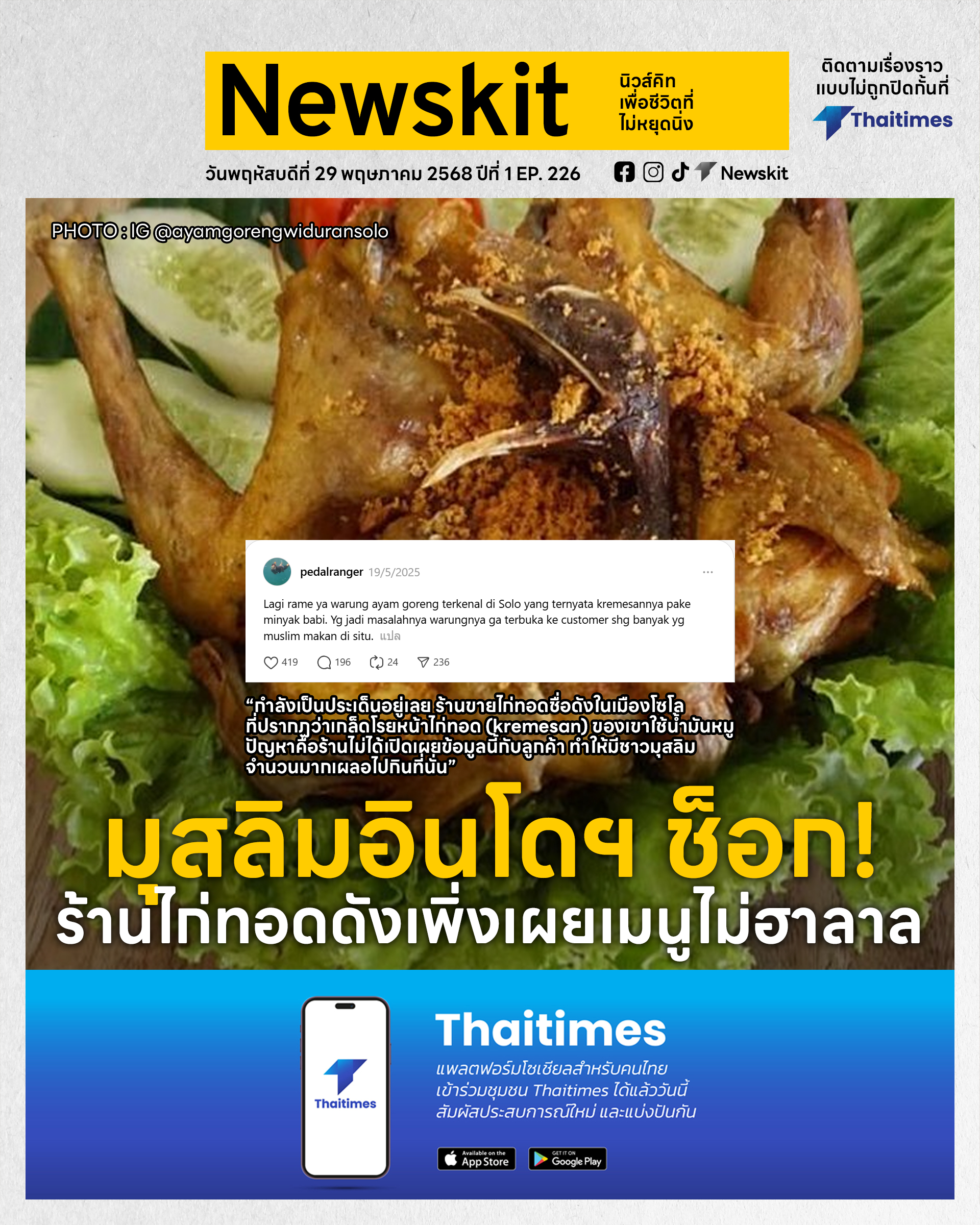
    0 Comments 0 Shares 2454 Views 0 Reviews
  • 10 Conversational Tips That Take The Stress Out Of Small Talk

    We’ve all been there: you’re at a party and trying to find an “in” to start an engaging conversation with someone you just met. Or, maybe it’s a professional conference, and you want to make an impression on a new contact you’d love to have in your network. You want to say the right thing, but your mind feels blank, like you’ve completely forgotten how to communicate with other human beings.

    Making small talk is a skill, and it’s not easy, but the good news is that there’s always time to learn. Think about the conversations you have with the people you like and know well. When talking with these people, you likely practice good conversational skills without even realizing it, like:

    Listening attentively.
    Being present.
    Trying not to repeat yourself.
    Showing interest.
    Going with the flow.

    The trick to making great small talk is to find ways to call upon those same friendly conversational skills, even when you’re speaking with someone you don’t know well, in a brand-new environment, or in an awkward or high-pressure situation. How do you do that? We’ve got your back. Here are 10 tips to improve your small talk game and make it look easy.

    1. Start with an introduction. Sometimes the best way to break the ice is simply to introduce yourself.

    “Hi, I’m Pete, the groom’s brother. How do you know the couple?”
    “I’m Allison Smith, the head of sales at Office Corp. What company are you representing?”
    “My name’s Lupita. I’m in the theater program here at NYU. What’s your major?”
    It seems easy, but you’d be surprised how quickly people can forget a simple introduction when they’re fumbling for the best thing to say. If you start with your name and some information related to the event or something you might have in common, you create opportunities to learn something about them, which can help you launch effortlessly into a longer conversation.

    2. Have some topics in the bank.

    It’s easy for your mind to go blank when you’re asked a question about yourself or trying to pull topics out of thin air, so make sure you always show up prepared. Think of three to five interesting things you’ve done recently that might make good conversation starters, such as:

    A new restaurant you’ve tried.
    A book you loved.
    A movie you’re really excited about.
    The last trip you took.
    What you did over the weekend.
    Your most recent professional development opportunity.
    Your favorite hobby.
    The unique origins of pasta names. (Well, we like dictionary talk …)
    While you’re at it, brush up on current events that might be interesting to discuss. If you’re attending a work event, make sure you’re up-to-date on the latest industry news and goings-on at your company.

    3. Use open-ended questions.

    Asking a “yes or no” question is one of the fastest ways to kill a conversation because it doesn’t give you anything to build on. Instead, try to ask open-ended questions. These are questions that can’t be answered with a single word, and that means the other person has to expand on what they’re saying, giving you plenty of opportunities to latch onto something they say and keep the words flowing.

    4. Agree, then add something.

    If you’re at an event and someone makes an observation about your surroundings, the host, or even something totally unrelated, go with it. Their statement can be a good opportunity to add your own observations, establish a connection, and move forward into a conversation. First, affirm what they’ve said, then add your own take, and follow it up with an open-ended question that leaves room to move to a new topic. Here’s how it might look in action:

    Them: “This signature cocktail is pretty good, huh?”
    You: “It is. It really complements the appetizers. Have you tried them yet?”

    If you don’t happen to agree with what they’ve said, that’s okay! You can still politely acknowledge it and forge ahead.

    Them: “This signature cocktail is pretty good, huh?”
    You: “It’s very unique. My attention has been on the appetizers. Have you tried them yet?”

    5. Be complimentary.

    If you want to seem friendly and approachable, find nice things to say about others. (We happen to have some helpful synonyms for the word nice and tips for delivering sincere compliments.) People are more likely to be drawn to you if you’re open about pointing out how funny something they said was, how much you admire their sense of style, or how interested you are in their work. Compliments can also be a way to begin a conversation. Try something like this:

    “I just had to tell you, I love that tie! It’s so bold. I’m Eric, by the way. What’s your name?”
    “Dr. Stein, I’m Lexi Jones. I’m so thrilled to meet you. Your book was fascinating. Are you studying anything new?”
    “I’m Shawn. My sister said you’re an amazing artist. I’m so glad we ended up at the same table. Tell me about your work.”

    6. Let them teach you something.

    No one is an expert on every topic. If they mention something you don’t know much about, don’t let the conversation die there. Use it as an opportunity for conversation. People love to talk about themselves and things they’re passionate about, so express your curiosity and allow them to share more knowledge with you. Here are some ideas for how to do this:

    “I’ve never been fly-fishing before. What is it like?”
    “I’m not familiar with that program yet. Is it difficult to learn?”
    “I’ve been meaning to check out that band. Which album should I start with?”

    7. Use the ARE method.

    If you’re the kind of person who wishes there was an easy equation for small talk, we have good news. Some psychologists recommend the ARE method. ARE stands for anchor, reveal, and encourage.

    First, anchor yourself and the other person in the moment by making an observation about your shared location or experience. Next, reveal something about yourself in relation to the anchor, like how it makes you feel, something you’ve noticed, or something you’re interested in or excited about. Lastly, encourage participation from the other person by asking a related question. It will look like this:

    Anchor: “There are so many new faces at the conference this year.”
    Reveal: “I’m really inspired by all of the talent here.”
    Encourage: “Have you met anyone interesting so far?”

    8. Be real with it.

    If you’re feeling rusty at small talk, guess what? You are not alone. Most people struggle with talking to and getting to know new people, and it’s okay to admit that it’s hard. If you express that you’re not very good at small talk or feeling nervous in the situation, many people will find this relatable and it can start the conversation—which is the goal! It can be as simple as saying something like:

    “I’m terrible at small talk, but I’m really interested in speaking with you.”
    “I apologize in advance for any awkwardness. Small talk isn’t my strong suit, but I’m really curious about your work.”
    “Nothing like trying to make small talk with a table full of strangers, huh? How’s your night going?”

    9. Have an exit strategy.

    Sometimes you just need to get away. That’s okay. Making a smooth exit is also a part of being skilled at small talk. You could excuse yourself to the restroom or the buffet, but the easiest way to get out of a conversation is to be polite and direct. Let them know you enjoyed speaking with them and that you’re going to direct your attention to something else now.

    “It was lovely meeting you. I’m going to refresh my drink and check in with the host.”
    “Excuse me, but I just saw someone I need to speak with. It was nice chatting with you.”
    “I’m so glad we met. I hope to run into you again later on.”

    10. Practice often.

    For many of us, hating small talk also means avoiding it at all costs. The only problem is, this makes small talk harder when it can’t be avoided. Instead of fleeing from every situation that might require you to banter with strangers, try to see those as opportunities for more practice.

    Most small talk conversations have fairly low stakes. Practice introducing yourself, asking a few questions about the other person, and politely excusing yourself after a few moments. Before you know it, you’ll be a pro, and awkward silences will be a thing of the past.

    Copyright 2024, AAKKHRA, All Rights Reserved.

    10 Conversational Tips That Take The Stress Out Of Small Talk We’ve all been there: you’re at a party and trying to find an “in” to start an engaging conversation with someone you just met. Or, maybe it’s a professional conference, and you want to make an impression on a new contact you’d love to have in your network. You want to say the right thing, but your mind feels blank, like you’ve completely forgotten how to communicate with other human beings. Making small talk is a skill, and it’s not easy, but the good news is that there’s always time to learn. Think about the conversations you have with the people you like and know well. When talking with these people, you likely practice good conversational skills without even realizing it, like: Listening attentively. Being present. Trying not to repeat yourself. Showing interest. Going with the flow. The trick to making great small talk is to find ways to call upon those same friendly conversational skills, even when you’re speaking with someone you don’t know well, in a brand-new environment, or in an awkward or high-pressure situation. How do you do that? We’ve got your back. Here are 10 tips to improve your small talk game and make it look easy. 1. Start with an introduction. Sometimes the best way to break the ice is simply to introduce yourself. “Hi, I’m Pete, the groom’s brother. How do you know the couple?” “I’m Allison Smith, the head of sales at Office Corp. What company are you representing?” “My name’s Lupita. I’m in the theater program here at NYU. What’s your major?” It seems easy, but you’d be surprised how quickly people can forget a simple introduction when they’re fumbling for the best thing to say. If you start with your name and some information related to the event or something you might have in common, you create opportunities to learn something about them, which can help you launch effortlessly into a longer conversation. 2. Have some topics in the bank. It’s easy for your mind to go blank when you’re asked a question about yourself or trying to pull topics out of thin air, so make sure you always show up prepared. Think of three to five interesting things you’ve done recently that might make good conversation starters, such as: A new restaurant you’ve tried. A book you loved. A movie you’re really excited about. The last trip you took. What you did over the weekend. Your most recent professional development opportunity. Your favorite hobby. The unique origins of pasta names. (Well, we like dictionary talk …) While you’re at it, brush up on current events that might be interesting to discuss. If you’re attending a work event, make sure you’re up-to-date on the latest industry news and goings-on at your company. 3. Use open-ended questions. Asking a “yes or no” question is one of the fastest ways to kill a conversation because it doesn’t give you anything to build on. Instead, try to ask open-ended questions. These are questions that can’t be answered with a single word, and that means the other person has to expand on what they’re saying, giving you plenty of opportunities to latch onto something they say and keep the words flowing. 4. Agree, then add something. If you’re at an event and someone makes an observation about your surroundings, the host, or even something totally unrelated, go with it. Their statement can be a good opportunity to add your own observations, establish a connection, and move forward into a conversation. First, affirm what they’ve said, then add your own take, and follow it up with an open-ended question that leaves room to move to a new topic. Here’s how it might look in action: Them: “This signature cocktail is pretty good, huh?” You: “It is. It really complements the appetizers. Have you tried them yet?” If you don’t happen to agree with what they’ve said, that’s okay! You can still politely acknowledge it and forge ahead. Them: “This signature cocktail is pretty good, huh?” You: “It’s very unique. My attention has been on the appetizers. Have you tried them yet?” 5. Be complimentary. If you want to seem friendly and approachable, find nice things to say about others. (We happen to have some helpful synonyms for the word nice and tips for delivering sincere compliments.) People are more likely to be drawn to you if you’re open about pointing out how funny something they said was, how much you admire their sense of style, or how interested you are in their work. Compliments can also be a way to begin a conversation. Try something like this: “I just had to tell you, I love that tie! It’s so bold. I’m Eric, by the way. What’s your name?” “Dr. Stein, I’m Lexi Jones. I’m so thrilled to meet you. Your book was fascinating. Are you studying anything new?” “I’m Shawn. My sister said you’re an amazing artist. I’m so glad we ended up at the same table. Tell me about your work.” 6. Let them teach you something. No one is an expert on every topic. If they mention something you don’t know much about, don’t let the conversation die there. Use it as an opportunity for conversation. People love to talk about themselves and things they’re passionate about, so express your curiosity and allow them to share more knowledge with you. Here are some ideas for how to do this: “I’ve never been fly-fishing before. What is it like?” “I’m not familiar with that program yet. Is it difficult to learn?” “I’ve been meaning to check out that band. Which album should I start with?” 7. Use the ARE method. If you’re the kind of person who wishes there was an easy equation for small talk, we have good news. Some psychologists recommend the ARE method. ARE stands for anchor, reveal, and encourage. First, anchor yourself and the other person in the moment by making an observation about your shared location or experience. Next, reveal something about yourself in relation to the anchor, like how it makes you feel, something you’ve noticed, or something you’re interested in or excited about. Lastly, encourage participation from the other person by asking a related question. It will look like this: Anchor: “There are so many new faces at the conference this year.” Reveal: “I’m really inspired by all of the talent here.” Encourage: “Have you met anyone interesting so far?” 8. Be real with it. If you’re feeling rusty at small talk, guess what? You are not alone. Most people struggle with talking to and getting to know new people, and it’s okay to admit that it’s hard. If you express that you’re not very good at small talk or feeling nervous in the situation, many people will find this relatable and it can start the conversation—which is the goal! It can be as simple as saying something like: “I’m terrible at small talk, but I’m really interested in speaking with you.” “I apologize in advance for any awkwardness. Small talk isn’t my strong suit, but I’m really curious about your work.” “Nothing like trying to make small talk with a table full of strangers, huh? How’s your night going?” 9. Have an exit strategy. Sometimes you just need to get away. That’s okay. Making a smooth exit is also a part of being skilled at small talk. You could excuse yourself to the restroom or the buffet, but the easiest way to get out of a conversation is to be polite and direct. Let them know you enjoyed speaking with them and that you’re going to direct your attention to something else now. “It was lovely meeting you. I’m going to refresh my drink and check in with the host.” “Excuse me, but I just saw someone I need to speak with. It was nice chatting with you.” “I’m so glad we met. I hope to run into you again later on.” 10. Practice often. For many of us, hating small talk also means avoiding it at all costs. The only problem is, this makes small talk harder when it can’t be avoided. Instead of fleeing from every situation that might require you to banter with strangers, try to see those as opportunities for more practice. Most small talk conversations have fairly low stakes. Practice introducing yourself, asking a few questions about the other person, and politely excusing yourself after a few moments. Before you know it, you’ll be a pro, and awkward silences will be a thing of the past. Copyright 2024, AAKKHRA, All Rights Reserved.
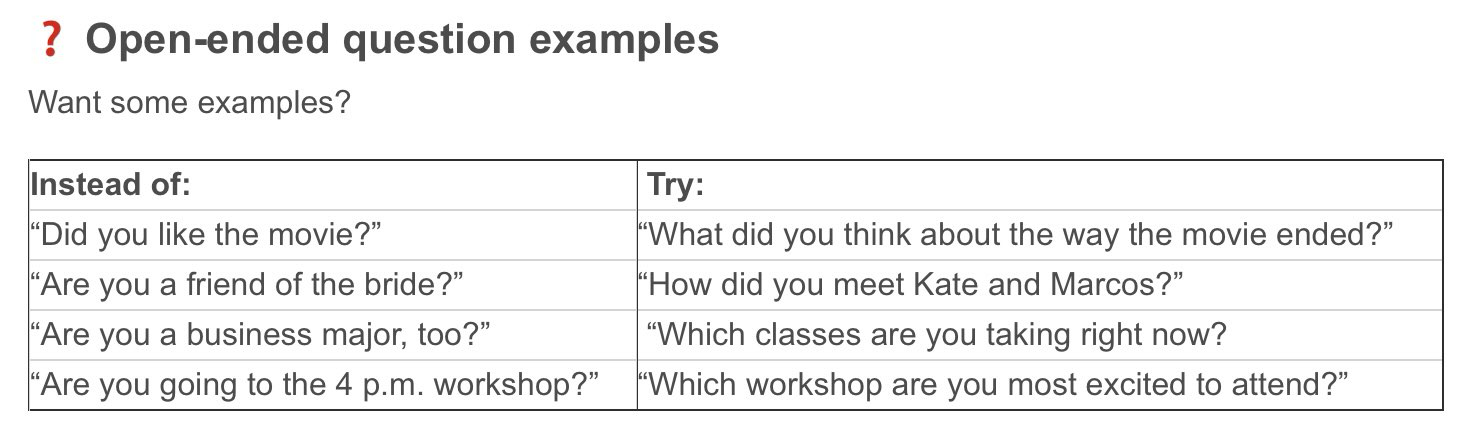
    0 Comments 0 Shares 1972 Views 0 Reviews
  • Ready To Make Small Talk? Here Are 10 Different Kinds To Try!

    If the term small talk sends a pang of dread shooting through your chest, you aren’t alone. That very word may have you picturing yourself stranded with a group of strangers, desperately trying to think of questions to ask while everyone stares at you awkwardly. Luckily, small talk doesn’t have to be that way. There are plenty of ways to improve your small talk skills. It also helps to remember that different situations call for different kinds of small talk. Small talk can be used to connect with old friends, make new ones, banter with potential dates, and network with clients and connections. Here’s a guide to the many different kinds of small talk and some fun facts about each type. Think of this as a cheat sheet you can carry with you into your next great conversation!

    chitchat

    If you’ve ever made “light conversation, casual talk, or gossip” with someone, then you’ve engaged in chitchat. It’s a form of small talk that might occur between acquaintances and usually doesn’t delve into heavy or serious topics. People have been chitchatting for a lot longer than you might think. The word is a duplicate form of chat that’s been in use in English since the early 1700s.

    table talk

    Table talk is called that because, well, it happens most often at a table. Defined as “informal conversation at meals,” table talk is what you might expect at a dinner party or an after-work happy hour meetup. Sometimes it can take a turn for the serious (see: awkward family dinners during Thanksgiving), but topics are usually lighthearted and meant to keep guests engaged. The phrase table talk has been in use since the mid-1500s.

    exchanging pleasantries

    If you don’t know someone well, the first step to talking with them is exchanging pleasantries. A pleasantry is “a courteous social remark used to initiate or facilitate a conversation,” such as complimenting the decor at a new acquaintance’s house or commenting on the weather as you and a new neighbor both check your mailboxes. The word pleasantry has been in use in English since the 1600s.

    shooting the breeze

    To shoot the breeze means “to talk idly, chat.” The word breeze sometimes means “an easy task; something done or carried on without difficulty.” In this sense, you can think of shooting the breeze as engaging in easy conversation, like the ones had when lounging around at a party or other relaxed gathering. This phrase may have originated as a variant of shooting the bull, in which bull means “empty talk or lies.” Shooting the breeze has been in use in English since at least 1919.

    causerie

    Causerie sounds like it might refer to something formal or serious, but it actually means “an informal talk or chat.” You might engage in a causerie while gathered around the buffet table or mingling with other attendees at a conference. First recorded in the 1820s, causerie comes from the French causer, meaning “to chat.”

    chinwag

    If you wish to “chat idly or gossip” with an acquaintance, you might pop by for a chinwag. Chinwag is a 19th-century word that is likely borrowed from British English, though the exact origins of the phrase are unknown. Chinwag likely refers to the physical act of talking, as in the way a chin wags, or “moves from side to side or up and down” when one speaks. Chinwagging is something you can do with a friend or with people you don’t know well.

    schmoozing

    Schmoozing is the kind of small talk that often happens when people are trying to make connections. It means “idle conversation; chatter,” but it’s often used to describe situations in which that idle chatter is intended to help you get “in” with a certain person or group. You might schmooze with the boss at the holiday party or schmooze with the other PTA parents you’re trying to get to know. The word schmooze is an Americanism, but it has roots in Yiddish. The verb schmues, from the Hebrew shəmūʿōth, means “reports, gossip.”

    persiflage

    The kind of frivolous, easy small talk you might make at a party can also be called persiflage. This word, meaning “light, bantering talk or writing,” comes from the French persifler, meaning “to banter” or “to tease.” Persiflage, then, describes small talk that is fun. It might include jokes, witticisms, and clever repartee. Who knows? You might even end up with a new friend. The word persiflage was first recorded in English in the 1750s.

    banter

    Banter is “an exchange of light, playful, teasing remarks; good-natured raillery.” It’s what can happen when small talk is going well. Often, you might engage in banter with a new acquaintance with whom you get along particularly well. Banter might also be the preferred type of small talk on a first date or when you’re really connecting with someone new on a dating app. The origin of the word banter is unknown, but English speakers have been using it since at least the 1660s.

    gossip

    Gossip technically counts as a form of small talk, but proceed with caution: depending on the subject of the gossip, this one could land you in hot water. Gossip is defined as “idle talk or rumor, especially about the personal or private affairs of others,” and the concept has been around for a very long time. First recorded before 1050, gossip can be traced to the Old English godsibb, a term that initially meant “godparent,” but later came to be applied to familiar friends, especially a woman’s female friends. This is likely due to the outdated belief that women were more fond of “light talk” or gossip.

    Copyright 2024, AAKKHRA, All Rights Reserved.
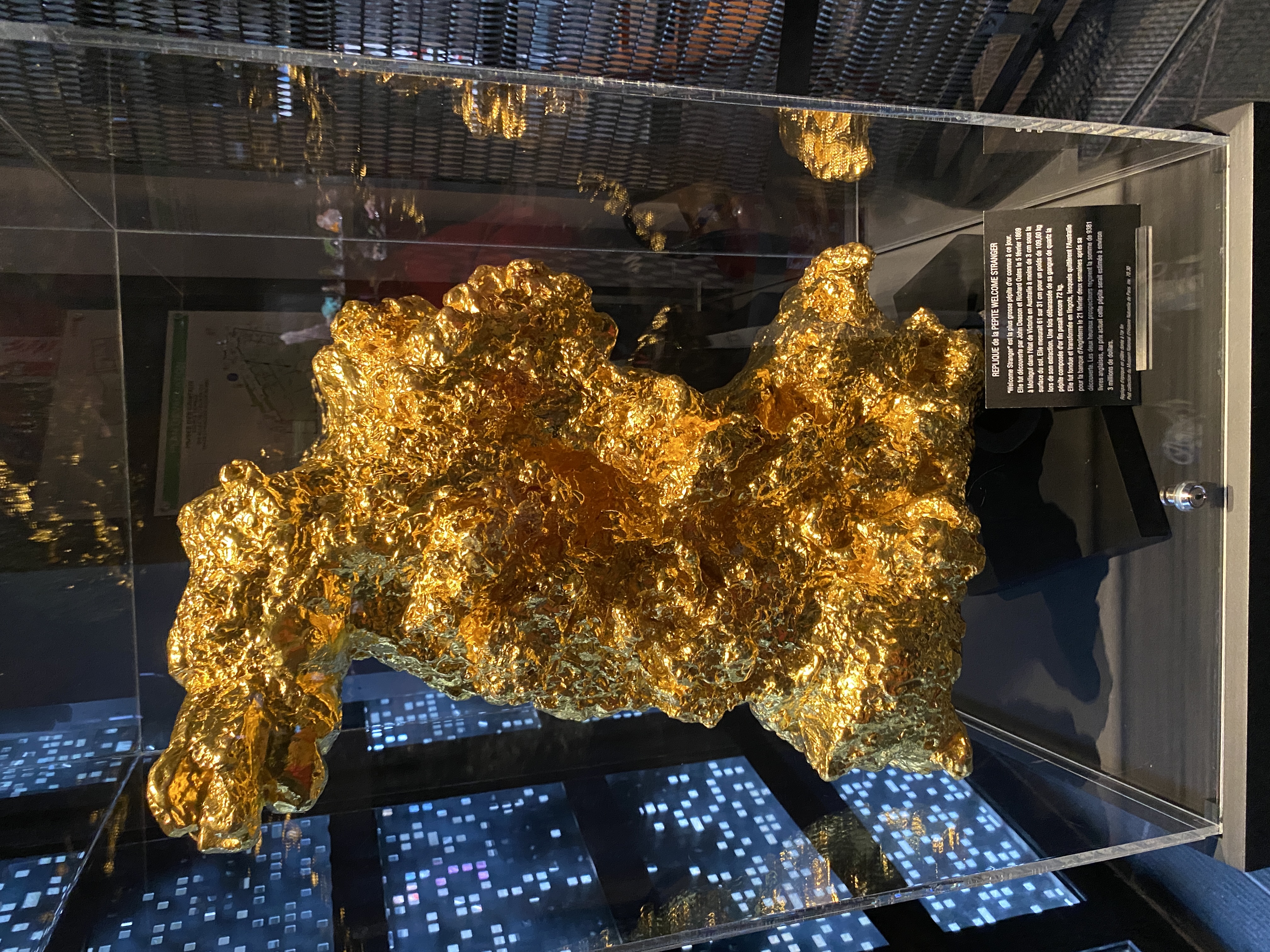
    Ready To Make Small Talk? Here Are 10 Different Kinds To Try! If the term small talk sends a pang of dread shooting through your chest, you aren’t alone. That very word may have you picturing yourself stranded with a group of strangers, desperately trying to think of questions to ask while everyone stares at you awkwardly. Luckily, small talk doesn’t have to be that way. There are plenty of ways to improve your small talk skills. It also helps to remember that different situations call for different kinds of small talk. Small talk can be used to connect with old friends, make new ones, banter with potential dates, and network with clients and connections. Here’s a guide to the many different kinds of small talk and some fun facts about each type. Think of this as a cheat sheet you can carry with you into your next great conversation! chitchat If you’ve ever made “light conversation, casual talk, or gossip” with someone, then you’ve engaged in chitchat. It’s a form of small talk that might occur between acquaintances and usually doesn’t delve into heavy or serious topics. People have been chitchatting for a lot longer than you might think. The word is a duplicate form of chat that’s been in use in English since the early 1700s. table talk Table talk is called that because, well, it happens most often at a table. Defined as “informal conversation at meals,” table talk is what you might expect at a dinner party or an after-work happy hour meetup. Sometimes it can take a turn for the serious (see: awkward family dinners during Thanksgiving), but topics are usually lighthearted and meant to keep guests engaged. The phrase table talk has been in use since the mid-1500s. exchanging pleasantries If you don’t know someone well, the first step to talking with them is exchanging pleasantries. A pleasantry is “a courteous social remark used to initiate or facilitate a conversation,” such as complimenting the decor at a new acquaintance’s house or commenting on the weather as you and a new neighbor both check your mailboxes. The word pleasantry has been in use in English since the 1600s. shooting the breeze To shoot the breeze means “to talk idly, chat.” The word breeze sometimes means “an easy task; something done or carried on without difficulty.” In this sense, you can think of shooting the breeze as engaging in easy conversation, like the ones had when lounging around at a party or other relaxed gathering. This phrase may have originated as a variant of shooting the bull, in which bull means “empty talk or lies.” Shooting the breeze has been in use in English since at least 1919. causerie Causerie sounds like it might refer to something formal or serious, but it actually means “an informal talk or chat.” You might engage in a causerie while gathered around the buffet table or mingling with other attendees at a conference. First recorded in the 1820s, causerie comes from the French causer, meaning “to chat.” chinwag If you wish to “chat idly or gossip” with an acquaintance, you might pop by for a chinwag. Chinwag is a 19th-century word that is likely borrowed from British English, though the exact origins of the phrase are unknown. Chinwag likely refers to the physical act of talking, as in the way a chin wags, or “moves from side to side or up and down” when one speaks. Chinwagging is something you can do with a friend or with people you don’t know well. schmoozing Schmoozing is the kind of small talk that often happens when people are trying to make connections. It means “idle conversation; chatter,” but it’s often used to describe situations in which that idle chatter is intended to help you get “in” with a certain person or group. You might schmooze with the boss at the holiday party or schmooze with the other PTA parents you’re trying to get to know. The word schmooze is an Americanism, but it has roots in Yiddish. The verb schmues, from the Hebrew shəmūʿōth, means “reports, gossip.” persiflage The kind of frivolous, easy small talk you might make at a party can also be called persiflage. This word, meaning “light, bantering talk or writing,” comes from the French persifler, meaning “to banter” or “to tease.” Persiflage, then, describes small talk that is fun. It might include jokes, witticisms, and clever repartee. Who knows? You might even end up with a new friend. The word persiflage was first recorded in English in the 1750s. banter Banter is “an exchange of light, playful, teasing remarks; good-natured raillery.” It’s what can happen when small talk is going well. Often, you might engage in banter with a new acquaintance with whom you get along particularly well. Banter might also be the preferred type of small talk on a first date or when you’re really connecting with someone new on a dating app. The origin of the word banter is unknown, but English speakers have been using it since at least the 1660s. gossip Gossip technically counts as a form of small talk, but proceed with caution: depending on the subject of the gossip, this one could land you in hot water. Gossip is defined as “idle talk or rumor, especially about the personal or private affairs of others,” and the concept has been around for a very long time. First recorded before 1050, gossip can be traced to the Old English godsibb, a term that initially meant “godparent,” but later came to be applied to familiar friends, especially a woman’s female friends. This is likely due to the outdated belief that women were more fond of “light talk” or gossip. Copyright 2024, AAKKHRA, All Rights Reserved.
    0 Comments 0 Shares 1325 Views 0 Reviews
  • “Disaster” Synonyms For When Things Don’t Go As Planned

    Most of the time, we like to keep things positive around here and provide you with plenty of inspiring, motivational words to brighten up your day. This … this is not that list.

    Are you done setting intentions? Are you through repeating mantras into the mirror? Do you just need a perfectly wretched word to capture what’s not working right now? Then this is the list for you. We’ve traveled through hell and goat rodeos to bring you the words that will describe the snafus and fiascos of your life or the world around you.

    If your desperate times call for desperate words, here are 20 provocative synonyms for the word disaster and some example sentences to inspire use.

    apocalypse

    We begin our list with a disaster of Biblical proportions. The word apocalypse originally comes from the Greek apokálypsis, meaning “revelation.” Since at least the 1100s, the word apocalypse has been used to refer to the Book of Revelation in the Christian Bible, which tells how the world will be nearly destroyed when good finally defeats evil. Today, the word apocalypse is often used generally (and ominously) to refer to a doomsday-level scenario.

    Example: You’d think, by the mess in the kitchen, that we were witnessing a true apocalypse.

    bloodbath

    The word bloodbath is often used to describe violent slaughters or massacres. The word creates the mental image of a carnage so intense that someone could take a bath in the spilled blood. Figuratively, though, bloodbath is used to describe disastrous events or severe instances of bad fortune. While this word came to English in the 1800s, a similar term, blodbad (literally “bath in blood”), was recorded in the 1500s in Swedish.

    Example: If our star player can’t play, the opening game is going to be a bloodbath.

    cataclysm

    Cataclysm is a word so disastrous that it rocks the entire Earth to its core. The word cataclysm means “a violent upheaval” and is used in geography to refer to violent events that manage to alter the surface of Earth. This is the word you need if you want to literally or figuratively describe something as earth-shaking.

    Example: Barring an unforeseen cataclysm, this family is finally going on vacation this summer.

    fiasco

    The word fiasco means “a complete and ignominious failure” and has a bit of a strange history. Fiasco is an Italian word that literally translates to “bottle,” and it is related to the word flask. The English meaning of “failure” comes from the Italian idiom fare fiasco which means “to fail” (though it literally translates to “make a bottle”).

    Example: My spouse somehow managed to salvage the dessert fiasco I haphazardly concocted.

    bouleversement

    We go from a strange Italian word to an even stranger (or at least longer) French one. The word bouleversement means “an overturning” or “turmoil.” This is the one you want if you really need to bring out the twenty-dollar word.

    Example: The rebel leader said that the country would emerge from the bouleversement stronger than it had ever been.

    calamity

    Get the tissues ready, because our next word is calamity. Calamity is a synonym of disaster, but it indicates that a horrific event specifically caused misery and lots of tears—so, like a dentist appointment?

    Example: I’ve been beset with calamity after calamity since the pandemic started, and I’m losing it.

    catastrophe

    Catastrophe is a synonym that can highlight the destruction and loss brought about by a tremendous event. If nothing is left standing or a disaster will continue to cause pain and suffering for the foreseeable future, we might label it a catastrophe.

    Example: Did you see the bathroom after the pipe burst? What a catastrophe!

    pandemonium

    Things have gone to hell in a hand basket thanks to our next word: pandemonium. Pandemonium refers to a wild state of disorder, noise, and chaos. This disastrous word actually comes from Pandaemonium, the name that John Milton used for the capital of hell in Paradise Lost.

    Example: The muddy dogs tore through the living room, knocking over two lamps, and pandemonium ensued.

    debacle

    The word debacle is one of several that implies a failure was caused by failure or incompetence, especially ones that result from disorganization. Its original meaning in the 1800s, however, referred to a “breaking up of ice in a river” or rush of water “which breaks down opposing barriers, and carries before it blocks of stone and other debris.” That does sound like a mess.

    Example: With half the students out sick, the class performance devolved into a total debacle.

    blunder

    The word blunder is a synonym of the word mistake and is often used to describe an error resulting from severe incompetence or stupidity. Unlike most of the other words on this list, blunder can also be used as a verb (“to make a careless or stupid mistake”).

    Example: The clumsy waiter spilled wine on the mayor and was later fired for this horrible blunder.

    epic fail

    LOL! The slang term epic fail is used to describe particularly humiliating mistakes. Our disastrous list of words has been bad so far, but epic fail might just be the worst of the bunch. Why? Because this is the phrase to use when that embarrassing mistake has been broadcast on social media! (And once that happens, only an especially clever cat meme can save you.)

    Example: ROFL My brother just fell into the pool! #epicfail

    meltdown

    With our next word, our disaster has just gone nuclear. Meltdown is a word used to refer to severe nuclear reactor accidents. It’s figuratively used to describe sudden situations that quickly spiral out of control.

    Example: The guitarist’s meltdown surprised no one, given tensions have been high between band members.

    kick in the teeth

    Ouch! The idiom kick in the teeth refers to a sudden and humiliating setback. Why a kick? In the English language, slang phrases like kick in the head and kick in the pants rely on the image of a kick (instead of punches) to describe particularly humiliating blows.

    Example: The terrible reviews were a real kick in the teeth for the young Broadway star.

    goat rodeo

    Giddyup, cowboys and cowgirls, because it’s time to wrangle some … goats? Goat rodeo is an example of one of several goat-related slang terms for monumental screwups. A relatively new term from the 2000s, it creates a good mental image of a wild rodeo full of screaming goats. You may have heard the term goat-roping (used similarly) and other more obscene versions, but goat rodeo is considered the most extreme of all. We repeat, a goat rodeo is as disastrous as a situation can get.

    Example: This is no concert. It’s a goat rodeo of drunk performers and technical difficulties!

    dog’s breakfast

    This list has really gone to the dogs. The slang term dog’s breakfast, mainly used in Canada and the UK, describes a confused, disorderly mess. The phrase most likely refers to the fact that many dogs will eat pretty much anything you put in front of them. In any case, dog’s breakfast is a fun word to use when everything has gone to “Shih Tzu.”

    Example: The drive was an absolute dog’s breakfast. We arrived two hours late after being stuck in traffic and getting lost.

    disarray

    Disarray describes a situation that is especially chaotic, disorganized, or marred by confusion. Disarray is a word you can use when you’ve got a disorderly mess or a comedy of errors on your hands.

    Example: Hyped up on cake and sugar, the children left the room in a state of total disarray.

    turmoil

    Turmoil is another word to convey that you’re in the midst of great confusion or disorder. Fittingly, we are not actually sure where this verb-turned-noun originates from.

    Example: Without enough employees to cover the day’s shift, the company was thrown into turmoil.

    dumpster fire

    The slang term dumpster fire means something is so disastrously bad it is beyond all hope of saving. Often, the dumpster fire is result of terribly bad decisions or extraordinary levels of incompetence. It’s best to stay the heck away from a dumpster fire because, as its name implies, it is likely to just keep getting worse.

    Example: The movie was a complete dumpster fire that didn’t get a single positive review.

    shitshow

    The not-very-nice word shitshow is used to describe essentially the same situation as a dumpster fire: a mess that is completely unsalvageable. To go the extra mile, shitshow throws in a swear word to capture the magnitude of a truly unbelievable disaster.

    Example: Last year was a real shitshow but I’m hoping things turn around soon.

    snafu and fubar

    It might be time for reinforcements. Snafu and fubar are two abbreviations that can be traced back to military jargon and have some … colorful meanings. Snafu stands for “situation normal: all f–ed up” and fubar stands for “f–ed up beyond all reason.” Now fix the disaster, cadet, and then drop and give us twenty!

    Example: The trip started with a series of major snafus, like when the luggage arrived in the wrong city.

    Copyright 2024, XAKKHRA, All Rights Reserved.

    “Disaster” Synonyms For When Things Don’t Go As Planned Most of the time, we like to keep things positive around here and provide you with plenty of inspiring, motivational words to brighten up your day. This … this is not that list. Are you done setting intentions? Are you through repeating mantras into the mirror? Do you just need a perfectly wretched word to capture what’s not working right now? Then this is the list for you. We’ve traveled through hell and goat rodeos to bring you the words that will describe the snafus and fiascos of your life or the world around you. If your desperate times call for desperate words, here are 20 provocative synonyms for the word disaster and some example sentences to inspire use. apocalypse We begin our list with a disaster of Biblical proportions. The word apocalypse originally comes from the Greek apokálypsis, meaning “revelation.” Since at least the 1100s, the word apocalypse has been used to refer to the Book of Revelation in the Christian Bible, which tells how the world will be nearly destroyed when good finally defeats evil. Today, the word apocalypse is often used generally (and ominously) to refer to a doomsday-level scenario. Example: You’d think, by the mess in the kitchen, that we were witnessing a true apocalypse. bloodbath The word bloodbath is often used to describe violent slaughters or massacres. The word creates the mental image of a carnage so intense that someone could take a bath in the spilled blood. Figuratively, though, bloodbath is used to describe disastrous events or severe instances of bad fortune. While this word came to English in the 1800s, a similar term, blodbad (literally “bath in blood”), was recorded in the 1500s in Swedish. Example: If our star player can’t play, the opening game is going to be a bloodbath. cataclysm Cataclysm is a word so disastrous that it rocks the entire Earth to its core. The word cataclysm means “a violent upheaval” and is used in geography to refer to violent events that manage to alter the surface of Earth. This is the word you need if you want to literally or figuratively describe something as earth-shaking. Example: Barring an unforeseen cataclysm, this family is finally going on vacation this summer. fiasco The word fiasco means “a complete and ignominious failure” and has a bit of a strange history. Fiasco is an Italian word that literally translates to “bottle,” and it is related to the word flask. The English meaning of “failure” comes from the Italian idiom fare fiasco which means “to fail” (though it literally translates to “make a bottle”). Example: My spouse somehow managed to salvage the dessert fiasco I haphazardly concocted. bouleversement We go from a strange Italian word to an even stranger (or at least longer) French one. The word bouleversement means “an overturning” or “turmoil.” This is the one you want if you really need to bring out the twenty-dollar word. Example: The rebel leader said that the country would emerge from the bouleversement stronger than it had ever been. calamity Get the tissues ready, because our next word is calamity. Calamity is a synonym of disaster, but it indicates that a horrific event specifically caused misery and lots of tears—so, like a dentist appointment? Example: I’ve been beset with calamity after calamity since the pandemic started, and I’m losing it. catastrophe Catastrophe is a synonym that can highlight the destruction and loss brought about by a tremendous event. If nothing is left standing or a disaster will continue to cause pain and suffering for the foreseeable future, we might label it a catastrophe. Example: Did you see the bathroom after the pipe burst? What a catastrophe! pandemonium Things have gone to hell in a hand basket thanks to our next word: pandemonium. Pandemonium refers to a wild state of disorder, noise, and chaos. This disastrous word actually comes from Pandaemonium, the name that John Milton used for the capital of hell in Paradise Lost. Example: The muddy dogs tore through the living room, knocking over two lamps, and pandemonium ensued. debacle The word debacle is one of several that implies a failure was caused by failure or incompetence, especially ones that result from disorganization. Its original meaning in the 1800s, however, referred to a “breaking up of ice in a river” or rush of water “which breaks down opposing barriers, and carries before it blocks of stone and other debris.” That does sound like a mess. Example: With half the students out sick, the class performance devolved into a total debacle. blunder The word blunder is a synonym of the word mistake and is often used to describe an error resulting from severe incompetence or stupidity. Unlike most of the other words on this list, blunder can also be used as a verb (“to make a careless or stupid mistake”). Example: The clumsy waiter spilled wine on the mayor and was later fired for this horrible blunder. epic fail LOL! The slang term epic fail is used to describe particularly humiliating mistakes. Our disastrous list of words has been bad so far, but epic fail might just be the worst of the bunch. Why? Because this is the phrase to use when that embarrassing mistake has been broadcast on social media! (And once that happens, only an especially clever cat meme can save you.) Example: ROFL My brother just fell into the pool! #epicfail meltdown With our next word, our disaster has just gone nuclear. Meltdown is a word used to refer to severe nuclear reactor accidents. It’s figuratively used to describe sudden situations that quickly spiral out of control. Example: The guitarist’s meltdown surprised no one, given tensions have been high between band members. kick in the teeth Ouch! The idiom kick in the teeth refers to a sudden and humiliating setback. Why a kick? In the English language, slang phrases like kick in the head and kick in the pants rely on the image of a kick (instead of punches) to describe particularly humiliating blows. Example: The terrible reviews were a real kick in the teeth for the young Broadway star. goat rodeo Giddyup, cowboys and cowgirls, because it’s time to wrangle some … goats? Goat rodeo is an example of one of several goat-related slang terms for monumental screwups. A relatively new term from the 2000s, it creates a good mental image of a wild rodeo full of screaming goats. You may have heard the term goat-roping (used similarly) and other more obscene versions, but goat rodeo is considered the most extreme of all. We repeat, a goat rodeo is as disastrous as a situation can get. Example: This is no concert. It’s a goat rodeo of drunk performers and technical difficulties! dog’s breakfast This list has really gone to the dogs. The slang term dog’s breakfast, mainly used in Canada and the UK, describes a confused, disorderly mess. The phrase most likely refers to the fact that many dogs will eat pretty much anything you put in front of them. In any case, dog’s breakfast is a fun word to use when everything has gone to “Shih Tzu.” Example: The drive was an absolute dog’s breakfast. We arrived two hours late after being stuck in traffic and getting lost. disarray Disarray describes a situation that is especially chaotic, disorganized, or marred by confusion. Disarray is a word you can use when you’ve got a disorderly mess or a comedy of errors on your hands. Example: Hyped up on cake and sugar, the children left the room in a state of total disarray. turmoil Turmoil is another word to convey that you’re in the midst of great confusion or disorder. Fittingly, we are not actually sure where this verb-turned-noun originates from. Example: Without enough employees to cover the day’s shift, the company was thrown into turmoil. dumpster fire The slang term dumpster fire means something is so disastrously bad it is beyond all hope of saving. Often, the dumpster fire is result of terribly bad decisions or extraordinary levels of incompetence. It’s best to stay the heck away from a dumpster fire because, as its name implies, it is likely to just keep getting worse. Example: The movie was a complete dumpster fire that didn’t get a single positive review. shitshow The not-very-nice word shitshow is used to describe essentially the same situation as a dumpster fire: a mess that is completely unsalvageable. To go the extra mile, shitshow throws in a swear word to capture the magnitude of a truly unbelievable disaster. Example: Last year was a real shitshow but I’m hoping things turn around soon. snafu and fubar It might be time for reinforcements. Snafu and fubar are two abbreviations that can be traced back to military jargon and have some … colorful meanings. Snafu stands for “situation normal: all f–ed up” and fubar stands for “f–ed up beyond all reason.” Now fix the disaster, cadet, and then drop and give us twenty! Example: The trip started with a series of major snafus, like when the luggage arrived in the wrong city. Copyright 2024, XAKKHRA, All Rights Reserved.
    0 Comments 0 Shares 1891 Views 0 Reviews
  • หน่วยงาน FSB ของรัสเซีย เผยแพร่ภาพวิดีโออาวุธประเภทต่างๆที่เป็นของศัตรู ที่พยายามบุกรุกพรมแดนรัฐรัสเซียในภูมิภาค Bryansk

    นอกจากนี้ FSB ยังแสดงภาพทหารที่เสียชีวิตพร้อมรอยสักของทหารพรานที่ 75 แห่งกองกำลังพิเศษสหรัฐ (Ranger)
    หน่วยงาน FSB ของรัสเซีย เผยแพร่ภาพวิดีโออาวุธประเภทต่างๆที่เป็นของศัตรู ที่พยายามบุกรุกพรมแดนรัฐรัสเซียในภูมิภาค Bryansk นอกจากนี้ FSB ยังแสดงภาพทหารที่เสียชีวิตพร้อมรอยสักของทหารพรานที่ 75 แห่งกองกำลังพิเศษสหรัฐ (Ranger)
    0 Comments 0 Shares 514 Views 0 Reviews
  • Greek Words For Love That Will Make Your Heart Soar

    What is love? People have had a hard time answering that question for a lot longer than you might think. In Ancient Greece, love was a concept pondered over by some of history’s most famous philosophers, including Plato and Aristotle. Greek philosophers attempted to explain love rationally and often categorized the different kinds of love people could feel. Because we love them so much, we brought together some Greek words—and a Latin one, for good measure—for the different kinds of love you might find out there.


    eros
    Original Greek: ἔρως (érōs)

    Eros is physical love or sexual desire. Eros is the type of love that involves passion, lust, and/or romance.

    Examples of eros would be the love felt between, well, lovers. Eros is the sensual love between people who are sexually attracted to each other. In the Bible, eros was synonymous with “marital love” because husbands and wives were supposed to be the only people having sex. Eros was also the name of a love god in Greek mythology—better known by his Roman name, Cupid—and was the guy responsible for shooting magic arrows at people to make them fall in love.

    The word eros is still used in psychology today to refer to sexual desire or the libido. The words erotic and erogenous, which both have to do with sexual desire or arousal, are derived from eros.


    philia
    Original Greek: ϕιλία (philía)

    Philia is affectionate love. Philia is the type of love that involves friendship.

    Philia is the kind of love that strong friends feel toward each other. However, it doesn’t stop there. The Greek philosopher Plato thought that philia was an even greater love than eros and that the strongest loving relationships were ones where philia led to eros: a “friends become lovers” situation. Our concept of platonic love—love that isn’t based on physical attraction—comes from this Platonic philosophy.

    The word philia is related to the word philosophy through the combining form philo-. Philia itself is the source of the combining forms -philia, -phile, and -phily, all three of which are used to indicate a figurative love or affinity for something.


    agape
    Original Greek: ἀγάπη (agápē)

    Agape is often defined as unconditional, sacrificial love. Agape is the kind of love that is felt by a person willing to do anything for another, including sacrificing themselves, without expecting anything in return. Philosophically, agape has also been defined as the selfless love that a person feels for strangers and humanity as a whole. Agape is the love that allows heroic people to sacrifice themselves to save strangers they have never met.

    Did you know ... ?
    Agape is a major term in the Christian Bible, which is why it is often defined as “Christian love.” In the New Testament, agape is the word used to describe the love that God has for humanity and the love humanity has for God. Agape was also the love that Jesus Christ felt for humanity, which explains why he was willing to sacrifice himself.


    storge
    Original Greek: στοργή (storgé)

    Storge is familial love. Storge is the natural love that family members have for one another.

    Of all of the types of love, storge might be the easiest to understand. It is the type of love that parents feel toward their children and vice versa. Storge also describes the love that siblings feel towards each other, and the love felt by even more distant kin relationships, such as a grandparent for a grandchild or an uncle toward a niece.


    mania
    Original Greek: μανία (manía)

    Mania is obsessive love. Mania is the kind of “love” that a stalker feels toward their victim.

    As a type of love, mania is not good, and the Greeks knew this as well as we do. Mania is excessive love that reaches the point of obsession or madness. Mania describes what a jilted lover feels when they are extremely jealous of a rival or the unhealthy obsession that can result from mental illness.

    The Greek mania is the source of the English word mania and similar words like maniac and manic. It is also the source of the combining form -mania, which is often used in words that refer to obsessive behavior such as pyromania and egomania.


    ludus
    Original Latin: Bucking the trend, the word ludus comes from Latin rather than Greek. In Latin, lūdus means “game” or “play,” which fits with the type of love it refers to. One possible Greek equivalent is the word ερωτοτροπία, meaning “courtship.”

    Ludus is playful, noncommittal love. Ludus covers things like flirting, seduction, and casual sex.

    Ludus means “play” or “game” in Latin, and that pretty much explains what ludus is: love as a game. When it comes to ludus, a person is not looking for a committed relationship. People who are after ludus are just looking to have fun or view sex as a prize to be won. A “friends with benefits” situation would be an example of a relationship built on ludus: neither partner is interested in commitment. Of course, ludus may eventually result in eros—and hopefully not mania—if feelings of passion or romance emerge during the relationship.

    The Latin lūdus is related to the playful words ludic and ludicrous.


    pragma
    Original Greek: πράγμα (prágma)

    Pragma is practical love. Pragma is love based on duty, obligation, or logic.

    Pragma is the unsexy love that you might find in the political, arranged marriages throughout history. This businesslike love is seen in relationships where practicality takes precedence over sex and romance. For example, two people may be in a relationship because of financial reasons or because they have more to lose by breaking up than staying together.

    Pragma may even involve a person tolerating or ignoring their partner’s infidelity, as was common in politically motivated royal marriages in much of world history. Pragma may not sound all that great to many, but it is possible for pragma to coexist alongside other types of love, such as ludus or even eros.

    As you might have guessed, pragma is related to pragmatic, a word that is all about practicality.


    philautia
    Original Greek: ϕιλαυτία (philautía)

    Philautia is self-love. No, not that kind. Philautia refers to how a person views themselves and how they feel about their own body and mind.

    The modern equivalent of philautia would be something like self-esteem (good) or hubris (bad). People with high self-esteem, pride in themselves, or a positive body image practice a healthy version of philautia. Of course, philautia has a dark side, too. Egomaniacal narcissists who think they are better than everybody else are also an example of philautia, but not in a healthy way. The duality of philautia just goes to show that love, even self-love, can often get pretty complicated.

    Copyright 2024, XAKKHRA, All Rights Reserved.
    Greek Words For Love That Will Make Your Heart Soar What is love? People have had a hard time answering that question for a lot longer than you might think. In Ancient Greece, love was a concept pondered over by some of history’s most famous philosophers, including Plato and Aristotle. Greek philosophers attempted to explain love rationally and often categorized the different kinds of love people could feel. Because we love them so much, we brought together some Greek words—and a Latin one, for good measure—for the different kinds of love you might find out there. eros Original Greek: ἔρως (érōs) Eros is physical love or sexual desire. Eros is the type of love that involves passion, lust, and/or romance. Examples of eros would be the love felt between, well, lovers. Eros is the sensual love between people who are sexually attracted to each other. In the Bible, eros was synonymous with “marital love” because husbands and wives were supposed to be the only people having sex. Eros was also the name of a love god in Greek mythology—better known by his Roman name, Cupid—and was the guy responsible for shooting magic arrows at people to make them fall in love. The word eros is still used in psychology today to refer to sexual desire or the libido. The words erotic and erogenous, which both have to do with sexual desire or arousal, are derived from eros. philia Original Greek: ϕιλία (philía) Philia is affectionate love. Philia is the type of love that involves friendship. Philia is the kind of love that strong friends feel toward each other. However, it doesn’t stop there. The Greek philosopher Plato thought that philia was an even greater love than eros and that the strongest loving relationships were ones where philia led to eros: a “friends become lovers” situation. Our concept of platonic love—love that isn’t based on physical attraction—comes from this Platonic philosophy. The word philia is related to the word philosophy through the combining form philo-. Philia itself is the source of the combining forms -philia, -phile, and -phily, all three of which are used to indicate a figurative love or affinity for something. agape Original Greek: ἀγάπη (agápē) Agape is often defined as unconditional, sacrificial love. Agape is the kind of love that is felt by a person willing to do anything for another, including sacrificing themselves, without expecting anything in return. Philosophically, agape has also been defined as the selfless love that a person feels for strangers and humanity as a whole. Agape is the love that allows heroic people to sacrifice themselves to save strangers they have never met. Did you know ... ? Agape is a major term in the Christian Bible, which is why it is often defined as “Christian love.” In the New Testament, agape is the word used to describe the love that God has for humanity and the love humanity has for God. Agape was also the love that Jesus Christ felt for humanity, which explains why he was willing to sacrifice himself. storge Original Greek: στοργή (storgé) Storge is familial love. Storge is the natural love that family members have for one another. Of all of the types of love, storge might be the easiest to understand. It is the type of love that parents feel toward their children and vice versa. Storge also describes the love that siblings feel towards each other, and the love felt by even more distant kin relationships, such as a grandparent for a grandchild or an uncle toward a niece. mania Original Greek: μανία (manía) Mania is obsessive love. Mania is the kind of “love” that a stalker feels toward their victim. As a type of love, mania is not good, and the Greeks knew this as well as we do. Mania is excessive love that reaches the point of obsession or madness. Mania describes what a jilted lover feels when they are extremely jealous of a rival or the unhealthy obsession that can result from mental illness. The Greek mania is the source of the English word mania and similar words like maniac and manic. It is also the source of the combining form -mania, which is often used in words that refer to obsessive behavior such as pyromania and egomania. ludus Original Latin: Bucking the trend, the word ludus comes from Latin rather than Greek. In Latin, lūdus means “game” or “play,” which fits with the type of love it refers to. One possible Greek equivalent is the word ερωτοτροπία, meaning “courtship.” Ludus is playful, noncommittal love. Ludus covers things like flirting, seduction, and casual sex. Ludus means “play” or “game” in Latin, and that pretty much explains what ludus is: love as a game. When it comes to ludus, a person is not looking for a committed relationship. People who are after ludus are just looking to have fun or view sex as a prize to be won. A “friends with benefits” situation would be an example of a relationship built on ludus: neither partner is interested in commitment. Of course, ludus may eventually result in eros—and hopefully not mania—if feelings of passion or romance emerge during the relationship. The Latin lūdus is related to the playful words ludic and ludicrous. pragma Original Greek: πράγμα (prágma) Pragma is practical love. Pragma is love based on duty, obligation, or logic. Pragma is the unsexy love that you might find in the political, arranged marriages throughout history. This businesslike love is seen in relationships where practicality takes precedence over sex and romance. For example, two people may be in a relationship because of financial reasons or because they have more to lose by breaking up than staying together. Pragma may even involve a person tolerating or ignoring their partner’s infidelity, as was common in politically motivated royal marriages in much of world history. Pragma may not sound all that great to many, but it is possible for pragma to coexist alongside other types of love, such as ludus or even eros. As you might have guessed, pragma is related to pragmatic, a word that is all about practicality. philautia Original Greek: ϕιλαυτία (philautía) Philautia is self-love. No, not that kind. Philautia refers to how a person views themselves and how they feel about their own body and mind. The modern equivalent of philautia would be something like self-esteem (good) or hubris (bad). People with high self-esteem, pride in themselves, or a positive body image practice a healthy version of philautia. Of course, philautia has a dark side, too. Egomaniacal narcissists who think they are better than everybody else are also an example of philautia, but not in a healthy way. The duality of philautia just goes to show that love, even self-love, can often get pretty complicated. Copyright 2024, XAKKHRA, All Rights Reserved.
    0 Comments 0 Shares 1441 Views 0 Reviews
  • ภาพที่เห็นนี้เป็นแบบจำลองของทองคำก้อน WELCOME STRANGER NUGGET
    “Welcome Stranger” เป็นทองคำก้อนที่ใหญ่ที่สุดเท่าที่เคยพบมา
    ได้ถูกค้นพบโดย John Deason และ Richard Oates เมื่อวันที่ 5 กุมภาพันธ์ 1869 ที่เมือง Moliagul รัฐวิกตอเรีย ประเทศออสเตรเลีย โดยอยู่ลึกลงไปจากพื้นดินไม่ถึง 3 ซม. ทองคำก้อนนี้มีขนาด 61 x 31 ซม. และมีน้ำหนัก 109.60 กก. เมื่อแยกออกจากเมทริกซ์ควอตซ์แล้ว ทองคำก้อนนี้ซึ่งประกอบด้วยทองคำบริสุทธิ์ยังคงมีน้ำหนัก 72 กก.
    ทองคำก้อนนี้ถูกหลอมและแปรรูปเป็นทองแท่ง ซึ่งนำออกเดินทางจากออสเตรเลียไปยังธนาคารแห่งอังกฤษในวันที่ 21 กุมภาพันธ์ สองสัปดาห์หลังจากการค้นพบ นักสำรวจผู้โชคดีทั้งสองคนได้รับเงินที่ถูกประเมินทองคำที่นำมา เป็นเงินโดยประมาณจำนวน 9,381 ปอนด์อังกฤษ ( ในยุคนั้น)
    ภาพที่เห็นนี้เป็นแบบจำลองของทองคำก้อน WELCOME STRANGER NUGGET “Welcome Stranger” เป็นทองคำก้อนที่ใหญ่ที่สุดเท่าที่เคยพบมา ได้ถูกค้นพบโดย John Deason และ Richard Oates เมื่อวันที่ 5 กุมภาพันธ์ 1869 ที่เมือง Moliagul รัฐวิกตอเรีย ประเทศออสเตรเลีย โดยอยู่ลึกลงไปจากพื้นดินไม่ถึง 3 ซม. ทองคำก้อนนี้มีขนาด 61 x 31 ซม. และมีน้ำหนัก 109.60 กก. เมื่อแยกออกจากเมทริกซ์ควอตซ์แล้ว ทองคำก้อนนี้ซึ่งประกอบด้วยทองคำบริสุทธิ์ยังคงมีน้ำหนัก 72 กก. ทองคำก้อนนี้ถูกหลอมและแปรรูปเป็นทองแท่ง ซึ่งนำออกเดินทางจากออสเตรเลียไปยังธนาคารแห่งอังกฤษในวันที่ 21 กุมภาพันธ์ สองสัปดาห์หลังจากการค้นพบ นักสำรวจผู้โชคดีทั้งสองคนได้รับเงินที่ถูกประเมินทองคำที่นำมา เป็นเงินโดยประมาณจำนวน 9,381 ปอนด์อังกฤษ ( ในยุคนั้น)
    Like
    1
    0 Comments 0 Shares 586 Views 0 Reviews
More Results