


Divergent Paths to Modernity: A Comparative Analysis of Party-Led Development in Singapore and Thailand : Part 4
Date: 3 January 2026
The Definition of the "Public Good"
In Singapore, the PAP defines the public good through **aggregate national statistics** (GDP, reserves). If the numbers go up, the mandate is secured.
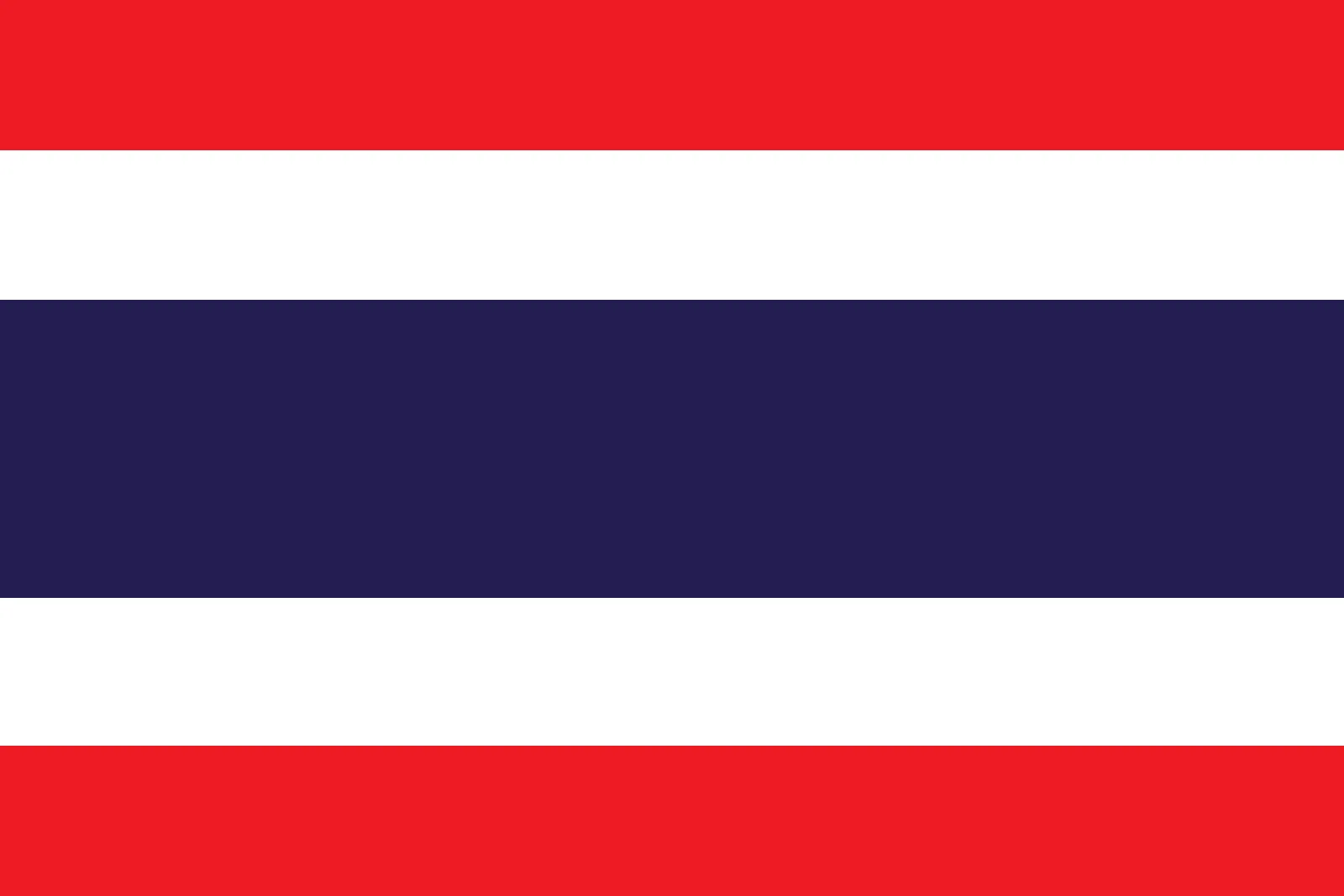
In Thailand, the definition of public good is contested. For the establishment elite, prosperity means stability and the protection of traditional hierarchy. For the rural base, it means subsidies and crop prices. For the urban youth, it means liberty and opportunity. The Thai state fails to create unified prosperity because it cannot agree on what prosperity looks like.
Conclusion
Singapore’s single-party dominance has created a **"Prosperity of Efficiency,"** marked by high income but rising anxiety over inequality and the stifling of diverse voices. Thailand’s multiparty struggle has created a **"Prosperity of Potential,"** where immense creative and economic energy exists but is perpetually dissipated by political friction.
For Thailand to replicate Singapore’s economic success, it does not necessarily need a dictator or a single party. However, it does need to find a way to insulate its economic planning from its political volatility—a feat that, as of 2025, remains elusive.
Date: 3 January 2026
The Definition of the "Public Good"
In Singapore, the PAP defines the public good through **aggregate national statistics** (GDP, reserves). If the numbers go up, the mandate is secured.
In Thailand, the definition of public good is contested. For the establishment elite, prosperity means stability and the protection of traditional hierarchy. For the rural base, it means subsidies and crop prices. For the urban youth, it means liberty and opportunity. The Thai state fails to create unified prosperity because it cannot agree on what prosperity looks like.
Conclusion
Singapore’s single-party dominance has created a **"Prosperity of Efficiency,"** marked by high income but rising anxiety over inequality and the stifling of diverse voices. Thailand’s multiparty struggle has created a **"Prosperity of Potential,"** where immense creative and economic energy exists but is perpetually dissipated by political friction.
For Thailand to replicate Singapore’s economic success, it does not necessarily need a dictator or a single party. However, it does need to find a way to insulate its economic planning from its political volatility—a feat that, as of 2025, remains elusive.
Divergent Paths to Modernity: A Comparative Analysis of Party-Led Development in Singapore and Thailand : Part 4
Date: 3 January 2026
The Definition of the "Public Good"
In Singapore, the PAP defines the public good through **aggregate national statistics** (GDP, reserves). If the numbers go up, the mandate is secured.
In Thailand, the definition of public good is contested. For the establishment elite, prosperity means stability and the protection of traditional hierarchy. For the rural base, it means subsidies and crop prices. For the urban youth, it means liberty and opportunity. The Thai state fails to create unified prosperity because it cannot agree on what prosperity looks like.
Conclusion
Singapore’s single-party dominance has created a **"Prosperity of Efficiency,"** marked by high income but rising anxiety over inequality and the stifling of diverse voices. Thailand’s multiparty struggle has created a **"Prosperity of Potential,"** where immense creative and economic energy exists but is perpetually dissipated by political friction.
For Thailand to replicate Singapore’s economic success, it does not necessarily need a dictator or a single party. However, it does need to find a way to insulate its economic planning from its political volatility—a feat that, as of 2025, remains elusive.
0 ความคิดเห็น
0 การแบ่งปัน
110 มุมมอง
0 รีวิว
 English